



الصفحة 1
الصفحة 1

Vegetables II : Fabaceae, Liliaceae, Solanaceae, and Umbelliferae
The production and consumption of vegetables has expanded dramatically in the last years, with a global growth in the production of more than 50% in the last decade and it is expected that in the coming years, vegetable crops production will continue its expansion. The vegetables seed market is very dynamic and competitive, and predominant varieties are quickly replaced by new varieties. Therefore, updated information on the state of the art of the genetic improvement of specific crops is of interest to vegetable crops breeders, researchers and scholars. During the last years an immense quantity of new knowledge on the genetic diversity of vegetables and the utilization of genetic resources, breeding methods and techniques, and on the development and utilization of modern biotechnologies in vegetables crop breeding has accumulated, and there is a need of a major reference work that synthesizes this information.

Progress in the Chemistry of Organic Natural Products 108
It summarizes current trends in research on medicinal plants in Mexico with emphasis on work carried out at the authors' laboratories. The most relevant phytochemical and pharmacological profiles of a selected group of plants used widely for treating major national health problems are described. It is also provides a detailed survey of the so far reported literature data on the capacities of selected oxyprenylated phenylpropanoids and polyketides to trigger receptors, enzymes, and other types of cellular factors for which they exhibit a high degree of affinity and therefore evoke specifice responses.It discusses aspects of endophytic actinobacterial biology and chemistry, including biosynthesis and total synthesis of secondary metabolites produced in culture. It also presents perspectives fo the future of microbial biodiscovery, with emphasis on the seondary metabolism of endophytic actinobacteria.
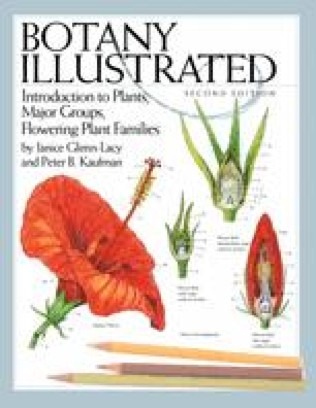
Botany Illustrated : Introduction to Plants, Major Groups, Flowering Plant Families
This easy-to-use book helps you acquire a wealth of fascinating information about plants. There are 130 pages with text, each facing 130 pages of beautiful illustrations. Each page is a separate subject. Included is a coloring guide for the realistic illustrations. The illustration pages are composed of scientifically accurate line drawings with the true sizes of the plants indicated. Using colored pencils and the authors’ instructions, you can color the various plant structures to stand out in vivid clarity. Your knowledge of plants increases rapidly as you color the illustrations.
