



الصفحة 1
الصفحة 1

Olfactory knows the truth
Olfaction, the sense of smell detects and discriminate odors as well as social cues which influence our innate responses. The olfactory system in human beings is found to be weak as compared to other animals; however, it seems to be very precise. It can detect and discriminate millions of chemical moieties (odorants) even in minuscule quantities. The sense of smell is greatly underappreciated, despite the fact that it monitors the intake of airborne agents into the human respiratory system and determine to a large degree the flavor and palatability of foods and beverage. In addition to enhancing quality of life, this primary sensory system warns of spoiled foods, leaking natural gas, polluted air and smoke, and mediates basic elements of communication (e.g., mother-infant interaction). It is now apparent that smell dysfunction is among the first clinical signs of such neurodegenerative diseases as Alzheimer’s disease and sporadic Parkinson’s disease.

Nutraceuticals in respiratory and pulmonary diseases
Explores nutraceuticals that have been found to be effective in managing and treating respiratory and pulmonary diseases. It explains nutritional supplements that function as adjuvants for respiratory health and which may be useful targets for developing innovative nutraceutical-active respiratory products. The book also discusses the role of vitamins, minerals, and functional foods in the prevention and treatment of respiratory illnesses such as asthma, bronchitis, airway constriction, chronic obstructive pulmonary disorder (COPD), etc. It also explores the potential role of various herbs and foods in the treatment of lung illnesses through the Ayurvedic practices. The effectiveness of various natural and dietary supplements as well as plant and animal-based nutritional supplements for respiratory health are also considered.

Nuclear Import and Export in Plants and Animals
Nuclear Import and Export in Plants and Animals provides insight into the remarkable mechanisms of nuclear import and export. This book covers a range of topics from the nuclear pore structure, to nuclear import and export of macromolecules in plant and animal cells. In addition, the book covers the special cases of nuclear import of Agrobacterium T-DNA during plant genetic transformation, nuclear import and export of animal viruses, and nuclear intake of foreign DNA. A chapter on research methods to study nuclear transport concludes the book.
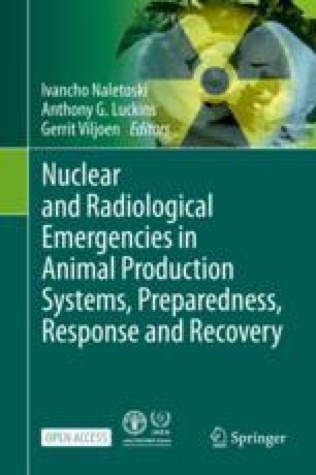
Nuclear and Radiological Emergencies in Animal Production Systems, Preparedness, Response and Recovery
This volume explains how major nuclear and radiological emergencies (NREs) can have implications at local, national and international level. The response to NREs requires a competent decision-making structure, clear communication and effective information exchange. National veterinary services have the responsibility to plan, design and manage animal production system in their countries. These activities cover animal health, animal movement control, production control and improvement, and control of the products of animal origin before their placement on the market.

Novel mouse model for future autism research
Autism spectrum disorder (ASD) is a set of neurodevelopmental disorders characterized by a deficit in social behaviors and nonverbal interactions such as reduced eye contact, facial expression, and body gestures in the first 3 years of life. It is not a single disorder, and it is broadly considered to be a multi-factorial disorder resulting from genetic and non-genetic risk factors and their interaction. Genetic studies of ASD have identified mutations that interfere with typical neurodevelopment in utero through childhood. These complexes of genes have been involved in synaptogenesis and axon motility. Recent developments in neuroimaging studies have provided many important insights into the pathological changes that occur in the brain of patients with ASD in vivo. Especially, the role of amygdala, a major component of the limbic system and the affective loop of the cortico-striatothalamo-cortical circuit, in cognition and ASD has been proved in numerous neuropathological and neuroimaging studies.
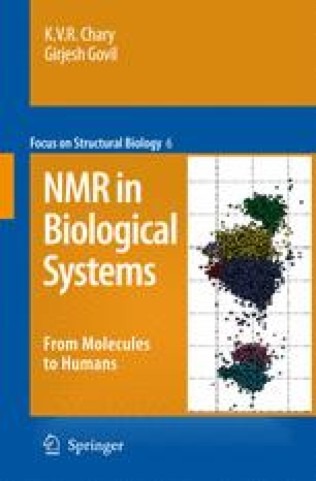
NMR in Biological Systems : From Molecules to Human
During teaching NMR to students and researchers, we felt the need for a text-book which can cover modern trends in the application of NMR to biological systems. This book caters to the needs of: (i) graduate students who mostly learn such techniques from senior post-docs in the laboratory; (ii) those who are not experts in NMR but wish to understand if a particular problem in animal, plant, medical and pharmaceutical sciences can be answered by NMR; and (iii) those who are experts in chemistry and biochemistry and wish to know how NMR can provide them information on structural or functional aspect of proteins, nucleic acids, cells and tissues, human and plant organs and other biological materials.

New Frontiers in Regenerative Medicine
Rapid advances in stem cell biology have raised exciting possibilities of replacing damaged or lost tissues and cells by activation of in vitro-expanded stem cells or their progeny. This book examines many of the unresolved problems as well as future applications of regenerative medicine. Areas of focus include the nervous system and hippocampal neurogenesis, along with the functional significance of pro-inflammatory cytokines, and the production of free radicals after brain ischemia; the digestive and integumentary systems, dealing with hepatocyte transplantation, pancreatic regeneration, and skin and hair regeneration; and the cardiovascular system, with repair and remodeling of the lung and heart, and arterial remodeling with bone marrow-derived progenitor cells. In addition to animal experiments, results of research on human tissues and organs are included.
Neutrophil : Methods and Protocols
Neutrophils, the most abundant white cells in humans, serve as the primary cellular defense against infection. This volume provides a concise set of protocols for assessing basic neutrophil functions and investigating specialized areas in neutrophil biology. Each of the protocols is written by leading researchers in the field and includes hints for success, as well as guidance for troubleshooting. Part I contains overviews of neutrophil biology, function, and disorders. Part II describes commonly used methods to isolate neutrophils from humans and other animal species. Part III details methods for investigating chemotaxis, transmigration, phagocytosis, and bactericidal activity. Part IV includes protocols that measure neutrophil apoptosis, calcium signal transduction, degranulation and detection of cytoplasmic granules, gene expression, transcription factors, and apoptosis. Part V provides multiple assays for measuring production of intracellular and/or extracellular reactive oxygen species, and a method that details use of the cell-free NADPH oxidase assay, an iconic assay for studies of the neutrophil NADPH oxidase. Part VI provides chapters that describe how to analyze formation and function of neutrophil extracellular traps.

Neuronal cell death : Methods and protocols
Covers comprehensive methods on ways to assess structural and ultrastructural changes in the mitochondria, cytoskeleton, and microglia using state-of-the-art microscopy techniques including super-resolution imaging, electron microscopy, and ultra-high field MRI. The chapters in this book cover topics such as analysis of neurodegeneration in the post-mortem characterization of preclinical animal models, in vivo modeling in cell death in different model systems and brain organoids, single cell clonal analysis using Mosaic Analysis with Double Markers in genetic mouse models, and genome and proteomic methods for analysis of mRNA dynamics and quantitation of targeted peptides.
Neuroacanthocytosis Syndromes II
Awareness of neuroacanthocytosis disorders has increased significantly in recent years. There have been a number of important developments in the field since the publication of the first volume, Neuroacanthocytosis Syndromes. This book contains the latest research in this area. Recent advances have identified the range of mutations in the causative genes, shedding light on potential phenotypegenotype correlations. Studies of the proteins affected in these disorders have resulted in increased understanding of their functions and distribution. In vitro studies have identified potential protein interactions, which have important implications for pathophysiology. Work on erythrocyte membranes suggests mechanisms for the generation of acanthocytes. Animal models are being generated which will greatly facilitate understanding the role of gene mutations in humans, and provide the foundation for possible therapeutic interventions. In addition, advances in other neurodegenerative disorders, such as Huntington’s and Parkinson’s diseases, have implications for neuroacanthocytosis.

Neoproterozoic Geobiology and Paleobiology
The Neoproterozoic Era (1000-542 million years ago) is a geological period of dramatic climatic change and important evolutionary innovations. Repeated glaciations of unusual magnitude occurred throughout this tumultuous interval, and various eukaryotic clades independently achieved multicellularity, becoming more complex, abundant, and diverse at its termination. Animals made their first debut in the Neoproterozoic too. The intricate interaction among these geological and biological events is a centrepiece of Earth system history, and has been the focus of geobiological investigations in recent decades. The purpose of this volume is to present a sample of views and visions among some of the growing numbers of Neoproterozoic workers. The contributions represent a cross section of recent insights into the field of Neoproterozoic geobiology.

Nectaries and Nectar
This book is a modern and interdisciplinary text on nectar and nectaries, prompted by the expansion of knowledge, especially in the more ecological and now molecular fields, and the strong recent interest in pollination biology.

Natural poisons and venoms: Plant toxins : Polyketides, phenylpropanoids and further compounds
Biogenic toxins are fascinating natural products characterized by an enormous diversity of chemical structures and pharmacological activities. They not only pose hazards to humans and animals, but they are important components in the interplay of substances and living beings in nature and, moreover, important sources for new drugs.

Natural poisons and venoms : Animal toxins
Biogenic toxins are fascinating natural products characterized by an enormous diversity of chemical structures and pharmacological activities. They not only pose hazards to humans and animals, but they are important components in the interplay of substances and living beings in nature and, moreover, important sources for new drugs.

Natural poisons and venom : Plant toxins : Terpenes and steroids
Biogenic toxins are fascinating natural products characterized by an enormous diversity of chemical structures and pharmacological activities. They not only pose hazards to humans and animals, but they are important components in the interplay of substances and living beings in nature and, moreover, important sources for new drugs.
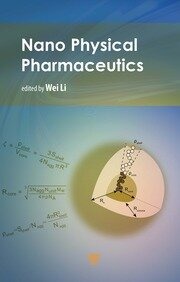
Nano physical pharmaceutics
Nanomedicine is an emerging and rapidly evolving field, which could significantly help in early disease diagnosis, therapeutic improvement, novel therapeutic modality development, and medical expenditure reduction. The challenge remains, however, that the specially designed and carefully synthesized nanomedicines function poorly in animal verification despite great performance in vitro. A deeper understanding of the physicochemical properties of nanomedicine is the key. This book applies physical theories and models to determine the parameters for controlling the physicochemical properties of nanomedicines, including micelles, liposomes, and inorganic nanoparticles. Qualitative and quantitative relationships are established to provide guidance for nanomedicine design, characterization, and analysis. The text also compiles cutting-edge research in nanomedicine from the interdisciplinary team of the Department of Nanomedicine at Naval Medical University, China, which is currently establishing the characteristic discipline called Nano Physical Pharmaceutics. Edited by Wei Li, a prominent nanotechnology researcher, this book will appeal to anyone involved in nanotechnology, medicine, macromolecular science, biology, chemistry, and especially those with an interest in drug delivery or cancer therapy.

Myosins : A Superfamily of Molecular Motors
Application of state-of-the-art cellular and molecular biological, structural biological, genetic, biochemical and biophysical techniques has provided and continues to provide critical information regarding the structure–function relationship; and the cellular roles of various myosins in organisms as diverse as protozoa, yeast, plants and higher animals. The association of myosins with diseases including neurological disorders, immu- deficiencies, cardiomyopathies, hearing and vision loss testify to the importance of understanding the biochemical properties and cellular roles of myosins. The 16 chapters in this volume summarize the tremendous progress made in studying members of the myosin superfamily in recent years and offer critical insight into what future research will yield.

Multivariate Statistical Machine Learning Methods for Genomic Prediction
This book brings together the latest genome base prediction models currently being used by statisticians, breeders and data scientists. It provides an accessible way to understand the theory behind each statistical learning tool, the required pre-processing, the basics of model building, how to train statistical learning methods, the basic R scripts needed to implement each statistical learning tool, and the output of each tool. To do so, for each tool the book provides background theory, some elements of the R statistical software for its implementation, the conceptual underpinnings, and at least two illustrative examples with data from real-world genomic selection experiments.
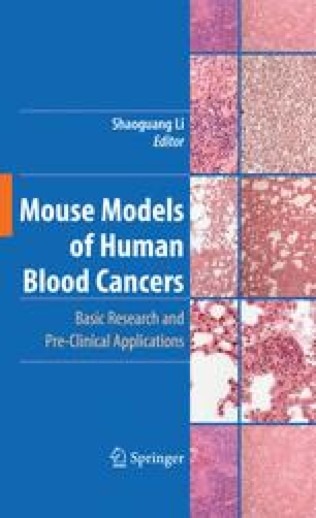
Mouse Models of Human Blood Cancers : Basic Research and Pre-clinical Applications
Although it remains an open question among some people whether mice and humans are similar in disease development, the laboratory mouse has emerged as the preeminent animal model for human diseases. This is underscored by the recently completed mouse and human genome projects, which have revealed that mice and humans share the vast majority of their genes, and thus get many of the same diseases, and for the same reasons. Emphasizing why mouse models are valuable in vivo systems for understanding disease mechanisms and developing therapeutic strategies for human blood cancers, "Mouse Models of Human Blood Cancers: Basic Research and Pre-clinical Applications," edited by Shaoguang Li, aims on presenting thorough analyses of the pathological features and the molecular bases of several major types of blood cancer and to describe translational research using mouse cancer models.

Mosquito Ecology : Field Sampling Methods
The purpose of this book is in keeping with the original vision of Professor Service to describe the methods and rationale for sampling mosquitoes, with particular emphasis on the ecology and behaviour of those species that play a role as vectors of human and animal diseases and infections. The book is designed to serve as a practical reference for field entomologists and mosquito control specialists and describes the sampling methods and available trapping technologies and tools for the collection of all life-stages of mosquitoes, from egg to adult. It also describes the techniques available for data analysis and discusses ecological principles of relevance to the study of field populations of mosquitoes. While concentrating primarily on mosquitoes, many of the techniques described are suitable for the study of other Diptera, including Ceratopogonidae, Chironomidae, Simuliidae, Phlebotominae, etc.
