



الصفحة 1
الصفحة 1

What Every Engineer Should Know About Smart Cities
It is not just a theoretical exploration of smart cities. It goes beyond that by providing an in-depth look at the key technologies that are essential to creating smart cities. From the Internet of Things and blockchain to digital twins and modeling and simulations, readers will gain a solid understanding of the foundational technologies that make smart cities possible. With detailed discussions and real-world examples of smart mobility, smart health, smart education, and smart agribusiness, readers will gain a deep understanding of the requirements and characteristics that engineers need to contribute to the development of smart cities.

The sustainability of agro-food and natural resource systems in the Mediterranean Basin
This book is focused on the challenges to implement sustainability in diverse contexts such as agribusiness, natural resource systems and new technologies. The experiences made by the researchers of the School of Agricultural, Forestry, Food and Environmental Science (SAFE) of the University of Basilicata offer a wide and multidisciplinary approach to the identification and testing of different solutions tailored to the economic, social and environmental characteristics of the region and the surrounding areas.

Medicinal plants for cosmetics : Health and diseases
Describes diseases and ailments occurring in individuals worldwide including acne, ageing, various cancers, eczema and other conditions. This book explains each disease and ailment, allowing the reader to gain a better perspective on misunderstood and underestimated assumptions accompanying the ailment or condition. Not only does this book present information on different diseases and ailments, it presents a variety of plants and plant-based compounds demonstrating potential health benefits.
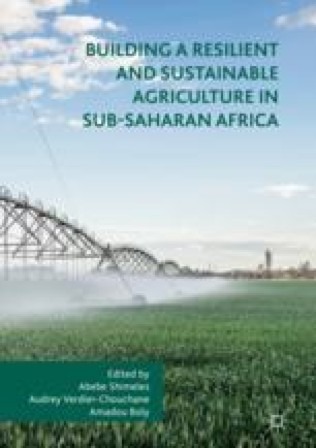
Building a Resilient and Sustainable Agriculture in Sub-Saharan Africa
What are the challenges and action points for agricultural sustainability in Sub-Saharan Africa? This collection of papers offers technical analyses, policy recommendations and an overview of success stories to date. Each carefully selected paper provides valuable insights for improved policy making and defines relevant strategic priorities on Africa’s sustainable transformation process, which is in line with the international development agenda. Although agriculture remains the main source of income for Africa’s population, the sector is rain-fed subjecting it to the vagaries of weather and climate change. This volume demonstrates the rationale of developing a competitive, inclusive and sustainable agribusiness sector for Africa’s food security and structural transformation.
