



الصفحة 1
الصفحة 1

Multigenic and Induced Systemic Resistance in Plants
This comprehensive volume consists of a series of up-to-date reviews, each incorporating current models and knowledge related to mechanisms of resistance either expressed constitutively or induced systemically in plants. Each chapter covers a topic related to the phenomenon of plant resistance to fungal and bacterial pathogens, insects, nematodes, viruses or abiotic stress in plants, as well as the application of this knowledge to protect crops now and in the future. Researchers, upper-level undergraduate and graduate students, and those teaching courses in plant physiology, entomology and plant pathology will find this volume a much needed asset.

Ethylene Action in Plants
The plant hormone ethylene plays a prominent role among several intrinsic and extrinsic factors that control growth and physiology of plants. Its biological activity was discovered over a century ago. However, extensive studies on its mode of action came later. To date, it is well documented that ethylene is a versatile signaling molecule that plays an important role in many physiological processes - like growth, senescence, fruit ripening, stress responses, symbioses, and photosynthesis. Molecular-genetic analyses have revealed mechanisms responsible for ethylene production, perception, and signal transduction. The present work brings into focus the recent developments on the biochemical, physiological, and molecular basis for ethylene action in plants.
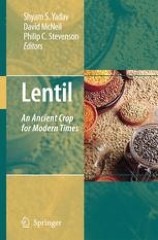
Lentil : An ancient crop for modern times
Presents the most comprehensive and up to date review of research on lentil production systems, biotic and abiotic stresses management, quality seed production, storage techniques and lentil growing around the world. This book will be of great value to legume breeders, scientists, nutritionists, academic

Advances in wheat genetics : From genome to field : Proceedings of the 12th International wheat genetics symposium
Provides a comprehensive review of the forefront of wheat research, across various important topics such as germplasm and genetic diversity, cytogenetics and allopolyploid evolution, genome sequencing, structural and functional genomics, gene function and molecular biology, biotic stress, abiotic stress, grain quality, and classical and molecular breeding. Following an introduction, 9 parts of the book are dedicated to each of these topics. A final, 11th part entitled “Toward Sustainable Wheat Production” contains 7 excellent papers that were presented in the 12th IWGS Special Session supported by the OECD.

Advances in Plant Ethylene Research ; Proceedings of the 7th International Symposium on the Plant Hormone Ethylene
The rapid advances in elucidating the biosynthesis and mode of action of the plant hormone ethylene as well as its involvement in the regulation of the whole plant physiology made imperative the organization of a series of dedicated conferences. This volume contains the main lectures and poster contributions presented at the 7th International Symposium on the Plant Hormone Ethylene held in Pisa in 2006. The book is organized in seven sections dedicated to 1) Ethylene biosynthesis, perception and signal transduction, 2) Interactions between ethylene and other hormones, 3) Role of ethylene in plant growth and differentiation, 4) Fruit development, ripening and quality, 5) Abscission and senescence, 6) Ethylene involvement in biotic and abiotic stresses, and 7) Biotechnology and applied aspects.
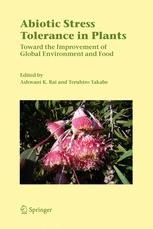
Abiotic Stress Tolerance in Plants : Toward the Improvement of Global Environment and Food
Stresses in plants caused by salt, drought, temperature, oxygen, and toxic compounds are the principal reason for reduction in crop yield. For example, high salinity in soils accounts for large decline in the yield of a wide variety of crops world over; ~1000 million ha of land is affected by soil salinity. Increased sunlight leads to the generation of reactive oxygen species, which damage the plant cells. The threat of global environment change makes it increasingly demanding to generate crop plants that could withstand such harsh conditions. Much progress has been made in the identification and characterization of the mechanisms that allow plants to tolerate abiotic stresses.
