



الصفحة 1
الصفحة 1

High-quality outdoor learning : Evidence-based education Outside the classroom for children, teachers and society
Reviews evidence and case studies on the effects of outdoor learning on teachers and learners. It shows how real-world learning outside the classroom contributes to unlocking the full potential of learners, demonstrating its benefits for academic learning, social competencies, personal and emotional development, psychological well-being, and physical activity and health. In addition, the book highlights how outdoor learning nurtures environmental awareness and helps learners to tackle current sustainability challenges. Its focus on high-quality learning makes it a unique contribution to the implementation of SDG 4. Aimed at lecturers at teacher training universities, teachers, professional educators, coaches, and multipliers who train staff of educational NGOs, as well as decision makers on all levels of education systems, this book is of interest to all those who seek a more in-depth understanding of the future of education.

Conceptualizing Environmental Citizenship for 21st Century Education
This book is about the development of a common understanding of environmental citizenship. It conceptualizes and frames environmental citizenship taking an educational perspective. Organized in four complementary parts, the book first explains the political, economic and societal dimensions of the concept.
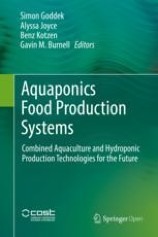
Aquaponics Food Production Systems : Combined Aquaculture and Hydroponic Production Technologies for the Future
This book, written by world experts in aquaponics and related technologies, provides the authoritative and comprehensive overview of the key aquaculture and hydroponic and other integrated systems, socio-economic and environmental aspects. Aquaponic systems, which combine aquaculture and vegetable food production offer alternative technology solutions for a world that is increasingly under stress through population growth, urbanisation, water shortages, land and soil degradation, environmental pollution, world hunger and climate change.
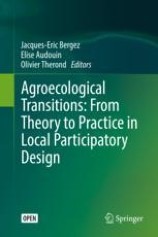
Agroecological transitions : From theory to practice in local participatory design
There is wide agreement on the need to change the prevalent agricultural models, given their negative impacts and their incompatibility with current societal issues. Agroecological transition has been promoted as a potential solution to the ecological, social and economic problems generated by these models. It however involves a systemic, multi-scale and transdisciplinary process. Due to this complexity, the overall picture of what farms and food systems “actually are” and “might be” may not be apparent at the individual level. Yet individuals’ knowledge and values provide complementary insights on how to proceed in deepening ecological modernisation. Expertise can also provide landmarks to be considered in that process. Because local stakeholders’ experience and skills are key resources in the adaptation and adoption of agroecological transition, new conceptual and methodological frameworks and tools have to be developed to support them in the design process of such a complex transition. This book presents feedback from the ‘Territorial Agroecological Transition in Action’- TATA-BOX research project, which was devoted to these specific issues.
