



الصفحة 1
الصفحة 1

The Thermodynamic Machinery of Life
Living organisms are open thermodynamic systems whose functional structure has developed and been kinetically frozen during the historical process of biological evolution. A thermodynamics of both nonequilibrium and complex systems is needed for their description. In this book, the foundations of such a thermodynamics are presented. Biological processes at the cellular level are considered as coupled chemical reactions and transport processes across internal and the cytoplasmic membrane. All these processes are catalyzed by specific enzymes hence the kinetics of enzymatic catalysis and its control are described here in detail. The coupling of several processes through a common enzyme is considered in the context of free energy or signal transduction. Special attention is paid to evidence for a rich stochastic internal dynamics of native proteins and its possible role in the control of enzyme activity and in the action of biological molecular machines.

The Fish Oocyte : from basic studies to biotechnological applications
Addresses the growing needs in deciphering the biological processes associated with fish reproduction, in view of the growth of aquaculture and the dwindling natural stocks of commercially important fish. It presents a comprehensive overview on egg production in fish, from the standpoint of the oocyte. With this view in mind, the book includes chapters on oocyte development (oogenesis), hormonal regulation and hormone receptors, formation of the egg envelopes, growth, accumulation of nutrients and maternal transcripts, maturation, hydration, ovulation and fertilization. A special emphasis is placed on using state-of-the-art tools including electron microscopy for discerning the ultra-structure of the follicle and genomic/proteomic tools to fully understand biological basis of fish reproduction.

Systems Biology : International Research and Development
Systems biology is defined for the purpose of this study as the understanding of biological network behaviors, and in particular their dynamic aspects, which requires the utilization of mathematical modeling tightly linked to experiment. This involves a variety of approaches, such as the identification and validation of networks, the creation of appropriate datasets, the development of tools for data acquisition and software development, and the use of modeling and simulation software in close linkage with experiment. All of these are discussed in this volume. Of course, the definition becomes ambiguous at the margins, but at the core is the focus on networks, which makes it clear that the goal is to understand the operation of the systems, rather than the component parts.

Soil Biological Fertility : A Key to Sustainable Land Use in Agriculture
This book presents a comprehensive scientific overview of the components and processes that underpin the biological characteristics of soil fertility. It demonstrates the interdependence of soil biological fertility with physical and chemical characteristics of soil. The book highlights the enormous diversity of life in soil and the resulting effects that management of land can have on the contribution of this diverse community to soil fertility in an agricultural context. It is becoming more relevant to explore soil biological processes in terms of their contribution to soil fertility.

Selected Topics in Dynamics and Control of Chemical and Biological Processes
In view of the rapid changes in requirements, it has became necessary to place at the reader's disposal a book dealing with basic and advanced concepts and techniques for the monitoring and control of chemical and biochemical processes, as well as with the aspects of the implementation of these different robust techniques. To make the ideas covered in this book accessible to a larger audience, the authors attempted to present a balanced view of the theoretical and practical issues of control systems. Different cases are presented to illustrate the controller and observer design procedures and their dynamic effects in the closed-loop. The book consists of peer-reviewed contributions and aims the integration of recent research by a group of colleagues working on theory and practice of the process control. In order to embrace as chemical as control engineering themes, authors have proposed different kind of processes and distinct control scopes. This book is an effort to incorporate and link both theory-practice and chemical-control engineering.

RNA-seq in drug discovery and development
The research and development process in modern drug discovery and development is a complex and challenging task. Using traditional biological test methods such as PCR to measure the expression levels or function of these genes is costly and time-consuming. RNA-seq can measure the expression patterns of thousands of genes simultaneously and provide insights into functional pathways or regulations in biological processes, which has revolutionized the way biological scientists examine gene functions.

Oxidants in Biology : A Question of Balance
Oxidants, like other aspects of life, involves tradeoffs. Oxidants, whether intentionally produced or by-products of normal metabolism can either mediate a variety of critical biological processes but when present inappropriately cause extensive damage to biological molecules (DNA, proteins, and lipids). These effects can lead to either damage that is a major contributor to aging and degenerative diseases (or to other diseases such as cancer, cardiovascular disease, immune-system decline, brain dysfunction, and cataracts) or normal physiological function- tissue repair, defense against pathogens and cellular proliferation. On the other hand the body is equipped with a complex antioxidant/oxidant handling system which includes both enzymatic and nonenzymatic (i.e. small molecules such as flavonoids, ascorbate, tocopherol, and carotenoids) produced endogenously or derived from the diet. This book focuses on how the same molecules can have favorable or noxious effects depending on location, level and timing. Each chapter focuses on one particular molecule or oxidant/antioxidant system and provides a state of the art review of the current understanding regarding both positive and negative actions of the system under review.

Oral wound healing : Cell biology and clinical management
Brings experts from around the world together to provide an authoritative reference on the processes, principles and clinical management of wound healing in the oral mucosa. Promoting a thorough understanding of current research on the topic, this new resource draws together thinking on the basic biological processes of wound healing in the oral environment, as well as providing more detailed information and discussion on processes such as inflammation, reepithelialization and angiogenesis.

Nutrition and diet in health: Principles and applications
Food provides us with essential nutrients involved in many physiological activities and biological processes in the body including growth and development, metabolism, immune function, and overall well-being. Nutrition and Diet in Health: Principles and Applications reviews and discusses the issues related to the roles of nutrition and diets in human health and diseases. The book contains two sections - one section features principles, the other, covers applications. Part One provides information on sustainable use of nutrition and diets in health and diseases; advanced biotechnological approaches to improve nutritional content of food; trace elements in nutrition; drug and nutrient interactions; functional foods and nutraceuticals in health maintenance; and Bio markers of functional foods and nutraceuticals in health maintenance. Part Two discusses the significance of nutrition in selected human diseases, including cardiovascular diseases, cancer, infection, neurodegenerative diseases, and metabolic co-morbidities. It also discusses optimal nutrition for wellness, fitness, pregnancy, mental health, aging, and longevity.

Numerical Techniques for Chemical and Biological Engineers Using MATLAB® : A Simple Bifurcation Approach
This book addresses the bifurcation characteristics of chemical and biological processes as the general case and treats systems with a unique steady state as special cases. It uses a system approach which is the most efficient for knowledge organization and transfer. The book develops mathematical models for many commercial processes utilizing the mass-, momentum-, and heat-balance equations coupled to the rates of the processes that take place within the boundaries of the system. The models are solved numerically through MATLAB codes with emphasis on the design and optimization of the chemical and biological industrial equipment and plants.

Modern avenues in metal-nucleic acid chemistry
Provides a timely overview of selected relevant developments in a field which previously had a pronounced focus on fundamental chemistry aspects such as coordination principles, structural chemistry, and consequences for biological processes and disease-related medicinal issues. More recently, also as a consequence of the advent of supramolecular chemistry, advancements in nanochemistry, and new bio-analytical methods, novel aspects of this field have emerged. MILS-25 gives a state-of-the-art account on the present state of research in this field, addressing, among others, porous materials, non-covalent interactions, stimuli-responsive bioconjugates, DNA-templated metal arrays and nanoclusters, genotyping, guanine quadruplexes, and riboswitches.

Modeling in Biopharmaceutics, Pharmacokinetics and Pharmacodynamics : Homogeneous and Heterogeneous Approaches
The state of the art in Biopharmaceutics, Pharmacokinetics, and Pharmacodynamics Modeling is presented in this book. It shows how advanced physical and mathematical methods can expand classical models in order to cover heterogeneous drug-biological processes and therapeutic effects in the body. The book is divided into four parts; the first deals with the fundamental principles of fractals, diffusion and nonlinear dynamics; the second with drug dissolution, release, and absorption; the third with empirical, compartmental, and stochastic pharmacokinetic models, and the fourth mainly with nonclassical aspects of pharmacodynamics. The classical models that have relevance and application to these sciences are also considered throughout. Many examples are used to illustrate the intrinsic complexity of drug administration related phenomena in the human, justifying the use of advanced modeling methods.
Ion Channels
Ion channels play a vital role in basic physiological functions such as generation of electrical activity in nerves and muscle, control of cardiac excitability, intracellular signaling, hormone secretion, cell proliferation and many other biological processes. Because of their prevalence and the critical role they play in virtually all tissue types and organs, ion channels are also involved in a number of pathophysiological conditions. The aim of this volume is to review recent advances in the field of ion channel related diseases. Following an overview chapter summarizing the current state of ion channel screening technologies, five topics covering areas such as cancer, cardiac arrhythmias, cystic fibrosis, and pain have been selected, and the current state of knowledge is presented by leading experts in their field.

Intramembrane-Cleaving Proteases (I-CLiPs)
The aim of this book is to provide an update on this emerging group of unusual but important proteases for both the specialist and those with a broader interest in proteases. Amongst the target audience will be protease researchers, enzymologists, those working in academia and the pharmaceutical industry on biological processes and diseases involving I-CLiPs.
Fluid Transport in Nanoporous Materials : Proceedings of the NATO Advanced Study Institute, held in La Colle sur Loup, France, 16-28 June 2003
The most promising include molecular sieves which are being developed as inorganic or polymeric systems with 0. 3-30nm in pore dimensions. These nanoporous solids have a broad spectrum of applications in chemical and biochemical processes. The unique applications of molecular sieves are based on their sorption and transport selectivity. Yet, the transport processes in nanoporous systems are not understood well. At the same time, the theoretical capabilities have increased exponentially catalyzed by increases in computational capabilities. The interactions between a diffusing species and the host solid are being studied with increasing details and realism. Further, in situ experimental techniques have been developed which give an understanding of the interactions between diffusing species and nanoporous solids that was not available even a few years ago. The time was ripe to bring together these areas of common interest and study to understand what is known and what has yet to be determined concerning transport in nanoporous solids. Molecular sieves are playing an increasing role in a broad range of industrial petrochemical and biological processes. These include shape-selective separations and catalysis as well as sensors and drug delivery. Molecular sieves are made from inorganic as well as organic solids, e. g. , polymers. They can be employed in packed beds, as membranes and as barrier materials. Initially, the applications of molecular sieves were dominated by the use of zeolites.

Drug residues in animal products
The use of veterinary drugs in food-producing animals has the potential to generate residues in animal derived products (meat, milk, eggs and honey) and poses a health hazard to the consumer. There are many factors influencing the occurrence of residues in animal products such as drug's properties and their pharmacokinetic characteristics, physicochemical or biological processes of animals and their products. The most likely reason for drug residues might be due to improper drug usage and failure to keep the withdrawal period...

Computational methods in systems biology ; 18th International Conference, CMSB 2020, Konstanz, Germany, September 23–25, 2020, Proceedings
This book constitutes the refereed proceedings of the 18th International Conference on Computational Methods in Systems Biology, CMSB 2020, held in Konstanz, Germany, in September 2020.* The 17 full papers and 5 tool papers were carefully reviewed and selected from 30 submissions. In addition 3 abstracts of invited talks and 2 tutorials have been included in this volume. Topics of interest include formalisms for modeling biological processes; models and their biological applications; frameworks for model verification, validation, analysis, and simulation of biological systems; high-performance computational systems biology and parallel implementations; model inference from experimental data; model integration from biological databases; multi-scale modeling and analysis methods; computational approaches for synthetic biology; and case studies in systems and synthetic biology.
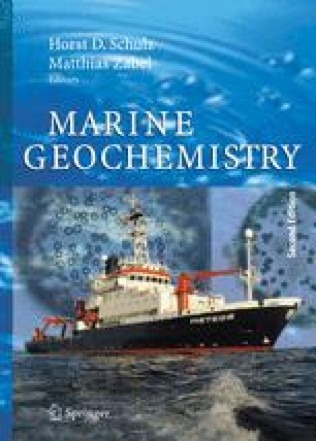
Marine Geochemistry
Since 1980 a considerable amount of scientific research dealing with geochemical processes in marine sediments has been carried out. This textbook summarizes the state of the art in this field of research. The topics comprise the examination of sedimentological and physical properties of the sedimentary solid phase, of pore water and pore water constituents, organic matter as the driving force of most microbiological processes, biotic and abiotic redox reactions, carbonates and stable isotopes as proxies for paleoclimate reconstruction, metal enrichments in ferromanganese nodules and crusts as well as in hot vents and cold seeps on the seafloor. A new chapter describes properties, occurrence and formation of gas hydrates in marine sediments. The textbook ends with a chapter on model conceptions and computer models to quantify processes of early diagenesis.
Complex Systems Science in Biomedicine
Complex Systems Science in Biomedicine covers the emerging field of systems science involving the application of physics, mathematics, engineering and computational methods and techniques to the study of biomedicine including nonlinear dynamics at the molecular, cellular, multi-cellular tissue, and organismic level. With all chapters helmed by leading scientists in the field, Complex Systems Science in Biomedicine's goal is to offer its audience a timely compendium of the ongoing research directed to the understanding of biological processes as whole systems instead of as isolated component parts.
Chemokines and Viral Infection
This edition of Current Topics in Microbiology and Immunology examines the role of chemokines and chemokine receptors in host defense and disease development following viral infection. Chemokines represent a family of over 40 small proteins that, for the most part, are secreted into the environment and function by binding to G protein-coupled receptors (GPCRs) that are expressed on numerous different cell types. When initially identified close to 30 years ago, these molecules were associated with various human inflammatory diseases and it was recognized that expression may be integral in leukocyte recruitment to inflamed tissue. There are now four sub-families of chemokines identified based on defined structural criteria relating to the positional location of conserved cysteine residues within the amino-terminus of the protein. Chemokines are now recognized as important in numerous biological processes ranging from maintaining the organizational integrity of secondary lymphoid tissue to participating in various aspects of both innate and adaptive immune responses following microbial infection. With this in mind, this book highlights the functional roles of chemokines and their receptors in participating in various aspects of the immune response against well-known viral pathogens.
