



الصفحة 7
الصفحة 7

Infection Control in the Intensive Care Unit
Infection Control in the Intensive Care Unit has been entirely rewritten in this second edition. All statements are justified by the best available evidence, avoiding unsubstantiated expert opinion. The book contains a new section dedicated to the microbiology of the critically ill, specifically, how to process and interpret surveillance cultures to distinguish the ‘normal’ from the ‘abnormal’ carrier state. There are five totally new chapters dealing with evidence-based infection control molecular techniques for outbreak analysis; clinical virology in neonatal, paediatric and adult intensive care; the six basic principles of the therapy of an infection; and the role of the pharmacist in infection control. Attention is given to special topics such as nutrition, gut mucosal protection and the control of antimicrobial resistance. The addition of enteral to parenteral antimicrobials contributes to the control of multi-resistant micro-organisms. This completely revised second edition is a ‘must have’ for anyone requiring in depth knowledge in the ever expanding field of infection control.

Indian Agriculture Towards 2030 : Pathways for Enhancing Farmers’ Income, Nutritional Security and Sustainable Food and Farm Systems
The book comprises of ten contributions. Apart from the overview chapter on transformational change and the concluding chapter on pathways for 2030, there are eight thematic chapters on topics such as transforming Indian agriculture, dietary diversity for nutritive and safe food; climate crisis and risk management; water in agriculture; pests, pandemics, preparedness and biosecurity natural farming; agroecology and biodiverse futures; science, technology and innovation in agriculture; and structural reforms and governance.
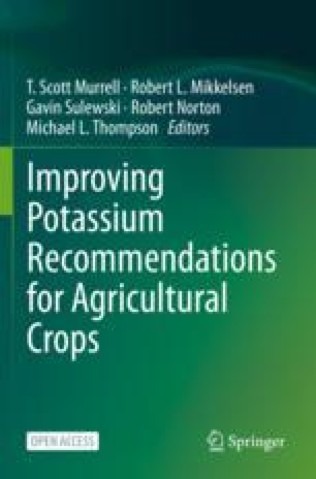
Improving Potassium Recommendations for Agricultural Crops
This book highlights concepts discussed at two international conferences that brought together world-renowned scientists to advance the science of potassium (K) recommendations for crops.

Implementing the mediterranean diet : Nutrition in practice and public health
Situates this ‘gold standard’ of diets within the wider food environment by bridging the gap between the evidence-based health benefits of the Mediterranean diet and its implementation. The text explores the many approaches that can be used by health professionals to help consumers adopt this healthy eating pattern, as well as the barriers encountered with implementing this diet at home and in the wider environment. It also considers sustainable food and farming practices, and national food strategies. A one-stop resource for food and health professionals, this seminal text demonstrates the full range of benefits that the Mediterranean diet can bring to society.

Human nutrition : University of Hawai‘i at Mānoa food science and human nutrition Program
A nutrition resource that reflects the diverse dietary patterns of people in Hawai‘i and the greater Pacific. Using the ‘ōlelo no‘eau, or Hawaiian proverb, stated above, we believe that the prin-ciples of nutrition should be taught through the context of our communities and environ-ments.
Human microbiome : Clinical implications and therapeutic interventions
The human microbiome refers to the complete microorganisms inhabiting the human body sites including skin, ear, nose, oral cavity, the genital, gastrointestinal and respiratory tracts, and body fluids such as breast milk, saliva, and urine. It is a significant and essential organ recognized for the body and has an established involvement in the host wellbeing, in terms of nutritional requirements and immunomodulation. Talks about how alteration and imbalance in the same can have clinical implications associated with a multitude of gastrointestinal, lifestyle-associated, and neurodegenerative disorders. How the proliferation of specific groups of bacteria and their metabolic activities, as a result of intestinal dysbiosis leads to the 'leaky gut' condition thereby influences brain activity via the bidirectional gut-brain axis. It also coves the importance of microbial seeding and how it can be influenced by the mode of delivery, nutrition, and medication. This book also provides various therapeutic interventions such as the establishment of stool banks and Faecal microbiota transplantation (FMT) that have recently proved promising in the treatment of ASD, Inflammatory Bowel Disease, and Ulcerative Colitis. This book provides a deeper understanding of the development of the human gut microbiome and the factors driving its dysbiosis. This book is a valuable read for health professionals, medical students, nutritionists, and scientific research communities who are eager to update themselves with recent trends in microbiome research. It will also aid gastroenterologists and nutritionists to make well-informed choices regarding therapeutic regimes.

Human battle against obesity
Obesity is one of the most common preventable diseases and it is a medical condition in which excess fat has accumulated in the body, mostly in the subcutaneous tissues. Clinical obesity is considered to be present when a person has a body mass index of 30 or over. Obesity results from a chronic positive energy balance regulated by a complex interaction between endocrine tissues and the central nervous system, This activity reviews the pathophysiology of obesity, inflammatory markers secreted by excessive fat deposition in adipose tissue, and their effects on chronic diseases such as hypertension, diabetes, and dyslipidemia.

Honey and olive oil in diabetic foot therapy
At the beginning of the 21st Century diabetic foot is Observed, although eminently preventable, represent one of the commonest causes of hospital inpatient in Western countries. Diabetic foot is a pathological condition that might affect the feet in patients with diabetes. Foot ulcers are defined as lesions involving a skin break with loss of epithelium: they can extend into the dermis and deeper layers sometimes involving bone and muscle...
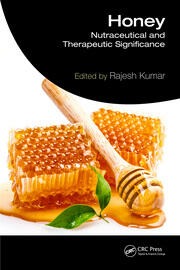
Honey : Nutraceutical and therapeutic significance
Contains comprehensive information on honey with regard to its cosmeceutical, nutritional, and pharmacological significance. And providing enormous knowledge about the nutraceutical and the role of different therapeutic strategies across the globe. Each chapter has the latest references and citations so that readers may get the latest knowledge in the field.

Herbals as nutraceuticals : Their role in healthcare
Herbal nutraceuticals demonstrate a variety of therapeutic benefits and have been found to prevent, treat, and even cure a range of diseases. This new book provides insight into nutraceuticals and their function in human health, highlighting their antimicrobial and immune-inflammatory properties. It describes the nutraceutical properties of various medicinal herbs and details the role of nutraceuticals in treating diseases such as Alzheimer's, Parkinson's, obesity, diabetes, cancer, cardiovascular diseases, skincare issues, and more.

Health of People, Health of Planet and Our Responsibility : Climate Change, Air Pollution and Health
This book not only describes the challenges of climate disruption, but also presents solutions. The challenges described include air pollution, climate change, extreme weather, and related health impacts that range from heat stress, vector-borne diseases, food and water insecurity and chronic diseases to malnutrition and mental well-being.

Handbook of nutrition and pregnancy
This book discusses relevant topics in the scientific community such as determining to what extent prenatal and perinatal environmental factors are linked to childhood and adult obesity and chronic diseases. This book also examines issues that are common to both the developed and the developing worlds and includes chapters that are specific to nutritional and reproductive factors seen mainly in developing countries. These chapters discuss contemporary issues that impact both the woman and the developing infant. Also covered in several chapters is a review of nutritional as well as physiological factors that either increase or decrease the potential for high risk pregnancies such as gestational diabetes mellitus, Type I and Type II diabetes mellitus, preeclampsia, anemia, and so forth.

Handbook of nutrition and ophthalmology
The Handbook of Nutrition in Ophthalmology is the first general text on nutrition and eye health created for physicians, nutritionists, and researchers. Dr. Richard D. Semba provides important links between the epidemic of obesity and implications it has for eye disease and blindness. The volume addresses three broad themes throughout. The first is that a healthy diet as a major lifelong habit will likely have an impact on reducing a substantial portion of visual impairment and blindness. The second is that a historical perspective is essential to understanding current challenges in ophthalmology, medicine, and public health. The third theme is that many nutrients play a role in oxidative stress and inflammation, and this theory has emerged as a major underlying hypothesis in the pathogenesis of eye diseases.

Handbook of nutraceuticals and natural products : Biological, medicinal, and nutritional properties and applications ; 2 Volume set
Describes the preparation techniques and functional uses of nutraceuticals and natural products with a focus on the technologies involved. The book includes coverage of the biological, medicinal, and nutritional properties and applications of functional foods, as well as the advanced technologies used in the extraction and functionalization of nano components and the nanomaterial and nanochemical aspects of the products.

Handbook of Life Course Health Development
Synthesizes and analyzes the growing knowledge base on life course health development (LCHD) from the prenatal period through emerging adulthood, with implications for clinical practice and public health. It presents LCHD as an innovative field with a sound theoretical framework for understanding wellness and disease from a lifespan perspective, replacing previous medical, biopsychosocial, and early genomic models of health. Interdisciplinary chapters discuss major health concerns (diabetes, obesity), important less-studied conditions (hearing, kidney health), and large-scale issues (nutrition, adversity) from a lifespan viewpoint. In addition, chapters address methodological approaches and challenges by analyzing existing measures, studies, and surveys. The book concludes with the editors’ research agenda that proposes priorities for future LCHD research and its application to health care practice and health policy.

Genes on the Menu : Facts for Knowledge-Based Decisions
Only little more than a decade ago the term "genetic engineering" was hardly known outside research laboratories. Today it regularly makes headlines in the news. Supporters and opponents as well tell us that it could change our lives more than any other technological advance. This book delivers the state-of-the-art facts in order to empower the public to make knowledge-based decisions about plant biotechnology and GM crops and GM food, in particular. It discusses the hot topics of the present debate in a neutral manner and will function as a personal reference book for the interested public, for decision maker, and managers of consumer organisations.

Fundamentals of drug and non-drug interactions : physiopathological perspectives and clinical approaches
Covers nutrients, active principles from phytotherapy/herbal products, and drug classes while identifying potential interactions. Didactic approaches to drug and non-drug interactions and cutting-edge reports are included in each chapter that promotes safer drug prescription and use. The physiopathological overview in this book provides background for chemistry, pharmacology, and mechanistic bases of drug and non-drug interaction as well as clinical cases and predictive screenings.

Food lens = فود لينس
Food lens is an innovative application designed to revolutionize dietary management by leveraging advanced image recognition and nutritional analysis. The primary objective of this senior project is to develop a user-friendly tool that identifies various foods through a camera interface and provides detailed nutritional information. This application not only enhances the user's understanding of their dietary intake but also assists in achieving personalized health and fitness goals. The core functionality of Food Lens involves the integration of a robust image recognition system capable of accurately identifying a wide range of foods. Upon identification, the application retrieves comprehensive nutritional data, including calorie content, macronutrient distribution (proteins, fats, carbohydrates), and essential micronutrients (vitamins and minerals). This data is then seamlessly integrated into the user's dietary profile. Food Lens is designed to track the user's daily caloric intake and compare it against personalized recommendations based on age, gender, weight, height, and activity level. By maintaining a dynamic record of consumed foods, the application provides real-time feedback on the user’s nutritional progress. This feature is particularly beneficial for individuals aiming to manage weight, address dietary restrictions, or improve overall health.

Food irradiation
Treatment of food by specific ionizing radiations to improve microbiological safety and storability is one of the most extensively studied technology of the XXth century. However, much of the research has been carried out in laboratories and it is still relatively underutilized commercially. Its application potential is very diverse, from inhibition of sprouting of tubers and bulbs to production of commercially sterile food products. The safety of consumption and wholesomeness of irradiated food have been extensively studied in international cooperations. Numerous international expert groups set up jointly by the FAO, the IAEA and the WHO, or the Scientific Committee on Food of the European Commission concluded that foods irradiated with appropriate technologies are both safe and nutritionally adequate. A Codex General Standard for Irradiated Foods and a Recommended International Code of Practice for Radiation Processing of Food have been developed.
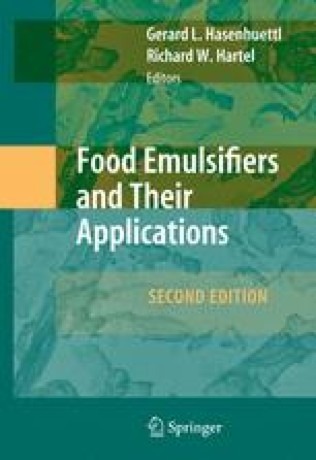
Food Emulsifiers and Their Applications
Thoroughly revised and updated, the second edition of Food Emulsifiers and their Applications integrates theoretical background with practical orientation and serves as the definitive reference on subject. It offers practitioners an overview of the manufacture, analysis, physical properties, interactions and applications of emulsifiers used in processed food. Written for food technologists as well as R & D and product development personnel, begins with the design and preparation of emulsifiers (including interactions with other food ingredients), which leads in to product categories, including dairy, infant nutrition, bakery, confectionery, and margarine, followed by nutrition improvement and processing techniques.
