



الصفحة 7
الصفحة 7

Nanocarrier Technologies : Frontiers of Nanotherapy
Nanobiotechnology is one of the key technologies of the 21st century. It is a combination of nanoscience and biotechnology and covers areas ranging from gene transfer and nanoencapsulation to food technology. Nanocarriers are a leading nanobiotechnology tool with the ability to provide protection, site-specific delivery, enhanced bioavailability and controlled release of pharmaceuticals, genetic material, imaging agents, nutraceuticals and cosmetics to name a few. For this reason, the study of nanocarriers, their properties and applications has attracted a great deal of interest over recent years. Designed as an advanced survey of the field, this book describes the key research parameters of nanocarrier technologies including their preparation methods, evaluation of their safety and efficiency, their interaction with biologicals and their application in biotechnology, drug delivery, gene therapy and food technology areas.

NanoBiotechnology : BioInspired Devices and Materials of the Future
NanoBioTechnology: BioInspired Devices and Materials of the Future is a groundbreaking text that will assist scientists and students in learning the fundamentals and cutting-edge nature of this new and emerging science. Focusing on materials and building blocks for nanotechnology, leading scientists from around the world share their knowledge and expertise in this authoritative volume. The volume is broken into five sections. The first section presents an overview of nanotechnology and describes the many aspects of the field. Section 2 details biological materials serving as nanotemplates for bottom-up fabrication. Section 3 covers the use of biological macromolecules for electron transfer and computation. Section 4 presents a brief overview of the extensive and rapidly growing field of nanomedicine. Finally, Section 5 details de-novo designed structures and the various approaches different scientific groups take with molecular level training and language
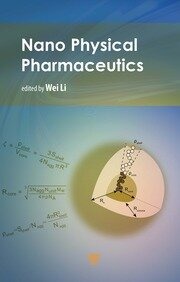
Nano physical pharmaceutics
Nanomedicine is an emerging and rapidly evolving field, which could significantly help in early disease diagnosis, therapeutic improvement, novel therapeutic modality development, and medical expenditure reduction. The challenge remains, however, that the specially designed and carefully synthesized nanomedicines function poorly in animal verification despite great performance in vitro. A deeper understanding of the physicochemical properties of nanomedicine is the key. This book applies physical theories and models to determine the parameters for controlling the physicochemical properties of nanomedicines, including micelles, liposomes, and inorganic nanoparticles. Qualitative and quantitative relationships are established to provide guidance for nanomedicine design, characterization, and analysis. The text also compiles cutting-edge research in nanomedicine from the interdisciplinary team of the Department of Nanomedicine at Naval Medical University, China, which is currently establishing the characteristic discipline called Nano Physical Pharmaceutics. Edited by Wei Li, a prominent nanotechnology researcher, this book will appeal to anyone involved in nanotechnology, medicine, macromolecular science, biology, chemistry, and especially those with an interest in drug delivery or cancer therapy.

Nano- and Micromaterials
The future focus of nanotechnology will be on realizing new functions over greater scales. This book describes the creation of nano- and microscale structures and functions by controlling temperature, light, pressure, or carrier injections. It covers novel nano-integration technologies such as quantum-well devices possilbe by utilizing, for example, the self-organization of surface nanostructures and optically or pressure-induced phase transitions, micro machines using microstereolithography, as well as new techniques of laser spectroscopy and new computational methods for estimating atomic and electronic structures and their functions on the nano- and microscales.

N4-Macrocyclic Metal Complexes
The study of nanoparticles is anchored in Colloid Science. Colloid Science as we consider it today was nucleated by Wolfgang Ostwald and initiated by his biological studies. The strong connection between biology and Colloid Science lost attractiveness in the last decades. The revival of this interdisciplinary science is now noted and we hope that a signal will start from the Potsdam conference. "This is an excellent and detailed book of 14 chapters that is timely in its reviews of the electrochemical and electrocatalytic properties of the porphyrinoids and is written by a range of experts in the different fields covered.

Myths of Social Media : Dismiss the Misconceptions and Use Social Media Effectively in Business
The use of social media as a business tool is dominated by falsehoods, fictions and fabrications. In Myths of Social Media, digital consultant Michelle Carvill and workplace psychologist Ian MacRae dismiss many of the most keenly-held misconceptions and instead, present the reality of social media best practice. Using helpful and instructive, sometimes entertaining and occasionally eye-watering examples of what you should and should not do, Myths of Social Media debunks the most commonly held myths and shows you how to use social media effectively for work and at work.

Mutagenic Impurities : Strategies for Identification and Control
In Mutagenic Impurities: Strategies for Identification and Control, distinguished chemist Andrew Teasdale delivers a thorough examination of mutagenic impurities and their impact on the pharmaceutical industry. The book incorporates the adoption of the ICH M7 guideline and focuses on mutagenic impurities from both a toxicological and analytical perspective.
Museum Digitisations and Emerging Curatorial Agencies Online : Vikings in the Digital Age
This book explores the multiple forms of curatorial agencies that develop when museum collection digitisations, narratives and new research findings circulate online. Focusing on Viking Age objects, it tracks the effects of antagonistic debates on discussion forums and the consequences of search engines, personalisation, and machine learning on American-based online platforms. Furthermore, it considers eco-systemic processes comprising computation, rare-earth minerals, electrical currents and data centres and cables as novel forms of curatorial actions.

Munson, Young and Okiishi's fundamentals of fluid mechanics ; 9th ed.
ffers comprehensive topical coverage, with varied examples and problems, application of the visual component of fluid mechanics, and a strong focus on effective learning. The authors have designed their presentation to enable the gradual development of reader confidence in problem solving. Each important concept is introduced in easy-to-understand terms before more complicated examples are discussed. The 9th Edition includes new coverage of finite control volume analysis and compressible flow, as well as a selection of new problems. Continuing this important work’s tradition of extensive real-world applications, each chapter includes The Wide World of Fluids case study boxes in each chapter. In addition, there are a wide variety of videos designed to enhance comprehension, support visualization skill building and engage students more deeply with the material and concepts.

Multivariate Statistical Machine Learning Methods for Genomic Prediction
This book brings together the latest genome base prediction models currently being used by statisticians, breeders and data scientists. It provides an accessible way to understand the theory behind each statistical learning tool, the required pre-processing, the basics of model building, how to train statistical learning methods, the basic R scripts needed to implement each statistical learning tool, and the output of each tool. To do so, for each tool the book provides background theory, some elements of the R statistical software for its implementation, the conceptual underpinnings, and at least two illustrative examples with data from real-world genomic selection experiments.

Multiscaling in molecular and continuum mechanics : Interaction of time and size from macro to nano ; Application to biology, physics, material science, mechanics, structural and processing engineering
The manipulation of molecules and atoms has been regarded as a common base for both material and life science. Quantum and continuum mechanics are being applied side by side for exploring the behavior of small and large objects moving at fast and slow speed.
Multiscale Problems in the Life Sciences : From Microscopic to Macroscopic
The aim of this volume that presents Lectures given at a joint CIME and Banach Center Summer School, is to offer a broad presentation of a class of updated methods providing a mathematical framework for the development of a hierarchy of models of complex systems in the natural sciences, with a special attention to Biology and Medicine. Mastering complexity implies sharing different tools requiring much higher level of communication between different mathematical and scientific schools, for solving classes of problems of the same nature. Today more than ever, one of the most important challenges derives from the need to bridge parts of a system evolving at different time and space scales, especially with respect to computational affordability. As a result the content has a rather general character; the main role is played by stochastic processes, positive semigroups, asymptotic analysis, kinetic theory, continuum theory and game theory.

Multiscale Modeling in Epitaxial Growth
Epitaxy is a very active area of theoretical research since several years. It is experimentally well-explored and technologically relevant for thin film growth. Recently powerful numerical techniques in combination with a deep understanding of the physical and chemical phenomena during the growth process offer the possibility to link atomistic effects at the surface to the macroscopic morphology of the film. The goal of this book is to summarize recent developments in this field, with emphasis on multiscale approaches and numerical methods. It covers atomistic, step-flow, and continuum models and provides a compact overview of these approaches. It also serves as an introduction into this highly active interdisciplinary field of research for applied mathematicians, theoretical physicists and computational materials scientists.

Multiscale fatigue crack initiation and propagation of engineering materials ; Structural integrity and microstructural worthiness : Fatigue crack growth behaviour of small and large bodies
This book elucidates the correlation of fatigue crack growth data to multiscale cracking, particularly to the understanding of micrographs influenced by mechanical disturbance and thermodynamic variables. Attention is given to the interpretation of test data by fatigue crack growth rate using two empirical parameters in consistence with the fracture control methodology currently used by industry.

Multi-Scale Approaches in Drug Discovery : From Empirical Knowledge to In silico Experiments and Back
Drug discovery is an expensive, time-consuming process and the modern drug discovery community is constantly challenged not only with discovering novel bioactive agents to combat resistance from known diseases and fight against new ones, but to do so in a way that is economically effective. Advances in both experimental and theoretical/computational methods envisage that the greatest challenges in drug discovery can be most successfully addressed by using a multi-scale approach, drawing on the specialties of a whole host of different disciplines. Multi-Scale Approaches to Drug Discovery furnishes chemists with the detail they need to identify drug leads with the highest potential before isolating and synthesizing them to produce effective drugs with greater swiftness than classical methods may allow. This significantly speeds up the search for more efficient therapeutic agents.

Multiple-Aspect Analysis of Semantic Trajectories ; First International Workshop, MASTER 2019, Held in Conjunction with ECML-PKDD 2019, Würzburg, Germany, September 16, 2019, Proceedings
This book constitutes the refereed post-conference proceedings of the First International Workshop on Multiple-Aspect Analysis of Semantic Trajectories, MASTER 2019, held in conjunction with the 19th European Conference on Machine Learning and Knowledge Discovery in Databases, ECML PKDD 2019, in Würzburg, Germany, in September 2019.

Multiple Sclerosis: Autoimmunity and Management
Multiple sclerosis (MS) is an immune-mediated inflammatory disease that attacks myelinated axons in the central nervous system, destroying the myelin and the axon in variable degrees and producing significant physical disability within 20–25 years in more than 30% of patients. The hallmark of MS is symptomatic episodes that occur months or years apart and affect different anatomic locations. Also, see the Autoimmune Disorders: Making Sense of Nonspecific Symptoms slideshow to help identify several diseases that can cause a variety of nonspecific symptoms. MS is diagnosed on the basis of clinical findings and supporting evidence from ancillary tests. Treatment consists of immunomodulatory therapy for the underlying immune disorder and management of symptoms, as well as nonpharmacologic treatments, such as physical and occupational therapy. Disease-modifying therapies have shown beneficial effects in patients with relapsing MS, including reduced frequency and severity of clinical attacks. These agents appear to slow the progression of disability and the reduce accumulation of lesions within the brain and spinal cord.
Multiple Classifier Systems ; 7th International Workshop, MCS 2007, Prague, Czech Republic, May 23-25, 2007, Proceedings
These proceedings are a record of the Multiple Classifier Systems Workshop, MCS 2007, held at the Institute of Information Theory and Automation, Czech Academy of Sciences, Prague in May 2007. the workshop achieved its objective of bringing together researchers from diverse communities (neural networks, pattern rec- nition, machine learning and statistics) concerned with this research topic.

Multiple Classifier Systems ; 6th International Workshop, MCS 2005, Seaside, CA, USA, June 13-15, 2005, Proceedings
Constitutes the refereed proceedings of the 6th International Workshop on Multiple Classifier Systems, MCS 2005. This book contains papers that are organized in topical sections on boosting, combination methods, performance analysis, and applications. They exemplify the advances in the theory and applications of multiple classifier systems

Multiple Classifier Systems ; 2nd International Workshop, MCS 2001 Cambridge, UK, July 2-4, 2001 Proceedings
Driven by the requirements of a large number of practical and commercially - portant applications, the last decade has witnessed considerable advances in p- tern recognition. Better understanding of the design issues and new paradigms, such as the Support Vector Machine, have contributed to the development of - proved methods of pattern classi cation. However, while any performance gains are welcome, and often extremely signi cant from the practical point of view, it is increasingly more challenging to reach the point of perfection as de ned by the theoretical optimality of decision making in a given decision framework. The asymptoticity of gains that can be made for a single classi er is a re?- tion of the fact that any particular design, regardless of how good it is, simply provides just one estimate of the optimal decision rule.
