



الصفحة 4
الصفحة 4

Inflammation and cancer : Methods and protocols
Discusses the latest findings on the development and characterization of representative research models for chronic immune-based diseases and inflammation-associated cancers.And covers biochemical, molecular, and cellular biological techniques that are commonly used to dissect the molecular mechanisms and cellular processes that drive the pathogenesis of certain disease states.
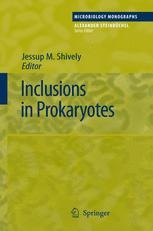
Inclusions in Prokaryotes
The new series "Microbiology Monographs" begins with two volumes on intracellular components in prokaryotes. In this first volume, "Inclusions in Prokaryotes", the components, labeled inclusions, are defined as discrete bodies resulting from synthesis of a metabolic product.

Improvement of Crop Plants for Industrial End Uses
This book provides concerns useful to promote an increase of the productivity of crops by using functional genomics (to understand the regulation of plant metabolism at molecular, cellular and whole plants), and the improvement of photosynthetic efficiency (to design new plants with enhanced raw materials percent and recovery).

Immunogenetics of Autoimmune Disease
Utoimmunity is the downstream outcome of a rather extensive and coordinated series of events that include loss of self-tolerance, peripheral lymphocyte Aactivation, disruption of the blood-systems barriers, cellular infiltration into the target organs and local inflammation. Cytokines, adhesion molecules, growth factors, antibodies, and other molecules induce and regulate critical cell functions that perpetuate inflammation, leading to tissue injury and clinical phenotype. The nature and intensity of this response as well as the physiological ability to restore homeostasis are to a large extent conditioned by the unique amino acid sequences that define allelic variants on each of the numerous participating mol ecules. Therefore, the coding genes in their germline configuration play a primary role in determining who is at risk for developing such disorders, how the disease progresses, and how someone responds to therapy. Although genetic components in these diseases are clearly present, the lack of obvious and homogeneous modes of transmission has slowed progress by prevent ing the full exploitation of classical genetic epidemiologic techniques. Furthermore, autoimmune diseases are characterized by modest disease risk heritability and m- tifaceted interactions with environmental influences. Yet, several recent discoveries have dramatically changed our ability to examine genetic variation as it relates to human disease. In addition to the development of large-scale laboratory methods and tools to efficiently recognize and catalog DNA diversity, over the past few years there has been real progress in the application of new analytical and data-manage ment approaches

Immune receptors : Methods and protocols
Explores immune cell receptors that are used in the detection of microbes, either by binding directly to non-self molecules or through indirectly sensing microbe-associated cellular disturbances. The covers methods for studying receptor-ligand interactions at both molecular and cellular levels; methods to create and characterize novel antibody reagents; and methods to characterize the molecular processes that lead to adaptive receptor maturation. This book also contains chapters that look at high-throughput strategies that describe the diversity of immune receptors and cells. Written in the highly successful Methods in Molecular Biology series format, chapters include introductions to their respective topics, lists of the necessary materials and reagents, step-by-step, readily reproducible laboratory protocols, and tips on troubleshooting and avoiding known pitfalls.

Imaging Cellular and Molecular Biological Functions
Imaging cellular and molecular biological function’ provides a unique selection of essays by leading experts, aiming at scientist and student alike who are interested in all aspects of modern imaging, from its application and up-scaling to its development. Indeed the philosophy of this volume is to provide student, researcher, PI, professional or provost the means to enter this applications field with confidence, and to construct the means to answer their own specific questions.

Illustrated Dental Embryology, Histology, and Anatomy
A full-color review of dental structures, Illustrated Dental Embryology, Histology, and Anatomy, 4th Edition provides a complete look at the development, cellular makeup, and morphology of the teeth and associated structures. A clear, reader-friendly writing style makes it easy to understand both basic science and clinical applications, putting the material into the context of everyday dental practice. New to this edition are updates on caries risk, safe levels of fluoride use, and prevention of periodontal disease.

Hydrological modelling and the water cycle : Coupling the atmospheric and hydrological models
This collected work reports on the state of the art of hydrological model simulation, as well as the methods for satellite-based rainfall estimation. Mainly addressed to scientists and researchers, the contributions have the structure of a standard paper appearing in most cited hydrological, atmospheric and climate journals. Several already-known hydrological models and a few novel ones are presented, as well as the satellite-based precipitation techniques. As the field of hydrologic modeling is experiencing rapid development and transition to application of distributed models, many challenges including overcoming the requirements of compatible observations of inputs and outputs are addressed.

Hydrogenosomes and Mitosomes : Mitochondria of Anaerobic Eukaryotes
"Hydrogenosomes and Mitosomes: Mitochondria of Anaerobic Eukaryotes" provides a summary of the current knowledge of these organelles, which occur in unicellular, often parasitic organisms, including human pathogens. The distribution of these organelles is broad, but they were detected primarily in an anoxic habitat or nutrient rich intracellular niche that permits life without the efficient energy generating system of typical mitochondria. Their common characteristic is that they lack the aerobic energy conservation system of typical mitochondria and that they are usually the site of the synthesis of iron-sulfur clusters, regarded as the only indispensable function of eukaryotic mitochondria.These mitochondria-related organelles exhibit a variety of structures and functions. This work describes properties such as protein import, structure, metabolism, adaptation, proteome and their role in drug activation and resistance. Further topics include the evolution and biogenesis of these organelles.
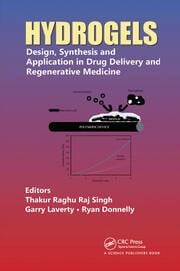
Hydrogels : Design, Synthesis and Application in Drug Delivery and Regenerative Medicine
Hydrogels are crosslinked, macromolecular polymeric materials arranged in a three-dimensional network, which can absorb and retain large amounts of water. Hydrogels are commonly used in clinical practice and experimental medicine for a wide range of applications, including drug delivery, tissue engineering and regenerative medicine, diagnostics, cellular immobilization, separation of biomolecules or cells, and barrier materials to regulate biological adhesions.
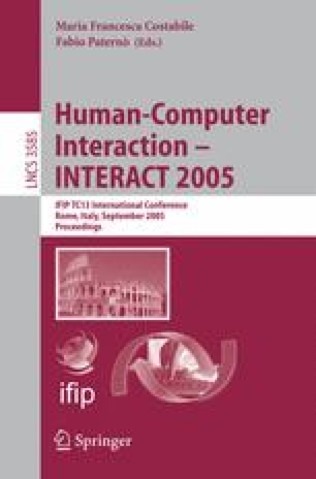
Human-computer interaction – INTERACT 2005 ; IFIP TC 13 International Conference, Rome, Italy, September 12-16, 2005, Proceedings
We will be, sooner or later, not only handling personal computers but also mul- purpose cellular phones, complex personal digital assistants, devices that will be context-aware, and even wearable computers stitched to our clothes…we would like these personal systems to become transparent to the tasks they will be performing. In fact the best interface is an invisible one, one giving the user natural and fast access to the application he (or she) intends to be executed. The working group that organized this conference (the last of a long row!) tried to combine a powerful scientific program (with drastic refereeing) with an entertaining cultural program, so as to make your stay in Rome the most pleasant one all round: I do hope that this expectation becomes true. July 2005 Stefano Levialdi, IEEE Life Fellow INTERACT 2005 General Chairman [1] Peter J. Denning, ACM Communications, April 2005, vol. 48, N° 4, pp. 27-31. Editors’ Preface INTERACT is one of the most important conferences in the area of Human-Computer Interaction at the world-wide level. We believe that this edition, which for the first time takes place in a Southern European country, will strengthen this role, and that Rome, with its history and beautiful setting provides a very congenial atmosphere for this conference. The theme of INTERACT 2005 is Communicating Naturally with Computers.

Hormones, metabolism and the benefits of exercise
The world is faced with an epidemic of metabolic diseases such as obesity and type 2 diabetes. This is due to changes in dietary habits and the decrease in physical activity. Exercise is usually part of the prescription, the first line of defense, to prevent or treat metabolic disorders. However, we are still learning how and why exercise provides metabolic benefits in human health. This open access volume focuses on the cellular and molecular pathways that link exercise, muscle biology, hormones and metabolism. This will include novel “myokines” that might act as new therapeutic agents in the future.

High Performance Tensegrity-Inspired Metamaterials and Structures
New metamaterials, smart materials and structures, and adaptive systems with adjustable behaviour or which use high performance or 'extremal' materials can be applied to bigger structural systems, such as cellular tensegrity lattices with extremal mechanical properties. Numerical analyses justify tensegrities and discrete and continuum models offer two main approaches to the analysis of tensegrity-based mechanical metamaterials and lattices. Two examples of 2D and 3D tensegrity modules and lattices, and potential applications in civil engineering are presented.

High performance computing for drug discovery and biomedicine
Explores the application of high-performance computing (HPC) technologies to computational drug discovery (CDD) and biomedicine. Collects CDD approaches that, together with HPC, can revolutionize and automate drug discovery process, such as knowledge graphs, natural language processing (NLP), Bayesian optimization, automated virtual screening platforms, alchemical free energy workflows, fragment-molecular orbitals (FMO), HPC-adapted molecular dynamic simulation (MD-HPC), and the potential of cloud computing for drug discovery. And delves into computational algorithms and workflows for biomedicine, featuring an HPC framework to assess drug-induced arrhythmic risk, digital patient applications relevant to the clinic, virtual human simulations, cellular and whole-body blood flow modeling for stroke treatments, prediction of the femoral bone strength from CT data, and many more subjects.

Hepatocellular Cancer : Diagnosis and Treatment
Recent advances in the use of ultrasound and computed tomography, in new drugs and drug combinations, as well as with increasingly successful liver transplantation have transformed not only our understanding of hepatocellular cancer (HCC), but also our clinical management of the disease. In Hepatocellular Cancer: Diagnosis and Treatment, highly experienced clinicians-many from Dr. Thomas Starzl's renowned liver transplant team at the University of Pittsburgh-present a fully synthesized practical approach to HCC patient management, including an up-to-date literature review. Their presentation includes all the latest developments in the diagnosis and treatment of primary liver cancer. A summary chapter details for physicians the diagnostic and therapeutic decision-making process for dealing with such problems as incidental tumors in the liver transplant, the role of neo-adjuvant chemotherapy, intra-arterial vs intravenous therapy, the uses of embolization, and the significance of portal vein thrombus. A value-added compact disk containing a companion ebook version of Hepatocellular Cancer: Diagnosis and Treatment is included for downloading and use in the reader's PC or PDA. Authoritative and highly practical, Hepatocellular Cancer: Diagnosis and Treatment captures for physicians the recent exciting changes in our understanding of hepatocellular cancer, focusing on today's optimal diagnostic methods, novel therapeutics, and day-to-day best management practices.

Heat Shock Proteins and the Brain : Implications for Neurodegenerative Diseases and Neuroprotection
Neurodegenerative disorders such as Alzheimer’s disease, Huntington’s disease, Parkinson’s disease and amyotrophic lateral sclerosis have been termed ‘protein misfolding disorders’ that are char- terized by the neural accumulation of protein aggregates. Manipulation of the cellular stress response involving the induction of heat shock proteins offers a the- peutic strategy to counter conformational changes in neural proteins that trigger pathogenic cascades resulting in neurodegenerative diseases. Heat shock proteins are protein repair agents that provide a line of defense against misfolded, aggregati- prone proteins. Heat Shock Proteins and the Brain: Implications for Neurodegenerative Diseases and Neuroprotection reviews current progress on neural heat shock proteins (HSP) in relation to neurodegenerative diseases (Part I), neuroprotection (Part II), ext- cellular HSP (Part III) and aging and control of life span (Part IV).

Heart block
Cardiac muscle (also called heart muscle or myocardium) is one of three types of vertebrate muscle tissue, with the other two being skeletal muscle and smooth muscle. It is involuntary, striated muscle that constitutes the main tissue of the wall of the heart. The cardiac muscle (myocardium) forms a thick middle layer between the outer layer of the heart wall (the pericardium) and the inner layer (the endocardium), with blood supplied via the coronary circulation. It is composed of individual cardiac muscle cells joined together by intercalated discs, and encased by collagen fibers and other substances that form the extracellular matrix.

Handbook of neurochemistry and molecular neurobiology : Development and Aging Changes in the Nervous System
In the animal nervous system, a very high metabolic turnover, fragile but steep ionic gradients, and morphological and structural constraints - dictated by the necessity for prompt neuronal transmission of electrical impulses and necessary plasticity - result in a highly fragile organ system. Here, we address a small sampling of major constituents of neural function at the cellular and molecular level that play important roles in development and aging, two endogenous processes that embody features of allostasis or the dynamic shifts in set points for specific homeostatic mechanisms associated with development and aging. These chapters stress the dynamic features of neuronal responses to internal (developmental) cues or the more harmful external events (injury and disease) in a modern perspective.

Handbook of neurochemistry and molecular neurobiology : Brain Energetics. Integration of Molecular and Cellular Processes
Focuses on aspects of energy metabolism that are unique to the brain. The goal of each chapter is to provide a fundamental overview of each area, to define the state-of-the-art in that area as it relates to brain, and, where appropriate, describe models that portray poorly understood and apparently contradictory data sets with the goal of helping focus attention to experimental resolution of controversial issues.

Handbook of medicinal plants of the world for aging : Botany, ethnopharmacology, natural Products, and molecular pathways
Provides an unprecedented comprehensive overview of more than 100 plants used globally as medicine with the potential to prevent premature aging. It is covers the pathophysiology of aging from the molecular and cellular to the organ levels, as well as the current state of knowledge about the modes of action of natural products from plants on the pathophysiological pathways related to the (i) cardiovascular system and metabolism, (ii) central nervous system, (iii) kidneys, (iv) bones, (v) skin and hair, and (vi) immune system.
