



الصفحة 23
الصفحة 23

Hot Topics in Infection and Immunity in Children III
This book is based on the course “Infection and Immunity in Children 2005” which was held at St Catherine’s College Oxford, UK in June 2005. This is the third book in this series covering topics in infection and immunity during childhood and based on the Oxford courses. These courses, and their companion books, are aimed at encouraging excellence in clinical practice and raising the pro? le of paediatric infectious disease with a particular eye on the needs of trainees in the specialty. At the time of writing a fourth course is already at an advanced stage of planning for June 2006 with a completely new programme once again. You will ? nd in this book a wealth of state of the art information about various aspects of paediatric infectious diseases written by leading authorities in the ? eld. We hope this volume will bring new insights into the management of children with infectious diseases and improve the health of children.

Hot Topics in Infection and Immunity in Children II
Hot Topics in Infection and Immunity II provides a current view from leading experts concerning the hottest topics of concern to clinicians caring for children with infections. The book brings together a collection of manuscripts from a faculty of authors of international standing who contributed to a course in Paediatric Infection and Immunity in Oxford, UK in June 2004.

Host-pathogen interactions : Methods and protocols
Serves as multidisciplinary compendium of approaches and techniques employed to analyze the role of different molecules, processes, or strategies used by different guests to survive and proliferate in their associations with eukaryotic hosts. Beginning with animal-pathogen interactions, the book then continues with chapters exploring virus-host interactions, plant-microbe interactions, as well as different molecular techniques that were initially applied to non-pathogenic interactions but can be adapted to study other host-pathogen associations. Written for the highly successful Methods in Molecular Biology series, chapters include introductions to their respective topics, lists of the necessary materials and reagents, step-by-step and readily reproducible laboratory protocols, as well as tips for troubleshooting and avoiding known pitfalls.

Hormones, metabolism and the benefits of exercise
The world is faced with an epidemic of metabolic diseases such as obesity and type 2 diabetes. This is due to changes in dietary habits and the decrease in physical activity. Exercise is usually part of the prescription, the first line of defense, to prevent or treat metabolic disorders. However, we are still learning how and why exercise provides metabolic benefits in human health. This open access volume focuses on the cellular and molecular pathways that link exercise, muscle biology, hormones and metabolism. This will include novel “myokines” that might act as new therapeutic agents in the future.

Hormonal control of cell cycle
This volume reflects the proceedings of an International Workshop held in Paris in December 2006. The aim of the meeting was to undertake a high level of scholarly exchange between experts in cell biology, oncology and endocrinology interested in cell cycle control. The topics covered ranged from fundamental studies of DNA replication,chromosomal and nuclear function through growth factor control of endocrine tumor initiation and progression.

Hormonal carcinogenesis V
Information gathered from cell-free systems, cell cultures, animal models, and human studies, together will (1) provide important insights to our understanding of hormonal cancer causation, development, and prevention; (2) be the primary objective of these Symposia.

Hominin environments in the East African Pliocene : An assessment of the Faunal Evidence
This volume presents the work of researchers at many sites spanning the East African Pliocene. This volume aims to synthesize large amounts of faunal data, and to present the evolution of East African vertebrates in the context of environmental and climatic changes during the Pliocene.

Homing Endonucleases and Inteins
This book provides detailed summary of the genetics, structure, function, mechanisms of action, evolution and engineering of homing endonucleases and inteins. These two unique protein superfamilies have generated considerable excitement for their fundamental, structural, and functional properties, their evolution as parasitic elements, and their widespread applications as gene targeting agents and as instruments for the generation of modified proteins and novel protein combinations.

HIV and AIDS : Basic elements and priorities
This volume is an excellent reference for science graduates and post graduates, medical students, research scholars and scientists across the world. This book is recommended by the World Health Organization Eastern Mediterranean Region Office (WHO-EMRO) as a basic resource for medical faculty libraries.

HIMSS Dictionary of Health Information and Technology Terms, Acronyms and Organizations
This valuable resource includes more than 3,400 definitions, organizations, credentials, acronyms and references. Definitions of terms for the health IT, medical and nursing informatics fields are updated and included. This fifth edition also includes an acronyms list with cross references to current definitions and a list of health IT-related associations and organizations, including contact information, mission statements and web addresses.
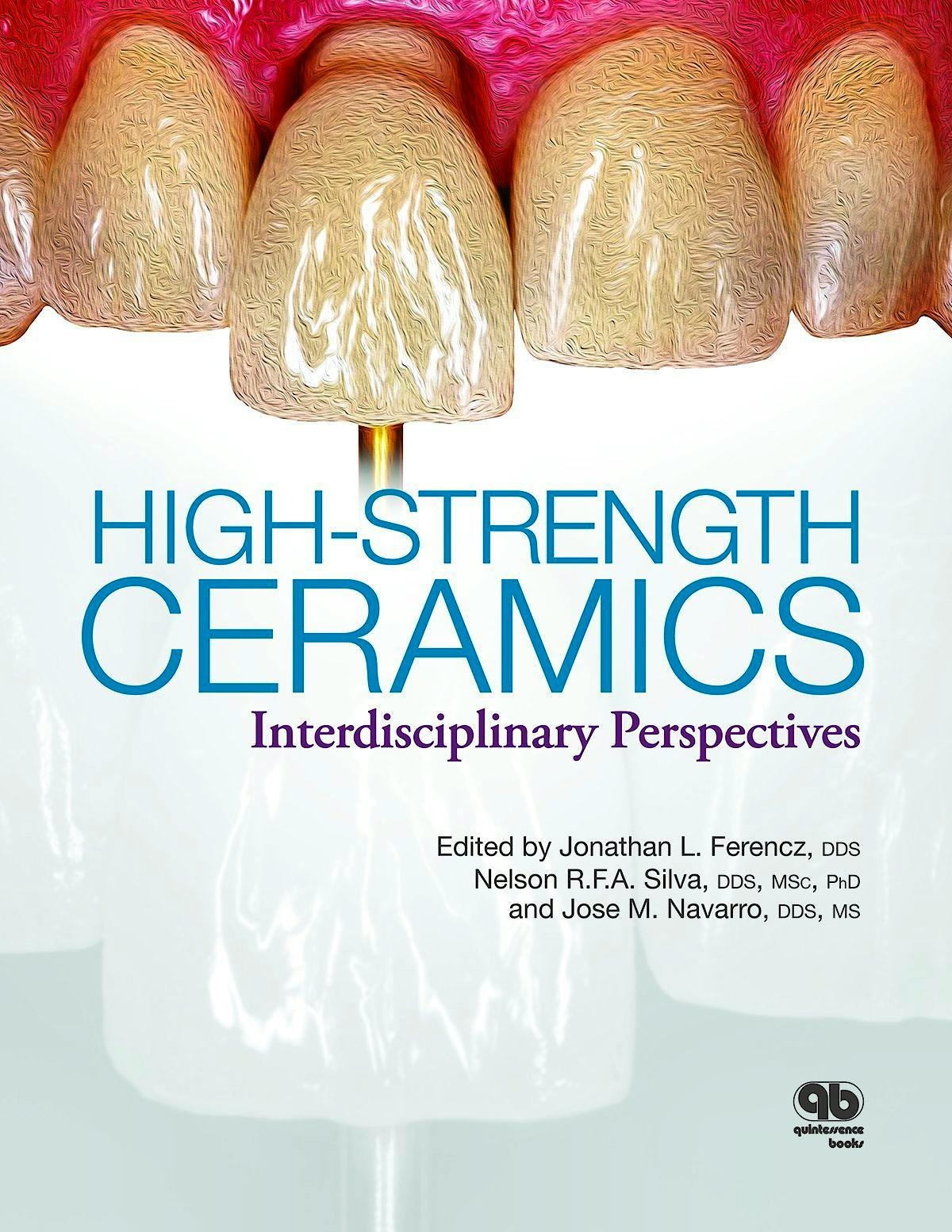
High-Strength Ceramics : Interdisciplinary Perspectives
Provides insight into these issues, the editors of this book have assembled the talents of the various stakeholders in this eld. International authorities from a variety of disciplines have come together to share expertise from the biomaterials, industry, clinical, and laboratory perspectives.

High-Grade Gliomas : Diagnosis and Treatment
This is truly an exciting time in the field of neuro-oncology, particularly in the area of hi- grade gliomas. The management of patients with high-grade gliomas has historically been one of the most challenging and disheartening fields in medicine, where failure is the rule and longevity is the exception. The jaded often state that despite purported advances in surgical and radiotherapeutic techniques and a myriad of clinical trials of medical therapies, the s- vival statistics for glioblastoma have not changed in the last three decades. The nihilism associated with these tumors is such that some practitioners still advise against treatment or even biopsy, recommending palliative care with the diagnosis based only on history and an MRI scan. If the current state-of-the-art in the diagnosis and management of high-grade gliomas was truly so bleak, there would be no reason to compile and publish a monograph on the subject. The fact is that we have recently entered an era where real progress is being made in our understanding and treatment of high-grade gliomas that is directly benefiting some patients. We are slowly but surely chipping away at this problem. One approach has exploited correlations between particular molecular markers and therapeutic response.

High-Dynamic-Range (HDR) Vision : Microelectronics, Image Processing, Computer Graphics
This first comprehensive account of high-dynamic-range (HDR) vision focusses on HDR real-time, high-speed digital video recording and also systematically presents HDR video transmission and display. The power of the eye-like, logarithmic optoelectronic conversion concept is demonstrated in machine-vision, medical, automotive, surveillance and cinematic applications, and it is extended to HDR sub-retinal implants for the vision impaired. While the book conveys the overall picture of HDR vision, specific knowledge of microelectronics and image processing is not required. It provides a quantitative summary of the major issues to allow the assessment of the state of the art and a glimpse at future developments. Selected experts share their know-how and expectations in this rapidly evolving art related to the single most powerful of our senses.
High Resolution Imaging in Microscopy and Ophthalmology : New Frontiers in Biomedical Optics
This book provides a comprehensive overview of the application of the newest laser and microscope/ophthalmoscope technology in the field of high resolution imaging in microscopy and ophthalmology. Starting by describing High-Resolution 3D Light Microscopy with STED and RESOLFT, the book goes on to cover retinal and anterior segment imaging and image-guided treatment and also discusses the development of adaptive optics in vision science and ophthalmology. Using an interdisciplinary approach, the reader will learn about the latest developments and most up to date technology in the field and how these translate to a medical setting.

High performance computing for drug discovery and biomedicine
Explores the application of high-performance computing (HPC) technologies to computational drug discovery (CDD) and biomedicine. Collects CDD approaches that, together with HPC, can revolutionize and automate drug discovery process, such as knowledge graphs, natural language processing (NLP), Bayesian optimization, automated virtual screening platforms, alchemical free energy workflows, fragment-molecular orbitals (FMO), HPC-adapted molecular dynamic simulation (MD-HPC), and the potential of cloud computing for drug discovery. And delves into computational algorithms and workflows for biomedicine, featuring an HPC framework to assess drug-induced arrhythmic risk, digital patient applications relevant to the clinic, virtual human simulations, cellular and whole-body blood flow modeling for stroke treatments, prediction of the femoral bone strength from CT data, and many more subjects.

High dilution effects : Physical and biochemical basis
this volume provides evidence in support of effects from control clinical studies, and in vitro tests without any organisms (Chapter II). An overview of the methods for preparing drugs at ultra high dilution is also provided as well as the basic principles of homeopathy, (Chapter I). Chapter III provides physical basis of high dilutions as evidence from the NMR, IR, UV and fluorescence spectra of those drugs.Chapter IV focuses on the mechanism of action of potentized drugs in the living system, discussing the structure of the cell, the plasma membrane, the integral proteins on the membrane, the interaction between these proteins and high dilutions and the manifestations of the therapeutic effects of high dilutions.

High Density Lipoproteins : From Biological Understanding to Clinical Exploitation
In this Handbook of Experimental Pharmacology on “High Density Lipoproteins – from biological understanding to clinical exploitation” contributing authors (members of COST Action BM0904/HDLnet) summarize in more than 20 chapters our current knowledge on the structure, function, metabolism and regulation of HDL in health and several diseases as well as the status of past and ongoing attempts of therapeutic exploitation.

Heterocyclic Antitumor Antibiotics
Heterocyclic Compounds Includes aspects such as synthesis, reaction mechanisms, structure complexity, properties, reactivity, stability, fundamental and theoretical studies, biology, biomedical studies, pharmacological aspects, applications in material sciences etc. Metabolism will be also included which will provide information useful in designing pharmacologically active agents. Pathways involving destruction of heterocyclic ring will also be dealt with so that synthesis of specifically functionalized non-heterocyclic molecules can be designed. Overall scope is to cover topics dealing with most of the areas of current trends in heterocyclic chemistry which will suit to a larger heterocyclic community.

Herbal Products : Toxicology and Clinical Pharmacology
Herbal Products: Toxicology and Clinical Pharmacology, Second Edition builds upon the informative foundation laid by its predecessor. This fully revised and expanded second edition boasts over 200 new references that document efficacy studies and adverse effects and four new chapters devoted to dietary products.

Herbal antivirals : Natural remedies for emerging & resistant viral infections ; 2nd ed.
Viruses are smart, mutating, and becoming resistant to antiviral pharmaceuticals. Global crises such as COVID-19, SARS, and dengue feaver spread more quickly than we can develop medicines to fight them. Herbalist and best-selling author Stephen Harrod Buhner has studied the antiviral properties of plants for many years. In this comprehensive guide, he profiles the plants that have proven most effective in fighting viral infections and provides in-depth instructions for preparing and using formulations to address the most common infections and strengthen immunity, safely and naturally. The updated 2nd edition includes an expanded guide to COVID-19, including a review of the most up-to-date medical research and the plant medicines that have been found to be most potent in preventing infection, lessening the impact of the virus on the body, and addressing longer-term effects and co-infections.
