



الصفحة 20
الصفحة 20
Computational analysis and deep learning for medical care : Principles, methods, and applications
Focuses on the sophisticated methods for improving dye extraction and dyeing properties which will minimize the use of bioresource products. This book also brings out the innovative ways of wet chemical processing to alleviate the environmental impacts arising from this sector.

Comprehensive biochemistry for dentistry : Textbook for dental students
Combines fundamental concepts of biochemistry and the dental sciences to provide an authentic, coherent and comprehensive text for dental students. It describes in simple language the intricate pathophysiology of biomolecules in health and in diseases of dental and oral tissues. This book also describes the evolution of biochemistry in a chronological order, provides information about the fundamental chemical structure, classification and biological significance of biomolecules, vitamins and hormones, enriched with flow charts and diagrams for easy understanding and quick reference. It includes chapters on nucleic acids, nutrition and serum enzymes and organ function tests, and offers an innovative approach to familiarize dental students with the biochemical composition of enamel, dentine, cementum and saliva, explaining the biochemical basis of dental caries, periodontal diseases, role of fluorides in caries prophylaxis, fluoride toxicity, and the role of amino acids as anti-hypersensitive agents
Compendium of Chemical Warfare Agents
In This book, Compendium of Chemical Warfare Agents, author Steven L. Hoenig provides all the necessary information that First Responders, Hospitals, HazMat Teams, Fire and Rescue Services, and other First Responders need to know when dealing with dangerous chemical agents.Coverage includes health effects, physical characteristics, hazards from reactivity, protection of personnel, and general first aid for each agent. The book provides quick and easy access to critical data on chemical warfare agents, both at the scene of release and in the laboratory.
Clinical Neuroanatomy : A Neurobehavioral Approach
This book begins with a traditional review of the basic internal and external morphology, major nerve and fiber tracts, behavioral correlates, and clinical syndromes associated with spinal cord, brain stem, and cerebellum designed to reacquaint students and practicing clinicians with the functional anatomy of the subtentorial central nervous system. However, as the text was specifically geared to meet the needs of those practitioners whose primary interest is in what might be termed "higher order cognitive-behavioral function," the main focus of the text is on the brain itself. Borrowing heavily from a Lurian tradition, the central chapters reflect an attempt to offer more detailed, integrated, and, at times, theoretical models of cortical systems and their internal organization. Additional chapters highlight vascular anatomy and associated pathology, as well as neurochemical systems and their potential clinical relevance.
Clinical Nephrotoxins: Renal Injury from Drugs and Chemicals
Clinical Nephrotoxins: Renal Injury from Drugs and Chemicals is a comprehensive handbook on all aspects of adverse effects by drugs and chemical substances on the kidneys.
Clinical metabolomics applications in genetic diseases
Helps readers discover the forefront of personalized medicine on clinical metabolomics and its applications in genetic diseases. This comprehensive guide offers a functional relationship map between cell components and genetic variations in various diseases, providing insights that can be applied to personalized medicine. Covers the latest developments in metabolomics for health, with practical guidance for clinical experts looking to advance their laboratory techniques and career. The metabolomics profile is a powerful tool that has revolutionized our understanding of the relationship between genetics, clinical readouts, and disease outcomes. By integrating metabolomics with genomics and clinical phenotypes, the authors have developed diagnostic and prediction models that have vastly improved patient outcomes and deepened the understanding of disease mechanisms.

Clinical Guide to Bioweapons and Chemical Agents
Clinical Guide to Bioweapons and Chemical Agents is a quick reference for the busy clinician, to assist in the new public health response to the threats from bioterrorism and other public health disease.
Clinical Chemistry
Clinical Chemistry considers what happens to the body’s chemistry when affected by disease. It provides introductory coverage of the scientific basis for biochemistry tests routinely used in medicine - including tests for the assessment of organ function, diagnosis and monitoring disease activity and therapy efficacy. Each topic area begins with a concise description of the underlying physiological and biochemical principles and then applies them to patient investigation and management. The regular use of case histories helps further emphasise clinical relevance and chapter key points, as well as provide a useful starting point for examination revision.

Click chemistry
In chemical synthesis, click chemistry is a class of simple atomic economy reactions commonly used to join two selected molecular entities. Click chemistry is not one specific reaction, but describes a method for generating products that follow examples in nature, which also generates substances by joining small modular units. In many applications, click interactions that join a biomolecule and a reporter molecule. Click chemistry is not limited to biological conditions: the concept of a 'click' reaction has been used in protein chemistry, pharmacokinetics, and many biomimetic applications. However, they have been made remarkably useful in the discovery, localization and qualification of biomolecules.
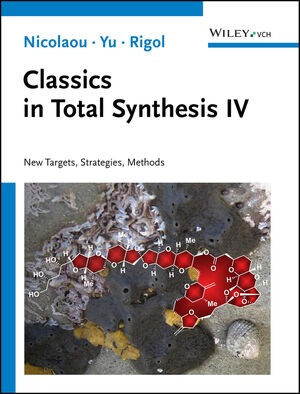
Classics in total synthesis IV : new targets, strategies, and methods
A compilation of highly important synthetic methods which lead to complex molecules with valuable properties. From the complex architectures of natural products to the streamlined synthesis of functional molecules, each chapter in Classics in Total Synthesis IV unfolds a unique story. The interplay of mechanisms, reactivity, selectivity, and stereochemical aspects is thoroughly examined, echoing the pedagogical format that has become synonymous with this series. Well-designed graphics are included throughout, and all important parts of the reaction sequences are highlighted.
Chromosomal alterations : Methods, results and importance in human health
Cytogenetics is a very important research tool in basic and applied research. The uses of cytogenetics in human-population monitoring, in biological dosimetry in radiation accidents and in astronauts and as a predictive measure of cancer are topics discussed in this book. The book will help the reader to better understand cytogenetics and the intricacies of the methodology. The different methods of fluorescence in situ hybridization are discussed and the results achieved are presented. The book provides a comprehensive review of basic and applied aspects of cytogenetics and therefore will be of interest to all who are interested in chromosomes and their alterations by different types of mutagens, including chemical mutagens and ionizing and nonionizing radiation, with special reference to electromagnetic fields.
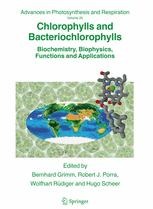
Chlorophylls and Bacteriochlorophylls : Biochemistry, Biophysics, Functions and Applications
This book summarizes the chemical, physical, biological and medical aspects of chlorophyll (and bacteriochlorophyll) research and development, with a focus on the tremendous progress achieved over the past 15 years. Each section has an up-to-date introductory overview which is followed by a series of concise well-focused and fully-referenced chapters written by experts in (bio)chemistry, (bio)physics, photobiology and photomedicine.
Chitosan-based nanocomposite materials : fabrication, characterization and biomedical applications
Discovery in the use of chitosan-based nanocomposites in biomedical applications, including the scope to which these novel materials have been incorporated by the community. It provides an exceptional insight into the strategies for the synthesis and chemical modifications of chitosan, characterization techniques, their use as anticancer agents, antimicrobial, antiviral, and antifungal agents, their role in the biomedical field, and applications in drug delivery, gene therapy, dentistry, orthopedics, etc. This book will also emphasize the challenges with previous signs of progress and way for further research, details relating to the current pioneering technology, and future perspectives with a multidisciplinary approach. Furthermore, it presents up-to-date information on the economics, toxicity, and regulations related to these novel materials.

Chia seeds : Tiny superfood, big impact
Chia (Salvia hispanica) is an annual herbaceous plant, the seeds of which were consumed already thousands of years ago. Current research results indicate a high nutritive value for chia seeds and confirm their extensive health-promoting properties. Research indicates that components of chia seeds are ascribed a beneficial effect on the improvement of the blood lipid profile, through their hypotensive, hypoglycemic, antimicrobial and immunostimulatory effects. This article provides a review of the most important information concerning the potential application of chia seeds in food production. The chemical composition of chia seeds is presented and the effect of their consumption on human health is discussed.

Chernobyl - What Have We Learned? : The Successes and Failures to Mitigate Water Contamination Over 20 Years
Twenty million people have been exposed to Chernobyl radionuclides through the Dnieper River aquatic pathways. This book presents a 20-year historical overview and comprehensive study results of the aquatic environment affected by the 1986 Chernobyl nuclear accident. During this time, many water quality management practices and countermeasures were enacted. The book presents in-depth analyses of these water remediation actions, using current science and mathematical modeling, and discusses why some were successful, but many others failed. The chapter entitled Where Do We Go From Here? incorporates a comprehensive discussion of the planned New Safe Confinement (NSC) structure to cover the Chernobyl plant. The book closes with a summary and conclusions drawn from these analyses, making it a valuable reference tool for the future. This book will be of interest to engineers, scientists, decision-makers, and those involved in radiation protection and radioecology, environmental protection and risk assessment, water remediation and mitigation measures, and radioactive waste disposal. In addition, the detailed, almost day-to-day, emergency responses to the Chernobyl accident described in this book will also be useful to people developing emergency and long-term responses to accidental or intentional (by terrorists) releases of radionuclides, toxic chemicals and biological agents.
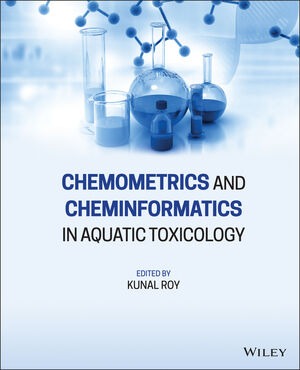
Chemometrics and Cheminformatics in Aquatic Toxicology
Chemometrics and Cheminformatics in Aquatic Toxicology delivers an exploration of the existing and emerging problems of contamination of the aquatic environment through various metal and organic pollutants, including industrial chemicals, pharmaceuticals, cosmetics, biocides, nanomaterials, pesticides, surfactants, dyes, and more. The book discusses different chemometric and cheminformatic tools for non-experts and their application to the analysis and modeling of toxicity data of chemicals to various aquatic organisms.

Chemoinformatics : Theory, Practice, & Products
Chemoinformatics: Theory, Practice & Products covers theory, commercially available packages and applications of Chemoinformatics. Chemoinformatics is broadly defined as the use of information technology to assist in the acquisition, analysis and management of data and information relating to chemical compounds and their properties.The book also provides a summary of currently available, state-of-the-art, commercial Chemoinformatics products, with a specific focus on databases, toolkits, and modelling technologies designed for drug discovery.
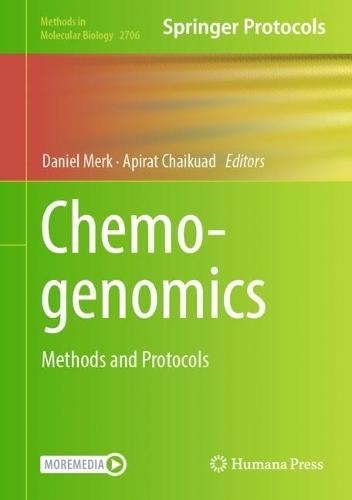
Chemogenomics : Methods and protocols
Presents both theoretical guidance and protocols on chemogenomics including chemogenomics library assembly, compound profiling, and phenotypic assays. The chapters in this book cover topics such as the assembly and use of Kinase Chemogenomics; data mining for chemogenomic compound candidates; protocols for protein family-focused assay systems to profile chemogenomic compounds; functional and target engagement assays in cellular settings for broad characterization; and a discussion on phenotypic assays where chemogenomic sets may be applied.
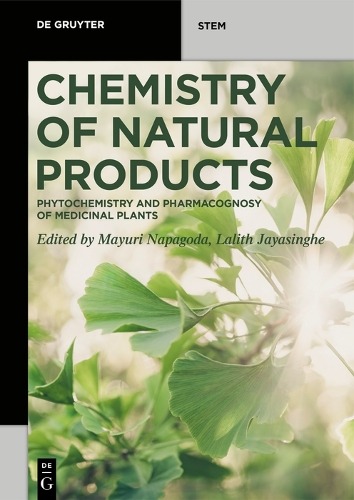
Chemistry of natural products : phytochemistry and pharmacognosy of medicinal plants
Plants produce secondary metabolites that humans harness for their own benefit. About half of drugs currently in clinical use are based on these chemicals found in nature. Chemistry of Natural Products covers secondary metabolites present in medicinal plants and their biosynthesis, biological activities, and isolation and separation techniques.
Chemistry from First Principles
This book examines the appearance of matter in its most primitive form, from the vacuum and the diversity that results from the fusion of elementary units in the genesis of atomic matter; considers the empirical rules of chemical affinity that regulate the synthesis and properties of molecular matter; analyzes the compatibility of the theories of chemistry with the quantum and relativity theories of physics; formulates a consistent theory, based on clear physical pictures and manageable mathematics, to account for chemical concepts such as the structure and stability of atoms and molecules, the periodicity of nuclides and elements, valence states, activation and chemical reactivity, electronegativity and general covalency, the exclusion principle, electronic energy, orbital angular momentum and spin in relation to molecular shape, torsional rigidity, chirality and molecular modeling; explains the self-similarity between space-time, nuclear structure, covalent assembly, biological growth, planetary systems and galactic conformation.
