



الصفحة 2
الصفحة 2

Enhanced Living Environments : Algorithms, Architectures, Platforms, and Systems
Ambient Assisted Living (AAL) is an area of research based on Information and Communication Technologies (ICT), medical research, and sociological research. AAL is based on the notion that technology and science can provide improvements in the quality of life for people in their homes, and that it can reduce the financial burden on the budgets of the healthcare providers. The concept of Enhanced Living Environments (ELE) refers to the AAL area that is more related with ICT. Effective ELE solutions require appropriate ICT algorithms, architectures, platforms, and systems, having in view the advance of science in this area and the development of new and innovative solutions. The aim of this book is to become a state-of-the-art reference, discussing progress made, as well as prompting future directions on theories, practices, standards, and strategies related to the ELE area.

Empowering behavior change in patients : practical strategies for the healthcare professional
Reviews medical research and pairs it with behavior change theories to create counseling strategies and tools that equip the reader to empower others to adopt and sustain change. With contributions by leading physicians, PhDs, health coaches and other experts in behavior change, the book presents a variety of perspectives, backgrounds and educational experiences encouraging readers to alter their counseling practices to include more behavior change and coaching strategies.

Drugs Affecting Growth of Tumours
During recent years the field of effective anticancer agents has substantially increased. The use of chemotherapy has been accepted as a standard therapy for an expanding number of tumour types and stages, while many new agents are being investigated when standard therapy is lacking or failing. Apart from new targets for anticancer agents, attention is also focused on improving efficacy and tolerability of existing compounds. This topical volume provides an up-to-date overview of clinically relevant data on anticancer agents, and is not only intended for those working as a medical doctor with cancer patients, but also for medical researchers and students. The different classes of anticancer drugs are described by international authorities on the various topics.

Drug utilization research : Methods and applications
Drug Utilization Research (DUR) is a discipline which combines aspects of pharmacotherapy, epidemiology, and health services research into an interdisciplinary set of methods for analyzing and assessing the prescribing, dispensing and consumption of medicines. It combines both qualitative and quantitative approaches to facilitate the safe and effective use of pharmaceuticals. Drug Utilization Research: Methods and Applications provides a comprehensive introduction to this discipline, prepared by an international team of authors with broad experience in numerous fields. Now reorganized and updated to reflect the latest research and global challenges, it is an indispensable resource for understanding the use of pharmaceuticals.

Drug target selection and validation
Focuses on the computational aspects of early drug discovery, drug target identification, and validation. It revises current classical paradigms in target and phenotypic-based drug design with still ingrained approximations and concepts and discusses the research in the new network approach concept that include kinetic selectivity and metabolic analysis. Many often-overlooked approximations and concepts in drug discovery are fully covered. Drug Target Selection and Validation includes both introductory sections and research-based sections to be of use to both students and research scientists in drug discovery, design, kinetics and metabolic analysis. Pharmaceutical scientists, pharmaceutics, drug developers, pharmacologists, biomedical researchers in computer science, medicinal chemists, and precision medicine developers benefit from the information provided. The book concludes with a chapter on chemical and structural databases.

Data Mining in Biomedicine
This volume presents an extensive collection of contributions covering aspects of the exciting and important research field of data mining techniques in biomedicine. Coverage includes new approaches for the analysis of biomedical data; applications of data mining techniques to real-life problems in medical practice; comprehensive reviews of recent trends in the field. The book addresses incorporation of data mining in fundamental areas of biomedical research: genomics, proteomics, protein characterization, and neuroscience.

Computational Intelligence in Medical Informatics
This book deals with the application of computational intelligence in medical informatics. Addressing the various issues of medical informatics using different computational intelligence approaches is the novelty of this edited volume.

Marine bioactive molecules for biomedical and pharmacotherapeutic application
Explores cutting-edge research on the discovery and application of marine bioactive molecules for biomedical and pharmacotherapeutic purposes. The book begins by delving into the bioprospection of marine sponge microbiomes for bioactive metabolites using advanced metagenomics tools. It then explores metagenome mining approaches for the discovery of marine microbial natural products. The use of marine-derived fungi as a source of anticancer secondary metabolites is also discussed. The book then turns to the biomedical applications of marine-derived biomaterials, including marine biopolymers in tissue engineering and regenerative medicine. Marine-derived pharmaceuticals and polymeric nanostructures for cancer treatment are also examined.
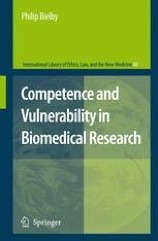
Competence and Vulnerability in Biomedical Research
In this book, the author develops a novel justificatory framework for making judgments of decisional competence to consent to biomedical research with reference to five groups of cognitively vulnerable individuals - older children and adolescents, adults with intellectual disabilities, adults with depression, adults with schizophrenia and adults with dementia, including Alzheimer’s disease.
Chemical Biology and Drug Discovery
Gives the reader, through the specific selection of chemical-biological techniques and concepts, the necessary tools to be able to develop new ways of thinking and thus new therapeutic options in the complex field of chemical biology and drug development. The stated aim of this book is to provide concrete solutions and inspiration to students, (post)graduate students, and experienced scientists at universities as well as in industry in their problems.

Chamomile & insulin nasal spray in the treatment of Alzheimer's disease
Chamomile is one of the most widely used herbs in Western countries, in the present study, we assessed the effect of chamomile combined with insulin on the learning and memory impairments (Alzheimer's disease) induced by scopolamine. The cognition-enhancing effect of chamomile & insulin was investigated using the Y-maze test. Drug-induced amnesia was induced by treating animals with scopolamine. Mix solution administration intranasally reversed scopolamine induced cognitive impairments in mice by the Y-maze test. Moreover, results suggest that the combination of both chamomile and insulin may be a useful cognitive impairment treatment, and its beneficial effects are mediated, in part, via inhibitory effects in vivo on the release of several pro-inflammatory mediators and as a co-absorbent.
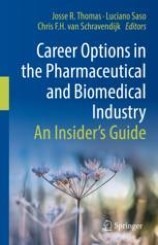
Career options in the pharmaceutical and biomedical industry : An insider’s guide
Divided into five parts: Part 1 provides an academic perspective that focuses on the specific preparation required in the final years of study to embark on a successful career in the pharmaceutical and biomedical industries. In Part 2, industry experts discuss employment possibilities all along the drug or product life cycle,from discovery research and development to commercialisation. Part 3 follows, highlighting opportunities in support functions such as regulatory affairs or quality assurance. Part 4 focuses on additional opportunities in the wider biomedical sector, while Part 5 contains practical tips and training opportunities for entering the pharmaceutical and biomedical industries. In the epilogue, the authors reflect on this fascinating field and its career prospects.
Cannabinoids and sleep : Molecular, functional and clinical aspects
Offers a comprehensive overview on cannabinoids and their effects on sleep Provides novel research findings on the therapeutic potential of cannabinoids Discusses the effect of cannabinoids in several neurological disorders
CADD and informatics in drug discovery
Updates knowledge on recent advances in computational and bioinformatics tools/techniques and their practical applications in modern drug design and discovery programme. Also it encompasses fundamental principles, advanced methodologies and applications of various CADD approaches including several cutting-edge areas / presenting recent developments covering ongoing trends in the field of computer-aided drug discovery. Having contributions by a global team of experts, the book is expected to be an ideal resource for drug discovery scientists, medicinal chemists, pharmacologists, toxicologists, phytochemists, biochemists, biologists, RandD personnel, researchers, students, teachers and those working in the field of drug discovery. It will fill the knowledge gaps that exist in the current CADD approaches and methodologies/ protocols being widely used in both academic and research practices. Further, a special focus on current status of various computational drug design approaches (SBDD, LBDD, De-novo drug design, Pharmacophore-based search), bioinformatics tools and databases, computational screening and modeling of phytochemicals/natural products, artificial intelligence and machine learning, and network pharmacology and system biology would certainly guide researchers, students or readers to conduct their research in the emerging area(s) of interest. It is also expected to be highly beneficial to different stakeholders working in the pharmaceutical and biotechnology industries (RandD), the academic as well as research sectors. .
Breast Cancer Management and Molecular Medicine : Towards Tailored Approaches
This book provides an overview of the most recent techniques, agents and approaches for breast cancer that contribute to the individualization of treatment. Current biomedical research focuses on facilitating the transfer of molecular biology knowledge into the clinical management of patients, leading to increased survival as well as improved quality of life. Particular attention is given in this book to organ-specific tailored approaches, specific populations, patients’ preferences and rehabilitation.
Biotechnology of medicinal plants with antiallergy properties : Research trends and prospects
Covers critically investigated information on medicinal plants prioritized for their anti-allergy properties. It offers insights into strategies related to the distribution, mechanism of action, and assessment of antiallergic medicinal plants, and also delves into crucial aspects of modern biotechnological tools, addressing their implementation challenges, presenting innovative approaches through case studies, and exploring opportunities for nanotechnologies. These elaborated discussions aim to raise awareness and bridge the gap between human health and the biodiversity of antiallergic medicinal plants.
Biochemistry of Atherosclerosis
Advances in Biochemistry in Heath and Disease presents state-of-the-art discussions in cutting-edge biochemical research, offering exciting developments that impact healthcare and disease research. Volumes in the series focus on cross-disciplinary biomedical research and examine various topics in biochemistry, cell biology, molecular biology, and biomedicine. Biochemistry of Atherosclerosis examines atherosclerosis in great detail, focusing on the risk of atherosclerosis, and the biochemical pathways involved. It provides a breadth of knowledge as well as new insights into a variety of topics relating to atherosclerosis from leading scientists around the world who are at the forefront of atherosclerosis research. Biochemistry of Atherosclerosis is essential reading for biomedical and clinical researchers.
Basic Science Techniques in Clinical Practice
Medical researchers including doctors, nurses, medical students and allied health professionals are required to undertake a period of research as part of their career pathway. Basic Science Techniques in Clinical Practice covers the main areas, allowing anyone to set up and complete research projects and this information can easily be translated to clinical projects. Written by international authors to provide a flavor from many institutions, the book’s appeal is cross-sectional, both at hospital and primary care levels worldwide.
Assessment of cancer screening : A primer
Provides an in-depth look at the many aspects of cancer screening and its assessment, including screening phenomena, performance measures, population-level outcomes, research designs, and other important and timely topics.

Antibody-drug conjugates and cellular metabolic dynamics
Summarizes the related research achievements in Antibody-drug conjugates (ADCs) and their cell metabolism kinetics. The book has three main parts. The first part describes the basic theory of ADCs, including the basic concept and structure of ADCs, and the relationship between the targets of ADCs and their specific functions. The second part mainly introduces the endocytosis and intracellular metabolism of ADCs, including the relationship between endocytosis and ADC activity, the endocytosis and intracellular transport of ADCs, the distribution and metabolism of ADC in vivo. Then it discusses the new formats and research technology of ADCs, including the application of miniaturized antibodies in ADC synthesis, novel carriers for ADC design, the technology and application of site-specific conjugation, and approaches for analyzing the drug: antibody ratio (DAR), the study of pharmacokinetics of ADCs.
