



الصفحة 2
الصفحة 2

Lippincott illustrated reviews : Pharmacology
Presents up-to-date drug information in an accessible format ideal for a fast, effective refresher. Part of the popular Lippincott® Illustrated Reviews series, this concise resource features clear, effective writing and hundreds of illustrations that break down complex information for rapid review. Sequential images present mechanisms of action and focus on showing rather than telling students how drugs work, and review questions with answers deliver powerful, practical exam preparation. Updated drug information reflects the most current, clinically relevant pharmacology material. Approachable outline format distills complex information for easier review. High-quality illustrations reinforce understanding in vibrant detail. Enhanced review questions with answers test students' understanding and identify areas for further study.
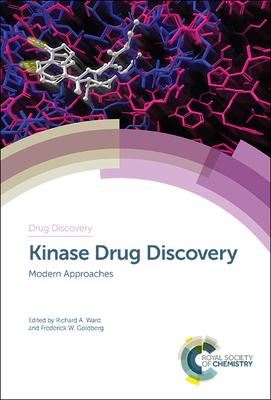
Kinase Drug Discovery : Modern Approaches
Kinase inhibition remains an area of significant interest, and growing importance, across academia and the pharmaceutical industry. There are now many marketed drugs that target kinases and a significant number of compounds are currently in various stages of clinical development. This book is a forward-looking analysis of a number of key areas for kinase inhibition in the coming years and builds on the first volume. This includes topics such as screening approaches to target kinases along with different modes of inhibition such as allosteric and covalent. Novel approaches such as macrocyclisation are considered along with how the properties of kinase inhibitors have evolved, including the potential for brain penetration. Recent areas of great importance also covered include cutting edge molecular modelling approaches and the importance of kinase mutations.
Cancerimmunotherapies : Solid tumors and hematologic malignancies
Presents the clinical scope of cancer immunotherapeutic agents for solid tumors and Hematologic malignancies, elaborates on the scientific details of their modes of action, and presents the impact of these agents on oncology, patients and the broader healthcare system. At present, cancer immunotherapies fall broadly into three categories: immune checkpoint inhibitors (ICIs), adoptive T cell therapies, and cancer vaccines which have distinct mechanisms of action. Immune checkpoint inhibitors rely upon disrupting tumor antigen recognition as self by the immune system through inhibition of checkpoint molecules. Adoptive T cell therapies involve the engineering of T cells ex vivo to target and destroy tumor cells. The first part of this book will provide an overview of the discovery and mechanistic details of the technology. The second part will be devoted to elaborating on the clinical outcomes, successes and limitations for specific tumor subtypes, which includes both solid tumors and hematologic malignances for both pediatric and adult populations.
Cancer drug safety and public health policy : A changing landscape
Description and analysis of recent developments and current trends in health policy with regard to cancer drug safety. Opens with an overview of pharmacovigilance for cancer blockbuster drugs, covering both general considerations and efforts to develop a structured framework for the identification and reporting of adverse drug reactions (ADRs). A number of important examples of serious ADRs to hematology and oncology drugs are then reviewed, with evaluation of the lessons learned and the policy implications of the ensuing legal cases and their settlements. Further, the difficulty of reporting such blockbuster side effects in the medical literature is explored in an empirical study. Significant advances have been achieved in analytic methods for the identification of ADRs, and here there is a particular focus on the value of optimal discriminant analysis. Finally, the impacts on pharmacovigilance and drug safety of the huge fines paid under the U.S. False Claims Act relating to the defrauding of governmental programs also receive careful attention – these fines are playing an important role in changing the landscape for pharmaceutical safety.
Breast cancer research and treatment : innovative concepts
Focuses on innovative treatment options for breast cancer, including surgery, radiotherapy, systemic therapy and of course immunotherapy that is changing outcomes in some aggressive breast cancer histotypes. Subsequent chapters also address the ongoing emerging research in the screening, diagnostics, and management of all subtypes of breast cancers. All current landscapes and future perspectives in each molecular subtype: luminal, HER2-positive, and triple-negative breast cancers are discussed within the different chapters. Breast cancer is still the most common cancer and cause of cancer deaths among women worldwide. The improvement of breast cancer outcome appears to be strictly related to the validation of precise biomarkers that enable us to better select personalized approaches in breast cancer management. The closing chapters deal with the challenges of low income countries of conducting research in the era of precision medicine for cancer. The book is edited and authored by leading experts in this field and will be of interest for clinicians and scientists alike

Bioactive Heterocycles IV
This volume contains nine more contributions from expert researchers of the?eld, providing readers with in depth and current research results regarding therespective topics. In the?rst chapter, Flemming et al. review the chemistry, biosynthesis, metabolism and biological activities of tetrahydrocannabinol and its deri- tives. Hansch and Verma contribute to the quantitative structure-activity re- tionship (QSAR) analysis of heterocyclic topoisomerase I and II inhibitors. These inhibitors, knowntoinhibit either enzyme, actasantitumoragentsand are currently used in chemotherapy and in clinicaltrials. In the third chapter, Khan reviews some aspects of molecular modeling studies on biologically active alkaloids.
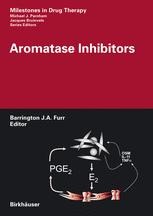
Aromatase Inhibitors
Many breast tumours are dependent upon oestrogen for their development and continued growth. Over the last 25 years hormone therapy has progressed from the irreversible destruction of endocrine glands to the use of drugs that reversibly suppress oestrogen synthesis or action. The inhibition of oestrogen synthesis is most readily achieved by inhibiting the final step in the pathway of oestrogen biosynthesis, the reaction which transforms androgens into oestrogens by creating an aromatic ring in the steroid molecule (hence the enzyme's trivial name, aromatase). Whereas the first aromatase inhibitors to be used therapeutically could be shown to produce drug-induced inhibition of the enzyme and therapeutic benefits in patients with breast cancer, they were not particularly potent and lacked specificity. However, second-generation drugs were developed and most recently third-generation inhibitors have evolved which possess remarkable specificity and potency. Initial results from clinical trials suggest that these agents will become the cornerstones of future endocrine therapy.
Aromatase Inhibitors
Many breast tumours are dependent upon oestrogen for their development and continued growth. Over the last 25 years hormone therapy has progressed from the irreversible destruction of endocrine glands to the use of drugs that reversibly suppress oestrogen synthesis or action. The inhibition of oestrogen synthesis is most readily achieved by inhibiting the final step in the pathway of oestrogen biosynthesis, the reaction which transforms androgens into oestrogens by creating an aromatic ring in the steroid molecule (hence the enzyme's trivial name, aromatase). Whereas the first aromatase inhibitors to be used therapeutically could be shown to produce drug-induced inhibition of the enzyme and therapeutic benefits in patients with breast cancer, they were not particularly potent and lacked specificity. However, second-generation drugs were developed and most recently third-generation inhibitors have evolved which possess remarkable specificity and potency. Initial results from clinical trials suggest that these agents will become the cornerstones of future endocrine therapy.
Antiviral drug discovery and development
Summarizes antiviral drug design and discovery approaches Provides the latest update in the field of antiviral therapeutics Includes antiviral research of coronaviruses

Anticoagulants
Anticoagulant are drugs that, when added to blood, prevents it from clotting. It does this by suppressing the synthesis or function of various clotting factors that are normally present in the blood. These drugs are frequently used to prevent the formation of blood clots (thrombi) in the veins or arteries or the enlargement of a clot that is circulating in the bloodstream. Anticoagulants are very effective in preventing life-threatening conditions...

Angiotensin converting enzyme inhibitors and application
It is now a little over 10 years since the introduction of drugs that inhibit the angiotensin converting enzyme (ACE). Angiotensin converting enzyme inhibitors are a class of oral medications that act primarily through blockade of the angiotensin converting enzyme. This enzyme converts angiotensin I to angiotensin II. Angiotensin II causes vasoconstriction increasing afterload, thus increasing systemic blood pressure. Angiotensin contributes to the production of aldosterone, which normally acts to retain sodium and water.

Analysis file of drug-induced lung injury : expert opinion for analysis of big data
Describes the pathologic conditions of drug-induced lung injuries, monitoring strategies, and guides on how to interpret the evidence. It also dives into particular drugs that caused the disorder, such as EGFR inhibitors, anti-EGFR antibodies, mTOR inhibitors, proteasome inhibitors, immune checkpoint inhibitors, neoangiogenesis inhibitors, and other molecular targeted drugs. It outlines the analysis and interpretation of the post-marketing survey on surveillance of each drug for inducing pulmonary lesions presenting diffuse haziness. The data and analysis from this survey are valuable since a guideline is yet to be established due to limited clinical evidence and cases. As new drugs are developed, establishing treatment and event management is crucial.
Alzheimers Disease
Alzheimer’s disease (AD) is a neurodegenerative disease that robs the minds of our elderly population. Approximately one in every eight adults over the age of 65 and nearly half of those over 85 are afflicted with this disease. The aging population in developed societies will impose an ever increasing socioeconomic threat in the future. Current medicines for AD patients are mainly symptomatic treatments and a huge unmet medical need exists to slow the progression of this disease. A great deal of research has been dedicated to understanding the pathogenesis of AD from which comes many ideas for intervening with its progression. Some of these ideas have been fast-tracked to clinical trials due to the availability of medicines with proven clinical efficacies for other diseases (e.g. atorvastatin, simvastatin, rosiglitazone and clioquinol) while others represent novel chemical entities (e.g. glycogen synthase kinase-3 inhibitors).
Advances in Targeted Cancer Therapy
This volume is the first book to cover the general topic of targeted cancer therapy. It presents a range of targets such as tumor angiogenesis, cell cycle control and cell signalling, COX-2, apoptosis/cell survival, invasion and metastasis and approaches like kinase inhibitors, antisense, and antibody-based therapeutics. The emphasis is on preclinical development, including target validation, development of biomarkers, strategies for combination approaches, and development of resistance. The particular challenges involved in translating these data to clinical application are discussed.
37th Hemophilia Symposium ; Epidemiology : Treatment of Inhibitors in Hemophiliacs ; Hemophilic Arthropathy and Synovitis ; Relevant Hemophilia Treatment 2006 ; Pediatric Hemostasiology; Free Lectures
This book contains the contribution to the 37th Hemophilia Symposium, Hamburg 2006. The main topics are epidemiolgy, treatment of inhibitors in hemophiliacs, hemophilic arthropathy and synovitis, relevant hemophilia treatment 2006, and pediatric hemostasiology.

36th Hemophilia Symposium Hamburg 2005 ; Epidemiology ; Hemophilia Therapy - Management of Bleedings and Inhibitors ; Orthopedic Treatment in Hemophiliacs ; Hemostaseologic Diagnosis; Pediatric Hemostaseology ; Free Lectures
This book contains main topics are epidemiolgy, hemophilia therapy, orthopedic treatment in hemophiliacs, hemostaseologic diagnosis and pediatric hemostaseology. The volume is rounded off by numerous free papers and posters on hemophilia, inhibitors in hemophilia and diagnostics.
35th Hemophilia Symposium Hamburg 2004 ; epidemiology ; risk of infections and inhibitors in hemophilia ; chronic lic synovitis and long-term results of orthopedic treatment ; laboratory diagnostics : coagulation factors ; inhibitors, monitoring ; pediatric hemostaseology ; Free Lectures
Motion analysis as introduced 2 years ago on a national basis effectively identifies individual functional disorders and provides a means for describing them on the basis of a score. Individual therapy planning is possible. More treatment tends to produce better function scores and thus helps to lower the strain on the joint.

34th Hemophilia symposium Hamburg 2003 ; HIV infection and epidemiology ; Management of bleedings in hemophiliacs with inhibitors ; orthopedic problems and therapy in hemophiliacs ; Therapy with protein C ; Pediatric Hemostaseology ; Free Lectures
This book contains the contributions to the 34th Hemophilia Symposium, Hamburg 2003. The main topics are HIV infection and epidemiology, management of bleedings in hemophiliacs with inhibitors, orthopedic problems and therapy in hemophiliacs, therapy with protein C and pediatric hemostaseology. The volume is rounded off by numerous free papers and posters on hemophilia, hemophiliacs with inhibitors, thrombophilia and molecular diagnostics.
