



الصفحة 2
الصفحة 2

Molecular Neurosurgery with Targeted Toxins
Focuses on the highly successful use of the immunotoxins, 192 IgG-saporin and ME20.4-saporin, to lesion the cholinergic basal forebrain in order to model the behavior, anatomy, physiology, and pharmacology of Alzheimer's disease in animals. Also discussed are the uses of anti-DBH-saporin immunotoxin to make remarkably selective lesions of catecholaminergic neurons, hypocretin-saporin that can produce narcoleptic animals, and other saporin conjugates, such as neuropeptide-saporin conjugates for pain research and cholera toxin B chain-saporin to produce a model of central nervous system demyelination. Overview perspectives and, in some cases, more practical details are provided that allow the reader to appreciate exactly what is involved in using these agents. Both practical and theoretical, Molecular Neurosurgery With Targeted Toxins provides readers with not only the background to understand these techniques, but also numerous real-life examples that can be readily adapted to new purposes and an ever-increasing number of new targeted toxins.
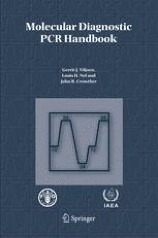
Molecular Diagnostic PCR Handbook
PREFACE The Joint FAO/IAEA Division of Nuclear Techniques in Food and Agriculture is involved in agricultural research and development and assists Member States of FAO and IAEA in improving strategies to ensure food security through the use of nuclear techniques and related biotechnologies, where such techniques have a valuable and often unique role. In particular, molecular diagnostic methods have rapidly evolved in the past twenty years, since the advent of the Polymerase Chain Reaction (PCR). They are used in a wide range of agricultural areas such as, improving soil and water management; producing better crop varieties; diagnosing plant and animal diseases; controlling insect pests and improving food quality and safety. The uses of nucleic acid-directed methods have increased significantly in the past five years and have made important contributions to disease control country programmes for improving national and international trade. These developments include the more routine use of PCR as a diagnostic tool in veterinary diagnostic laboratories. However, there are many problems associated with the transfer and particularly, the application of this technology. These include lack of consideration of: the establishment of quality-assured procedures, the required set-up of the laboratory and the proper training of staff. This can lead to a situation where results are not assured. This book gives a comprehensive account of the practical aspects of PCR and strong consideration is given to ensure its optimal use in a laboratory environment. This includes the setting-up of a PCR laboratory; Good Laboratory Practice and standardised of PCR protocols.

Modern treatments for chronic blood diseases
Blood is a body fluid in humans and other animals that delivers necessary substances such as nutrients and oxygen to the cells and transports metabolic waste products away from those same cells. In vertebrates, it is composed of blood cells suspended in blood plasma. Plasma, which constitutes 55% of blood fluid, is mostly water (92% by volume), and contains proteins, glucose, mineral ions, hormones, carbon dioxide (plasma being the main medium for excretory product transportation), and blood cells themselves. Albumin is the main protein in plasma, and it functions to regulate the colloida osmotic pressure of blood. The blood cells are mainly red blood cells (also called RBCs or erythrocytes), white blood cells (also called WBCs or leukocytes) and platelets (also called thrombocytes). Thalassemias are inherited blood disorders characterized by decreased hemoglobin production Symptoms depend on the type and can vary from none to severe. Often there is mild to severe anemia (low red blood cells or hemoglobin). Anemia can result in feeling tired and pale skin. There may also be bone problems, an enlarged spleen, yellowish skin, and dark urine. Slow growth may occur in children.
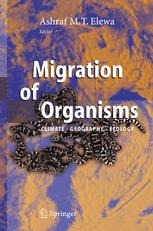
Migration of organisms : Climate. geography. ecology
The editor presents a suitable collection of topics, to achieve the goal of this book, which is explaining the migration of organisms through many examples of different groups of marine and non-marine organisms, ranging from micro-invertebrates to large vertebrates (mammals), and focusing on several aspects that are not collected together.

Micro-Tomographic Atlas of the Mouse Skeleton
Micro-Tomographic Atlas of the Mouse Skeleton serves as an essential guide containing unique systematic description of all calcified components of the mouse. This detailed atlas fulfils an emerging need for high resolution anatomical details as mice become a standard laboratory animal in skeletal research and the use of m CT technology is rapidly increasing as a key analytical tool in the study of bone.
Methods in Gut microbial ecology for ruminants
As a result of various human activities, such as increase in human population,decrease in arable land due to soil degradation, urbanization, industrialization and associated increase in the demand for livestock products, dramatic changes are occurring in the global ruminant livestock sector. These changes includeshift inthesize of regional livestock populations and in the types of management and feeding systems under which ruminant livestock are held, and increased demand of a wider range of quality attributes from animal agriculture, not just of the products themselves but also of the methods used in their production. The livestock sector will need to respond to new challenges of increasing live stock productivity while protecting environment and human health and conservingbiodiversity and natural resources. The micro-organisms in the digestive tracts of ruminant livestock have a profound in?uence on the conversion offeedinto end products, which can impact on the- imal and theenvironment. As the livestock sector grows particularly in developing countries, there will be an increasing need to understand these processes for b- ter management and use ofbothfeed and other natural resources that underpinthe development of sustainable feeding systems.

Metabolomics : The frontier of systems biology
Metabolism is the sum of the chemical reactions in cells that produce life-sustaining chemical energy and metabolites. In the post-genome era, metabolism has taken on new significance for biological scientists: metabolites are the chemical basis of phenotypes that are final expressions of genomic information. This book covers research on metabolomics, ranging from the development of specialized chemical analytical techniques to the construction of databases and methods for metabolic simulation. The authors have been directly involved in the development of all the subject areas, including capillary electrophoresis, liquid chromatography, mass spectrometry, metabolic databases, and metabolic simulation. Breakthrough achievements and the future of metabolome studies are described, making this book a valuable source for researchers in metabolomics in diverse fields, such as plant, animal, cellular, microbial, pharmaceutical, medical, and genetic sciences.

Memory B-cells : Methods and protocols
Details in methods to assess memory B cell formation and function in mice and humans. Chapters guide readers through tetramer-based methods to assess antigen-specific memory B cell dynamics in humans and mice in different vaccine, next-generation deep-sequencing, single-cell techniques to assess epigenomic, VDJ landscapes, lymph node aspirates from humans, advanced imaging, murine models to determine memory B cells formation, and bioinformatic techniques and in silico modelling of memory b cell formation. Written in the highly successful Methods in Molecular Biology series format, chapters include introductions to their respective topics, lists of the necessary materials and reagents, step-by-step, readily reproducible laboratory protocols, and key tips on troubleshooting and avoiding known pitfalls.

Memories : Molecules and Circuits
This volume surveys the recent advances and provides an integrative view of molecular, cellular, and systems level mechanisms underlying cognitive processes in both animals and humans. Current state of the art and future avenues are discussed by distinguished scientists who provide not only an overview of the underlying neurobiology of cognitive processes from a basic science standpoint, but who also focus on clinical and therapeutic aspects surrounding impairments associated with disorders that affect cognition.

Meat Biotechnology
The main goal of this book is to provide the reader with the recent developments in biotechnology and their applications in the meat processing chain. To achieve this goal, the book is divided into four parts. The first part deals with the use of modern biotechnology applied to farm animals. The second part focuses on the recent biotechnological developments in starter cultures for better meat fermentation. The third part discusses current approaches to improve the quality and nutritional properties of meats. The final part presents the latest advances in protection against foodborne pathogens, and other recent trends in the field. Written by distinguished international contributors, this book brings together the advances in such varied and different biotechnological topics
Measuring Methane Production from Ruminants
The world’s livestock sector is amidst a major transformation, fuelled by high demand for meat and milk, which is likely to double over the next two decades in developing countries. The challenge is to enhance animal productivity without adversely affecting the environment. A key to this is reducing methane emissions from ruminants. The major limitation to ruminant production in many tropical regions of Africa, Asia and Latin America, where a large proportion of the global ruminant population is located, is poor nutrition. The productivity of animals is restricted by the low nitrogen and high fibre content of the native grasses and crop residues, which form the basis of the diets in these regions. Animals on these types of diets emit more methane than animals fed better quality temperate forages. These methane emissions represent a loss of digestible energy to the animal (up to 15%) as well as a threat to the environment.The challenge is to devise nutritional strategies and identify dietary components, particularly from locally available plant resources, that reduce methane emissions.
Iron Nutrition in Plants and Rhizospheric Microorganisms
This book uses an interdisciplinary approach to provide a comprehensive review on the status of iron nutrition in plants. International scientists discuss research on acquisition of iron by strategy I and strategy II plants. These reviews summarize a variety of plant species and include both laboratory and field observations. Topics covered in this book include: plants as a source of iron for animals and humans, iron translocation in the plants, iron-stimulated activities that influence crop yield and fruit tree productivity, iron uptake by plants as influenced by microorganisms (i.e. free living soil microorganisms, symbiotic nitrogen-fixing and pathogenic bacteria), the role of plant hormones in iron transport, iron-metal competition in phytoremediation, root zone activities involving interactions between minerals and organic matter, the role of microbial siderophores in rhizospheric iron cycling, iron storage as phytoferritin, proteomic and metabolic studies associated with iron stress response, methods for studying iron metabolism including stable isotopes, and the correction of iron deficiency through the use of synthetic or natural chelates.

Introduction to toxicology
Charts the evolution of the field of toxicology, from the use of natural toxins by ancient tribes through the developments established by Paracelsus, and progresses through to the current topics in the public interest. For centuries, the study of toxicology has fascinated students. The book begins with basic toxicological principles, including an historical summary, dose-response relationships (NEW chapter), exposure-response relationships (NEW chapter), disposition, and metabolism of xenobiotic toxic substances. Other important new chapters include target organ toxicity, toxicity of carcinogenic agents and new and updated concepts in toxicity testing, and antidotes and treatment of poisonings. In all, nine new or expanded chapters from the third edition are advanced. Current concerns about the effects of therapeutic drugs, carcinogens, industrial toxins, pesticides, and herbicides on human health, animal welfare, and the stability and maintenance of the ecosystem continue to highlight toxicology as an important and growing scientific discipline.

Introduction to Epigenetics
This textbook leads the reader from basic concepts of chromatin structure and function and RNA mechanisms to the understanding of epigenetics, imprinting, regeneration and reprogramming. The textbook treats epigenetic phenomena in animals, as well as plants.

Intestinal Microorganisms of Termites and Other Invertebrates
Soil microorganisms play a major role in the degradation and recycling of organic material. Microbes are involved in the food web and strongly contribute to soil fertility. In the past, attention was mainly directed towards free-living or particle-bound microorganisms, while the role of intestinal microbes of soil animals has been neglected. For the first time, "Intestinal Microorganisms of Termites and Other Invertebrates" focuses on the microbes in gut systems of soil animals. It starts with a profound overview of the biology of soil invertebrates. A major part deals with the gut microbiota of termites, the best investigated gut system of invertebrates. Termites are important soil processors in tropical and subtropical regions. Insight is given into the intestinal microbiota of further relevant primary litter decomposers, such as earthworms, springtails, millipeds, and woodlice. Novel techniques for studying intestinal microbes complete the volume.

Intermittent fasting
The potential benefits of intermittent fasting are not limited to weight loss and weight management. Recent studies have shed light on its role in adaptive cellular responses that reduce oxidative damage and inflammation, optimize energy metabolism and bolster cellular protection. By reprogramming metabolic and stress resistance pathways, intermittent fasting has the possible ability to increase longevity and reduce aging. Studies on animals have given promising result that show how intermittent fasting help prevent and treat diseases like diabetes, cancers, heart disease and neurodegeneration. Major mechanisms hypothesized to link fasting regimens with human health: circadian biology and the gastrointestinal microbiota.

Innovative Medicine : Basic Research and Development
Devoted to innovative medicine, comprising the proceedings of the Uehara Memorial Foundation Symposium 2014. It remains extremely rare for the findings of basic research to be developed into clinical applications, and it takes a long time for the process to be achieved. The task of advancing the development of basic research into clinical reality lies with translational science, yet the field seems to struggle to find a way to move forward. To create innovative medical technology, many steps need to be taken: development and analysis of optimal animal models of human diseases, elucidation of genomic and epidemiological data, and establishment of “proof of concept”.

Innate Immunity of Plants, Animals, and Humans
This book wants to give an overview of our current knowledge about the innate immune system of plants, animals and humans. It not only covers the innate immune mechanisms and responses of so diverse organisms such as plants, Cnidaria, Drosophila, urochordates and zebrafish, but also the major receptor systems in mammalians and humans as well as the central defense mechanisms, antimicrobial peptides and the complement system.

Injecting Salmonella Bacteria in to the Tumor Cures Cancer
The human body is inhabited by millions of tiny living organisms like good bacteria. We acquire these bacteria during birth and the first years of life, and they live with us throughout our lives. The human microbiomes are involved in healthy growth, in protecting the body from invaders, in helping digestion, and in regulating moods, but sometimes these bacteria can also be harmful. We need to take good care of our health to avoid the development of some diseases, like salmonella for example. Salmonella infections in humans can range from self-limiting gastroenteritis typically associated with non-typhoidal Salmonella (NTS) to typhoidal fever, which can be life-threatening. Salmonellosis causes considerable morbidity and mortality in both humans and animals, and has a significant socioeconomic impact worldwide.

Inherited inborn errors in amino acids metabolism
Proteins are the most abundant organic molecules in animals, playing important roles in all aspects of cell structure and function. Proteins are biopolymers of acids, so named because the amino group is bonded to the carbon atom, next to the carbonyl group.
