



الصفحة 18
الصفحة 18

Formal Methods in Systems Biology ; 1st International Workshop, FMSB 2008, Cambridge, UK, June 4-5, 2008. Proceedings
This book constitutes the refereed proceedings of the First International Workshop on Formal Methods in Systems Biology, FMSB 2008, held in Cambridge, UK, in June, 2008.The 9 revised full papers presented were carefully reviewed and selected from the workshop lectures that all were invited contributions. The purpose of this meeting was to identify techniques for the specification, development and verification of biological models. It also focused on the design of tools to execute and analyze biological models that can significantly advance our understanding of biological systems.

Formal Methods for Computational Systems Biology ; 8th International School on Formal Methods for the Design of Computer, Communication, and Software Systems, SFM 2008 Bertinoro, Italy, June 2-7, 2008 Advanced Lectures
This volume presents the set of papers accompanying the lectures of the eighth International School on Formal Methods for the Design of Computer, Com- nication, and Software Systems (SFM). This series of schools addresses the use of formal methods in computer science asaprominent approach to theri gorousdesign of computer, communication, and software systems. The main aim of the SFM series is to ofer a good spectrum of current research in foundations as well as applications of formal methods, which can be of help for graduate students and young researchers who intend to approach the feld.
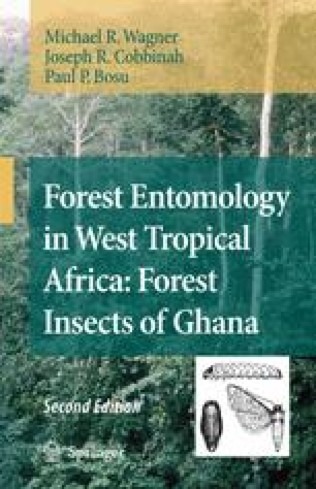
Forest Entomology in West Tropical Africa : Forests Insects of Ghana
The forests of West Africa are complex, beautiful and under continued threat of over exploitation. This monograph, in its second edition, remains the only comprehensive source of information on economically important forest insects in West Africa. Many pest insects discussed in this book have the potential to greatly alter the utilization of these valuable tropical forests. Several key pests such as mahogany shoot borer, odum gallfly and pests of endangered tree species like Pericopsis, are extensively discussed. This comprehensive treatise of insects includes information on the general forest cover types and insects of utilitarian value. The book will be a great value to foresters, forest entomologists, researchers, conservation biologists and others with a basic biological interest in West Africa forests.
Forensic neuropathology and associated neurology
Incorporating the most recent literature and state-of-the-art methods, this practical work and atlas covers the entire domain of neuropathology for forensic pathologists as well as for specialists in associated fields. Its concise, direct style provides the reader with succinct and easy-to-find answers to forensic, pathological, pathophysiological, biomechanical, and molecular biology problems.

Forces, Growth and Form in Soft Condensed Matter : At the Interface between Physics and Biology
This volume comprises the proceedings of a NATO Advanced Study Institute held at Geilo, Norway, 24 March - 3 April 2003, the seventeenth ASI in a series held every two years since 1971. The objective of this ASI was to identify and discuss areas where synergism between modern physics, soft condensed matter and biology might be most fruitful. The main pedagogical approach was to have lecturers focussing on basic understanding of important aspects of the relative role of the various interaction- electrostatic, hydrophobic, steric, conformational, van der Waals etc. Soft condensed matter and the connection between physics and biology have been the themes of several earlier Geilo Schools. A return to these subjects thus allowed a fresh look and a possibility for defining new directions for research. Examples of soft materials, which were discussed at this ASI, included colloidal dispersions, gels, biopolymers and charged polymer solutions, polyelectrolytes, protein/membrane complexes, nucleic acids and their complexes. Indeed, most forms of condensed matter are soft and these substances are composed of aggregates and macromolecules, with interactions that are too weak and complex to form crystals spontaneously. A characteristic feature is that small external forces, slight perturbations in temperature, pressure or concentration, can all be enough to induce significant structural changes. Thermal fluctuations are almost by definition strong in soft materials and entropy is a predominant determinant of structure, so that disorder, slow dynamics and plastic deformation are the rule. Hence the phrase ‘soft condensed matter’ has been coined.

Foodborne Parasites
Microbiologists are being challenged as foodborne outbreaks are increasingly being observed worldwide. Most of these outbreaks are associated with viral and bacterial pathogens such as Campylobacter, Salmonella, and lately Escherichia coli O157:H7.Foodborne Parasites examines the two major parasite groups that are transmitted via water or foods: the protozoa, which are single celled organisms, and the helminths. The helminths are classified in three sub groups: cestodes (tapeworms), nematodes (round worms), and trematodes (flukes). To better understand their significance, each chapter covers the biology, mechanisms of pathogenesis, epidemiology, treatment, and inactivation of these parasites.

Foodborne Microbial Pathogens : Mechanisms and Pathogenesis
The author presents up-to-date information on molecular and cellular mechanism of several major foodborne microbial pathogens, including select agents for bioterrorism, virulence genes and their regulation in the host or the food environment, pathogenicity testing models, clinical symptoms, and prevention and control strategies. In order to understand the disease process, one must have certain understanding about the role of the immune system. Thus this book also covers the host parasite interaction to a level where the readers will have a better appreciation for the disease mechanism.

Foodborne bacterial pathogens : Methods and protocols
This updated volume presents a compilation of various representative techniques and approaches currently used to study bacterial foodborne pathogens. Chapters guide the reader through bacterial pathogen detection and quantification in food, molecular, phenotypic, metabolic characterization of food pathogens, and ecology of foodborne bacterial pathogens. Written in the highly successful Methods in Molecular Biology series format, chapters include introductions to their respective topics, lists of the necessary materials and reagents, step-by-step, readily reproducible laboratory protocols, and key tips on troubleshooting and avoiding known pitfalls.

Food nanotechnology
Nanotechnology is increasingly being utilized within the food industry to create innovative products with new or improved properties. This book introduces the history of nanotechnology applications in the food industry. It then discusses the key physicochemical and structural characteristics of the different kinds of nanoparticles found in foods, as well as showing how these characteristics lead to their unique functional attributes. Applications of nanotechnology in the food and agricultural industries are then covered, including the creation of nanopesticides, nanofertilizers, nutrient delivery systems, functional ingredients, smart packaging materials, nanofilters, and sensors, as well as for the conversion of waste materials into value-added products. Finally, the potential toxicity of both organic and inorganic nanoparticles found in foods is critically assessed. The author is a Distinguished Professor of food science who uses physics, chemistry, and biology to improve the quality, safety, and healthiness of foods. He has published over a thousand scientific articles and numerous books in this area and is currently the most highly cited food scientist in the world. He has won numerous awards for his scientific achievements.

Food Materials Science : Principles and Practice
Food manufacture is about producing billions of units of standardized products which must be cheap, nutritious, safe and appealing to the consumer’s taste. Food products are complex multicomponent and structured edible materials that nevertheless must comply with the laws of physics and fundamentals of engineering sciences. In the last 20 years the design of food products with specific functionalities has advanced significantly by the application of scientific knowledge from disciplines such as polymer physics, colloidal and mesoscopic physics, materials science and new imaging and probing techniques borrowed from chemistry, biology and medicine. Our knowledge of the relationship between microstructure, processing, and macroscopic properties continues to increase as the science of food materials advances at a fast pace.

Food Engineering : Integrated Approaches
Food Engineering: Integrated Approaches presents an up-to-date review of important food engineering concepts, issues and recent advances in the field. Distinguished food engineers and food scientists from key institutions worldwide have contributed chapters that provide a deep analysis of their particular subjects. At the same time, each topic is framed within the context of a broader more integrated approach, demonstrating its relationship and interconnectedness to other areas. The premise of this work, therefore, is to offer both a comprehensive understanding of food engineering as a whole and a thorough knowledge of individual subjects. This approach appropriately conveys the basic fundamentals, state-of-the-art technology, and applications of the involved disciplines.

Focus on bacterial biofilms
Bacterial biofilms are colonies of bacterial cells embedded in their self-produced matrix composed of polysaccharides, DNA, and proteins. They protect bacterial cells against antibiotics, antibacterial agents, soaps and detergents, and shear stress. Some of the most common biofilm-associated infections in humans include urinary tract infections, infection of wounds and surgical sites, diabetic foot ulcers, dental caries (tooth decay) and gingivitis (gum inflammation), ventilator-associated infections, sinusitis, microbial keratitis, secondary infection related to Covid-19 and other viral infections, and so on. Bacterial resistance to common antibiotics (e.g., penicillin, gentamycin, erythromycin, ciprofloxacin, etc.) is driving us to a catastrophic failure of our health systems. Strategies to develop novel antibacterial agents and technology must be prioritized to combat and eradicate biofilms and their associated challenges. This book provides a comprehensive overview of biofilms with chapters on bacterial virulence factors, quorum sensing in bacteria, antimicrobial resistance in bacteria, strategies to develop new antibacterial agents, and much more.
Fluorescence Spectroscopy in Biology : Advanced Methods and their Applications to Membranes, Proteins, DNA, and Cells
This volume - the third book in the Springer-Verlag Series on Fluorescence - reviews some of the most characteristic topics of the multidisciplinary area of fluorescence applications in life sciences either presendted directly at th 8th MAF Conference or considered to be a cruical development in the field. In the initial contribution in Part 1 - Basics and Advanced Approaches, the - itors explain the basics of fluorescence and illustrate the relationship between some modern fluorescence techniques and classical approaches. The second contrigution by B.
Fluorescence of supermolecules, polymers, and nanosystems
The field of fluorescence continues to steadily grow, both in its fundamental aspects and in applications in highly interdisciplinary areas including analytical, physical and organic chemistry, molecular sciences, biology, biomedicine and medical research. The 4th volume in the Springer Series on Fluorescence focuses on the fluorescence of nanosystems, polymers and supermolecules, and the development and application of fluorescent probes. Special emphasis is placed on the fluorescence of artificial and biological nanosystems, single molecule fluorescence and the luminescence of polymers, micro- and nanoparticles and nanotubes. Fluorescence microscopy and fluorescence correlation spectroscopy are covered as well. Historical aspects of this growing field and an overview of fluorescence applications are also provided.
Flowing Matter
This book presents an introduction to selected research topics in the broad field of flowing matter, including the dynamics of fluids with a complex internal structure -from nematic fluids to soft glasses- as well as active matter and turbulent phenomena. Flowing matter is a subject at the crossroads between physics, mathematics, chemistry, engineering, biology and earth sciences, and relies on a multidisciplinary approach to describe the emergence of the macroscopic behaviours in a system from the coordinated dynamics of its microscopic constituents. Depending on the microscopic interactions, an assembly of molecules or of mesoscopic particles can flow like a simple Newtonian fluid, deform elastically like a solid or behave in a complex manner. When the internal constituents are active, as for biological entities, one generally observes complex large-scale collective motions. Phenomenology is further complicated by the invariable tendency of fluids to display chaos at the large scales or when stirred strongly enough. This volume presents several research topics that address these phenomena encompassing the traditional micro-, meso-, and macro-scales descriptions, and contributes to our understanding of the fundamentals of flowing matter.
Flower Breeding and Genetics : Issues, Challenges and Opportunities for the 21st Century
This book provides a unique and valuable resource on the many issues and challenges facing flower breeders, as well as the industry at-large. In this volume, the first comprehensive assemblage of its kind, a team of 32 international authorities has contributed to make this book a ‘must-have’ reference to research and develop flower crops for the 21st century consumers. Part 1 of this book (flower breeding program issues) contains unique features of interest to horticultural professionals and students, include coverage of plant protection strategies, cultivar trialing methodology, germplasm collection/preservation, preventing invasiveness, and other timely topics. The collective body of knowledge for 24 flower crops (Part 2: Crop-specific Breeding and Genetics) represents the in-depth science and art of breeding technology available for bedding plants, flowering potted plants, cut flowers, and herbaceous perennials. Each author provides crop-specific history, evolution, biology, taxonomy, state-of-the-art breeding/genetics, classical/molecular technologies, species traits, interspecific hybridization, and directions for future development/enhancement.
Fish Histology : Female Reproductive Systems
This volume describes the myriad ways in which fish have approached problems of reproduction — it is an amply illustrated comparative study of the microscopic structure of the female genital systems of fish. The timing of its appearance is auspicious in that it coincides with the decline of the golden age of descriptive morphology. It is a compilation of thousands of micrographs — mostly electron micrographs — from classic works in the field and should prove valuable to investigators studying fish in areas such as ecology, physiology, and reproductive biology who may view histology as essential in their work but have little background in this area. It includes chapters on the origin of genital systems, the structure of ovarian follicles, mechanisms of ovulation, the cortical reaction, oviducts, oviparity, and amazing examples of viviparity.
Fish Bioacoustics
The study of how fish make and respond to sound has important implications for communication, physiology, behavior, and commercial techniques. Fish Bioacoustics, a new definitive volume on fish auditory systems, will interest investigators in both basic research of fish bioacoustics as well as investigators in applied aspects of fisheries and resource management. Topics cover structure, physiology, localization, and acoustic behavior as well as more applied topics such as using sound to detect and locate fish.
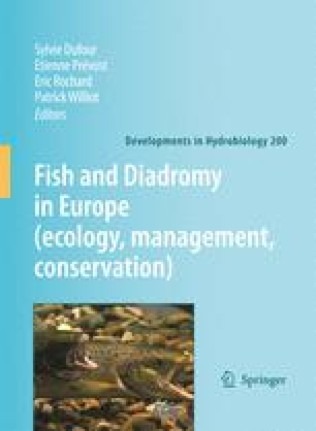
Fish and Diadromy in Europe (ecology, management, conservation)
This book contains selected papers from an international symposium organised by the Diadfish network held in Bordeaux (France) in 2005. Readers will find up-to-date information on the ecology, ecotoxicology and physiology of several diadromous species (Atlantic salmon, shads, lampreys, eels) and this whole group in Europe. Main impacts are also documented and analysed in case studies, and solutions or remediation actions are presented.

Finite Difference Computing with PDEs : A Modern Software Approach
This easy-to-read book introduces the basics of solving partial differential equations by means of finite difference methods. Unlike many of the traditional academic works on the topic, this book was written for practitioners. Accordingly, it especially addresses: the construction of finite difference schemes, formulation and implementation of algorithms, verification of implementations, analyses of physical behavior as implied by the numerical solutions, and how to apply the methods and software to solve problems in the fields of physics and biology.
