



الصفحة 13
الصفحة 13

Micro-, Meso- and Macro-Dynamics of the Brain
This book brings together leading investigators who represent various aspects of brain dynamics with the goal of presenting state-of-the-art current progress and address future developments. The topics cover the most fascinating facets of neuroscience from elementary computation of neurons, mesoscopic network oscillations, internally generated assembly sequences in the service of cognition, large-scale neuronal interactions within and across systems, the impact of sleep on cognition, memory and mental illness, brain controlled robots, motor-sensory integration, spatial navigation, large-scale computation and consciousness. Overall, this volume offers an integrated view of the challenges and opportunities in deciphering brain circuits in health and disease.

Micro-, Meso- and Macro-Connectomics of the Brain
Highlights cutting-edge methods that can accelerate progress in elucidating static ‘hard-wired’ circuits of the brain as well as dynamic interactions that are vital for brain function. The power of connectomic approaches in characterizing abnormal circuits in the many brain disorders that afflict humankind is considered. Experts in computational neuroscience and network theory provide perspectives needed for synthesizing across different scales in space and time. Altogether, this book provides an integrated view of the challenges and opportunities in deciphering brain circuits in health and disease.

Micro Cogeneration : Towards Decentralized Energy Systems
The need for replacement is an extremely important driving force for the current transformation, forcing conventional and new technologies to compete for a role in the future energy supply. The overall transformation of electricity systems is neither driven nor shaped by technical or societal modifications alone, but rather by a rich diversity of processes in the realms of technology, politics, society and economy.
Micro and Nanomanufacturing
Engineers seeking more knowledge of how nano and micro devices are designed and fabricated will learn: Manufacturing and fabrication at the micro and nanoscales Using bulk and surface micromachining techniques, LiGA and deep x-ray lithography to manufacture semiconductors Producing master molds with micromachining The deposition of thin films, pulsed water drop machining, and nanomachining Mark J. Jackson is an Associate Professor in the Department of Mechanical Engineering Technology at Purdue University. His current research focuses on understanding the properties of materials in the field of micro scale metal cutting, micro and nano abrasive machining, and laser micro machining.

Micro and Nano Mechanical Testing of Materials and Devices
Nanoscale and nanostructured materials have exhibited different physical properties from the corresponding macroscopic coarse-grained materials due to the size confinement. As a result, there is a need for new techniques to probe the mechanical behavior of advanced materials on the small scales. Micro and Nano Mechanical Testing of Materials and Devices presents the latest advances in the techniques of mechanical testing on the micro- and nanoscales, which are necessary for characterizing the mechanical properties of low-dimensional materials and structures.

Micro- and Macro-Properties of Solids : Thermal, Mechanical and Dielectric Properties
Each of the eight chapters treats an important aspect of solid state physics, comprising a complete review of the particular field. Typically, a chapter starts with basic information about a property of a solid and the related experimental techniques. This is followed by a global overview which brings together all important contributions by different research workers in the field. This overview is comprehensive and covers essential literature over the past 60 years. Each chapter concludes with a detailed discussion of the contributions made by the chapter authors and their associates, in some cases spanning the last 45 years. In addition, Micro- and Macro-Properties of Solids provides data on new materials such as rare-earth metals, semiconductors, ferroelectrics, mixed-valence compounds, superionic conductors, optical and optoelectronic materials and biomaterials.

MICAI 2008 : Advances in Artificial Intelligence ;7th Mexican International Conference on Artificial Intelligence, Atizapán de Zaragoza, Mexico, October 27-31, 2008 Proceedings
The 96 revised full papers presented together with 2 invited lectures were carefully reviewed and selected from 363 submissions. The papers are organized in topical sections on logic and reasoning, knowledge-based systems, knowledge representation and acquisition, ontologies, natural language processing, machine learning, pattern recognition, data mining, neural networks, genetic algorithms, hybrid intelligent systems, computer vision and image processing, robotics, planning and scheduling, uncertainty and probabilistic reasoning, fuzzy logic, intelligent tutoring systems, multi-agent systems and distributed ai, intelligent organizations, bioinformatics and medical applications, as well as applications.
MICAI 2007 : Advances in artificial intelligence ; 6th Mexican International Conference on Artificial Intelligence, Aguascalientes, Mexico, November 4-10, 2007, Proceedings
The Mexican International Conference on Artificial Intelligence (MICAI), a yearly international conference series organized by the Mexican Society for Artificial Intelligence (SMIA), is a major international AI forum and the main event in the academic life of the country’s growing AI community.
MICAI 2006 : Advances in Artificial Intelligence ; 5th Mexican International Conference on Artificial Intelligence, Apizaco, Mexico, November 13-17, 2006, Proceedings
This volume contains the papers presented during the oral session of the 5 Mexican International Conference on Artificial Intelligence, held on November 13–17, 2006, at the Technologic Institute of Apizaco, Mexico. The conference received for evaluation 448 submissions by 1207 authors from 42 different countries

MICAI 2005 : Advances in Artificial Intelligence ; 4th Mexican International Conference on Artificial Intelligence, Monterrey, Mexico, November 14-18, 2005, Proceedings
Constitutes the refereed proceedings of the 4th Mexican International Conference on Artificial Intelligence, MICAI 2005, held Mexico, in November 2005. This book is organized in topical sections on knowledge representation and management, logic and constraint programming, uncertainty reasoning, multiagent systems and distributed AI, and others.

Methods of Legal Reasoning
The book attempts to describe and criticize four methods used in legal practice, legal dogmatics and legal theory: logic, analysis, argumentation and hermeneutics. Apart from a presentation of basic ideas connected with the above mentioned methods, the essays contained in this book seek to answer questions concerning the assumptions standing behind these methods, the limits of using them and their usefulness in the practice and theory of law. A specific feature of the book is that in one study four different, sometimes competing concepts of legal method are discussed. The panorama, sketched like this, allows one to reflect deeply on the questions concerning the methodological conditioning of legal science and the existence of a unique, specific legal method. The authors argue that there exists no such method.
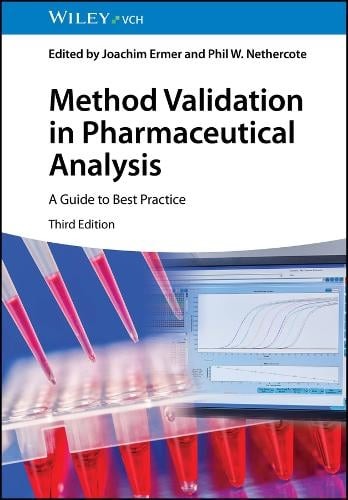
Method validation in pharmaceutical analysis
Provides hands-on information for readers involved in development, validation, and continued maintenance and evaluation of analytical procedures in pharmaceutical analysis. This newly revised and updated Third Edition includes much-needed interpretation of the most recent ICH guidelines for validation and method development, as well as recent publications of the USP on Analytical Procedure Lifecycle Management and the activities of the British Pharmacopeia AQbD Working Party. It also addresses hot topics in the field such as data integrity and continuous monitoring of analytical performance.
Metallopolymer Nanocomposites
Highly dispersed nanoscale particles in polymer matrices are currently attracting great interest in many fields of chemistry, physics and materials science. This book presents and analyzes the essential data on nanoscale metal clusters dispersed in, or chemically bonded with polymers. Special attention is paid to the in situ synthesis of the nanocomposites, their chemical interactions, and the size and distribution of the particles in the polymer matrix. Numerous novel nanocomposites are described with regard to their mechanical, electrophysical, optical, magnetic, catalytic and biological properties. Their applications, present and future, are outlined. The book is addressed both to researchers who actively use these materials and to students entering this multidisciplinary field.
Metalearning : Applications to Automated Machine Learning and Data Mining
This book as one of the fastest-growing areas of research in machine learning, metalearning studies principled methods to obtain efficient models and solutions by adapting machine learning and data mining processes. This adaptation usually exploits information from past experience on other tasks and the adaptive processes can involve machine learning approaches. As a related area to metalearning and a hot topic currently, automated machine learning (AutoML) is concerned with automating the machine learning processes. Metalearning and AutoML can help AI learn to control the application of different learning methods and acquire new solutions faster without unnecessary interventions from the user.

Metal Forming Practise : Processes - Machines - Tools
Economical and flexible, advanced metal-forming processes form the core of modern industrial production. This professional sourcebook presents the most important metal-working and shearing processes and the related machines and tooling - in a concise form that is supplemented by ample illustrations, tables and flow charts. Practical examples show how to calculate the forces and strain energy of the processes and the specific parameters of the machines, while exercises enable readers to check their comprehension.

Metabolomics : The frontier of systems biology
Metabolism is the sum of the chemical reactions in cells that produce life-sustaining chemical energy and metabolites. In the post-genome era, metabolism has taken on new significance for biological scientists: metabolites are the chemical basis of phenotypes that are final expressions of genomic information. This book covers research on metabolomics, ranging from the development of specialized chemical analytical techniques to the construction of databases and methods for metabolic simulation. The authors have been directly involved in the development of all the subject areas, including capillary electrophoresis, liquid chromatography, mass spectrometry, metabolic databases, and metabolic simulation. Breakthrough achievements and the future of metabolome studies are described, making this book a valuable source for researchers in metabolomics in diverse fields, such as plant, animal, cellular, microbial, pharmaceutical, medical, and genetic sciences.

Metabolome Analyses : Strategies for Systems Biology
Metabolome Analyses is intended as a follow-up to Metabolic Profiling: Its Role in Biomarker Discovery and Gene Function Analysis (Kluwer, 2003). That text offered guidelines to currently available technology, bioinformatics and databases. Evidence was presented showing metabolic profiling as a valuable addition to genomics and proteomics strategies devoted to drug discovery and development. This book focuses on how metabolic profiling is being more comprehensively integrated with the other "omics" technologies. It provides more practical applications of such "panomics" or "Systems Biology" approaches. The expanding use of mass spectrometry as a measurement technology in metabolic profiling is addressed through demonstrated applications. The integration of metabolic profiling and proteomics is probably most developed for plant-based studies, which was not addressed in Volume 1. Other areas related to metabolic profiling continue to show significant development. These include database strategies and an increased acceptance by the pharmaceutical industry of metabolic profiling. Also covered is the use of in silico metabolic networks. Again the focus is primarily on the pharmaceutical industry but the importance of metabolic profiling to studies on human nutrition (a burgeoning area) is discussed.

Messenger RNA therapeutics
Focuses on the fundamentals and applications of messenger RNA (mRNA)-based therapeutics and discusses the strengths and key challenges of this emerging class of drugs. In the past 30 years, extensive research and technological development in many areas have contributed to the emergence of in vitro transcribed mRNA as a therapeutic that has now reached clinical testing. Formulations that protect the mRNA from nucleases and accelerate its cellular uptake, combined with improvements to the mRNA molecules themselves, have been critical advancements for mRNAs to become viable therapeutics. Though once regarded as a serious impediment, the transient nature of mRNA technology is now considered a major advantage in making mRNA therapies safe and, ultimately, a potential game changer in the field of medicine. This new book in the RNA Technologies series provides a state-of-the-art overview on the emerging field of mRNA therapeutics covering essential strategies for formulation, delivery, and application. It also reviews the promising role in cancer immunotherapy, respiratory diseases, and chronic HBV infection and discusses RNA vaccines in light of the current COVID-19 pandemic. mRNA-based approaches have great potential to revolutionize molecular biology, cell biology, biomedical research, and medicine.
Meshfree Methods for Partial Differential Equations II
A Particle Strategy for Solving the Fokker-Planck Equation Modelling the Fiber Orientation Distribution in Steady Recirculating Flows Involving Short Fiber Suspensions.- Extended Meshfree Method for Elastic and Inelastic Media.- Meshfree Petrov-Galerkin Methods for the Incompressible Navier-Stokes Equations.- The ?-shape Based Natural Element Method in Solid and Fluid Mechanics.- A Particle-Partition of Unity Method Part VI: A p-robust Multilevel Solver.- Enriched Reproducing Kernel Approximation: Reproducing Functions with Discontinuous Derivatives.- Reproducing Kernel Element Interpolation: Globally Conforming I m/C n/P k Hierarchies.- Multi-scale Analysis Using Two Influence Radii in EFGM.- Solution of a Dynamic Main Crack Interaction with a System of Micro-Cracks by the Element Free Galerkin Method.- Finite Cover Method for Physically and Geometrically Nonlinear Problems.- A Numerical Scheme for Solving Incompressible and Low Mach Number Flows by the Finite Pointset Method.- SPH Renormalized Hybrid Methods for Conservation Laws: Applications to Free Surface Flows.- Discontinuous Radial Basis Function Approximations for Meshfree Methods.- Treating Moving Interfaces in Thermal Models with the C-NEM.- Bridging Scale Particle and Finite Element Methods.

MEMS/NEMS : (1) Handbook Techniques and Applications Design Methods, (2) Fabrication Techniques, (3) Manufacturing Methods, (4) Sensors and Actuators, (5) Medical Applications and MOEMS
Micro-Electro Mechanical Systems (MEMS) is the integration of mechanical elements, sensors, actuators, and electronics on a common silicon substrate. While the electronics are fabricated using integrated circuit (IC) process sequences (e.g., CMOS, Bipolar, or BICMOS processes),the micromechanical components are fabricated using compatible micromachining processes that selectively etch away parts of the silicon wafer or add new structural layers to form the mechanical and electromechanical devices. MEMS promises to revolutionize nearly every product category by bringing together silicon-based microelectronics with micromachining technology, thereby, making possible the realization of complete systems-on-a-chip.
