



الصفحة 12
الصفحة 12

Inhibitory Regulation of Excitatory Neurotransmission
This book reviews aspects of GABAA receptor function, as well as the properties of a variety of other important inhibitory proteins, such as GABAC receptors, G-protein coupled receptors (specifically, GABAB receptors, metabotropic glutamate receptors and neuropeptide receptors), glycine receptors, GABA transporters and potassium channels. In addition, the consequences of mutations that disrupt the regulation of excitatory neurotransmission, and efforts to target the GABAergic system for therapeutic benefit, are discussed.

Inhibitors of protein kinases and protein phosphates
The aims of this volume are to highlight the tremendous pharmacological potential of protein kinase and protein phosphatase inhibitors, to provide a thorough overview of the most remarkable achievements in the field and to illustrate how beneficial these studies can be for the advancement of both basic knowledge on biological regulation and deregulation and for the clinical treatment of a wide spectrum of diseases.
Influenza Vaccines for the Future
The threat constituted by the multiple outbreaks of avian influenza during the last few years is urgently calling for the development of new influenza vaccines. Fortunately, a quantum leap in technology has revolutionized the study of influenza and the engineering of new vaccine strains by reverse genetics. This volume provides a historical background and state-of-the-art information about the recent advances in the biology of influenza and the design of new influenza vaccines.

Inflammation in the Pathogenesis of Chronic Diseases : The COX-2 Controversy
In this book, a worldwide panel of leading experts discuss the role of inflammation in the pathogenesis of major chronic diseases and the current controversy regarding risk versus benefit of selective cyclooxygenase-2 (COX-2) inhibitors.

Infectious diseases from nature : Mechanisms of viral emergence and persistence
many outstanding virologists and others presented papers under the broad theme of "emergence". The intent was to elucidate the diseases themselves, the mechanisms by which they have emerged, the publication perception and response to the diseases, and the possibility of prevention or prediction. The papers in this book summarize the talks of this meeting.

Infectious Diseases and Substance Abuse
The influence of many drugs of abuse - licit and illicit - on immune function has been examined extensively over the years. This volume, part of the "Infectious Agents and Pathogenesis" series, examines a variety of drugs of abuse and how they affect the immune system

Induced Plant Resistance to Herbivory
This book provides a thorough overview of the anatomical, chemical, and developmental features contributing to plant defense, with particular emphasis on plant responses that are induced by wounding or herbivore attack. Written by leading experts.
Inclusions in Prokaryotes
The new series "Microbiology Monographs" begins with two volumes on intracellular components in prokaryotes. In this first volume, "Inclusions in Prokaryotes", the components, labeled inclusions, are defined as discrete bodies resulting from synthesis of a metabolic product.

In Vivo Models of Inflammation ; Vol. II
In Vivo Models of Inflammation (Vol. 2) provides biomedical researchers in both the pharmaceutical industry and academia with a description of the state-of-the-art animal model systems used to emulate diseases with components of inflammation.
In Vivo Models of Inflammation ; Vol. I
In Vivo Models of Inflammation (Vol. 1) provides biomedical researchers in both the pharmaceutical industry and academia with a description of the state-of-the-art animal model systems used to emulate diseases with components of inflammation.

In vivo Models of HIV Disease and Control
An AIDS vaccine is still elusive and HIV treatment continues to develop multidrug resistance at alarming rates. Because of the similarities between HIV and immune deficiency infections in a variety of animals, it is only natural that scientists use these animals as models to study pathogenesis, treatment, vaccine development and many other aspects of HIV. Part of the series Infectious Agents and Pathogenesis, this volume reviews the immune deficiency virus in a variety of hosts. Pathogenesis, vaccine and drug development, epidemiology, and the natural history of the monkey, mouse, cat, cow, horse, and other animal viruses are detailed and compared to HIV. Also included are chapters on the history and future of animal models, as well as a chapter on ethical and safety considerations in using animal models for AIDS studies.
In Vitro Culture of Mycorrhizas
biologists have made important progress in understanding better the functioning of AM fungi. An in vitro technique has been developed using mycorrhizal root organ cultures, which made it possible to investigate the genetics, cell biology and physiology of AM fungi. We can now be objective enough to critically evaluate the impacts the in vitro technique has had to improve our knowledge on mycorrhizal symbiosis.
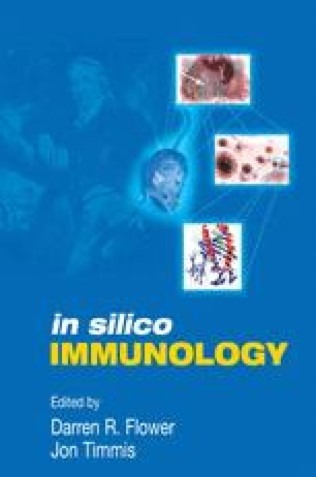
In Silico Immunology
"in silico Immunology" is a book for the future: it will summarize these emergent disciplines and, while focusing on cutting edge developments, will address the issue of synergy as it shows how these three are set to transform immunological science and the future of health care.
Improving Potassium Recommendations for Agricultural Crops
This book highlights concepts discussed at two international conferences that brought together world-renowned scientists to advance the science of potassium (K) recommendations for crops.
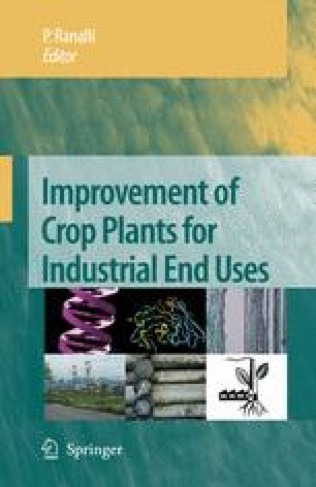
Improvement of Crop Plants for Industrial End Uses
This book provides concerns useful to promote an increase of the productivity of crops by using functional genomics (to understand the regulation of plant metabolism at molecular, cellular and whole plants), and the improvement of photosynthetic efficiency (to design new plants with enhanced raw materials percent and recovery).

Immunotherapy in 2020 : Visions and trends for targeting inflammatory disease
Features contributions from participants of the ESRF symposium on Immunotherapy in 2020-Visions and Trends for Targeting Inflammatory Diseases held in Potsdam near Berlin, Germany, in October 2006. The symposium presentations covered the main mechanisms of immunoregulation.

Immunosenescence
In this volume not only the mechanisms responsible for immune ageing in humans but consider what might be accomplished to redress the erosion of immune competence with age.

Immunology, phenotype first : How mutations have established new principles and pathways in immunology
This monograph deals with the impact of classical genetics in immunology, prov- ing examples of how large immunological questions were solved, and new fields opened to analysis through the study of phenotypes, either spontaneous or induced. As broad as biology has become, there are those who do not fully understand what the genetic approach is, and how it differs fundamentally from most of the methods available to natural scientists.

Immunology of Pregnancy
Reproductive Immunology is a growing area in both immunology and reproductive sciences and is helping us to better understand several complications of pregnancy. Immunology of Pregnancy is the first book to give a complete and up to date review of our knowledge related to the role of the immune system during pregnancy and the interactions between the placenta and the maternal immune system. This new title covers in detail all the different hypotheses and studies related to the immunology of implantation and provide a practical approach for the application of basic reproductive immunology research to pregnancy complications such as preeclampsia, pre-term labor and IUGR.

Immunology of fungal infections
Covers all aspects of the immunology of fungal infection. Beyond the basics, coverage includes recent developments in innate and adaptive immunological mechanisms involved in the host response to fungal infection.
