



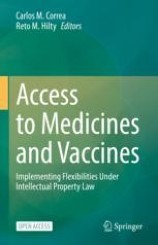
Access to medicines and vaccines : Implementing flexibilities under intellectual property law
This book is the outcome of a Global Forum on Innovation, Intellectual Property and Access to Medicines held in December 2019 at the Max Plank Instititute in Munich, organised by the South Centre and the Max Plank Institute. The academics and experts from international organisations participating have contributed chapters to this book. The book is for policy makers (in Ministries of Health, Ministries of Trade, Ministries of Foreign Affairs, patent offices), but also relevant for academics (law, trade, public health), on the flexibilities available in the Agreement on Trade Related Aspects of Intellectual Property Rights (TRIPS) of the World Trade Organization to promote access to medicines.
كتب مشابهة

Dynamic business law : The essentials
The importance and excitement of the law. We want them to be aware that business resides in an atmosphere of legal rights and responsibilities. The more they have an understanding of relevant law, the more their business activities will flourish. We tried to construct a book that contains the basics of business law but does not get bogged down in the kind of details that would be more appropriate in an upper-level law class.

ملائمة وسائل التحقيق التقليدية في إثبات الجريمة المعلوماتية The suitability of traditional investigation methods in proving cybercrime
يتحدث البحث بشكل أساسي على الأدلة الرقمية، وهي أدلة تُستخرج من الأجهزة الإلكترونية مثل الحواسيب والهواتف أو تُشتق من المعلومات الرقمية المتناثرة عبر شبكات الإنترنت، الهدف هو مواكبة التطور التكنولوجي السريع للجريمة عبر تطوير أدوات قانونية وتقنية خاصة بهذه الجرائم ، نظراً لقدرة الجناة على إخفاء الأدلة الرقمية وتعقيدها.

مفهوم الإرهاب في القانون الدولي و التمييز بينه وبين الكفاح المسلح The concept of terrorism in international law and the distinction between it and armed struggle
يتناول البحث موضوع التمييز بين الإرهاب والكفاح المسلح. فمع تزايد العمليات المسلحة وتعدد الجهات الفاعلة بات من الضروري توضيح الإطار القانوني الناظم لهذا التمييز، خاصة في ظل استغلال بعض الدول لمفهوم “الإرهاب” لقمع حركات التحرر كما تم تسليط الضوء على الثغرات القانونية القائمة، مما يساهم في تعزيز الفهم القانوني وتطوير الآليات الدولية لمكافحة الإرهاب بما لا يتعارض مع حق الشعوب في تقرير مصيرها

مسؤولية الدولة عن أضرار الذكاء الاصطناعي State responsibility for artificial intelligence damages
يركز هذا البحث على تحليل تأثير الذكاء الاصطناعي على كافة أعمال الإدارة العامة ، و يبرز تحدي رئيسي يتمثل في تحديد المسؤولية الإدارية عن الأضرار التي قد تنتج عن تطبيقات الذكاء الاصطناعي في هذه المجالات المتعددة. فمع تعميق الاعتماد على الأنظمة الذكية في المهام الإدارية تظهر إشكاليات قانونية وعملية حول مسؤولية الأخطاء الناجمة عن هذه الاستخدام، كما يطرح البحث مقترحات لتطوير تشريعات قادرة على مواكبة هذا التحول الرقمي.
