


تحسين النتائح
ترتيب حسب
من
الى

It is more evident now than ever before that dynamic organization of human genome into nucleoprotein structure, chromatin confers the unique regulatory mechanisms for most of the cellular phenomena, which include replication, transcription, DNA repair, recombination and also apoptosis. The dynamic nature of the chromatin is regulated by chromatin modifications (epigenetic alterations), remodeling, histone chaperones and functional interactions of different chromatin interacting n- histone proteins. Dysfunction of this highly inter connected machineries disturb the cellular homoeostasis, and thereby causes several diseases. As we advance in our knowledge of chromatin function and also disease mechanisms in more details, their causal relationship is becoming more evident. This has lead to the identification of chromatin function as target for new generation therapeutics.
This book summarizes the chemical, physical, biological and medical aspects of chlorophyll (and bacteriochlorophyll) research and development, with a focus on the tremendous progress achieved over the past 15 years. Each section has an up-to-date introductory overview which is followed by a series of concise well-focused and fully-referenced chapters written by experts in (bio)chemistry, (bio)physics, photobiology and photomedicine.

Cet ouvrage centré sur la chirurgie esthétique faciale repose sur une profonde connaissance de l'anatomie, de la physiologie et de l'étiopathogénie du vieillissement de la face. Les solutions thérapeutiques à visée esthétique sont développées mais en préservant toujours la fonction - gage d'un meilleur résultat immédiat et à plus long terme. Après un rappel du vieillissement cutané et de l'intérêt de l'utilisation de la toxine botulique, les aspects de la chirurgie esthétique de la face sont abordés à travers quatorze chapitres
This edition of Current Topics in Microbiology and Immunology examines the role of chemokines and chemokine receptors in host defense and disease development following viral infection. Chemokines represent a family of over 40 small proteins that, for the most part, are secreted into the environment and function by binding to G protein-coupled receptors (GPCRs) that are expressed on numerous different cell types. When initially identified close to 30 years ago, these molecules were associated with various human inflammatory diseases and it was recognized that expression may be integral in leukocyte recruitment to inflamed tissue. There are now four sub-families of chemokines identified based on defined structural criteria relating to the positional location of conserved cysteine residues within the amino-terminus of the protein. Chemokines are now recognized as important in numerous biological processes ranging from maintaining the organizational integrity of secondary lymphoid tissue to participating in various aspects of both innate and adaptive immune responses following microbial infection. With this in mind, this book highlights the functional roles of chemokines and their receptors in participating in various aspects of the immune response against well-known viral pathogens.
Presents both theoretical guidance and protocols on chemogenomics including chemogenomics library assembly, compound profiling, and phenotypic assays. The chapters in this book cover topics such as the assembly and use of Kinase Chemogenomics; data mining for chemogenomic compound candidates; protocols for protein family-focused assay systems to profile chemogenomic compounds; functional and target engagement assays in cellular settings for broad characterization; and a discussion on phenotypic assays where chemogenomic sets may be applied.
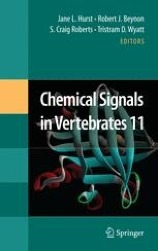
Presents the proceedings of "Chemical Signals in Vertebrates 11", hosted by the University of Liverpool and held July 25 - 28, 2006 at the University of Chester in the United Kingdom. Chemical Signals in Vertebrates 11 contains the latest research on chemical communication relevant to vertebrates, particularly focusing on new research since the last meeting in 2003. Topics covered include chemical ecology, biochemistry, behavior and neurobiology of both the main olfactory and vomeronasal systems of vertebrates, from amphibia to mammals including humans. A broad range of taxonomic groups and topics are discussed, including sections on new directions in semiochemistry, olfactory response and function, recognition within species, sexual communication, maternal-offspring communication, communication between species, and applications for zoo animal enrichment and pest control. The volume is dedicated to the memory of Dr. Bets Rasmussen and includes a special tribute chapter on her ground-breaking research on elephant communication.

Described the contents of food raw materials and products, the chemistry/biochemistry of food components, as well as the changes occurring during post-harvest storage and processing affecting the quality of foods. Discusses the role of chemical compounds in the structure of raw materials and the formation of different attributes of food quality, including nutritional value, safety, and sensory properties. It contains four new chapters: “Non-Protein Nitrogenous Compounds”; “Prooxidants and Antioxidants in Food”; “Non-Nutritive Bioactive Compounds in Food of Plant Origin”; and “Analytical Methods Used for Assessing the Quality of Food Products.”
Cerebral palsy is a lifelong condition that affects the individual, family, and immediate community. Therefore, the goal of allowing the individual with cerebral palsy to live life with the least impact of the disability requires c- plex attention to the individual and the family. Furthermore, society needs to be sensitive and to accommodate individuals with disabilities by limiting architectural impediments and providing accessible public transportation and communication. The educational system provides the key means for helping the individual prepare to function in society to his or her maximum ability. In many ways, the medical care system probably has the least sign- icant role in preparing the child with cerebral palsy to function optimally in society. However, the medical care system is the place where parents first learn that their child has developmental issues outside the expected norm. It is almost universally the place where parents also expect the child to be made normal in our modern society. In earlier times, the parents would expect healing to possibly come from the doctor, but also they would place hope for healing in religion. As this belief in spiritual or miraculous healing has - creased, a significant font of hope has decreased for parents of young ch- dren with disabilities.
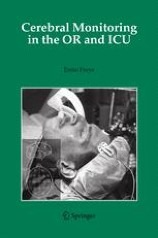
This comprehensive volume will serve as a complete guide to the clinical application of computer assisted systems in monitoring central nervous functions both in the OR and ICU. It presents practical guidelines and therapeutic indications for computerized EEG and Somatosensory Evoked Potential (SSEP) monitoring for the experienced user and the novice. The book also describes what cerebral monitoring can do and what its limitations are.
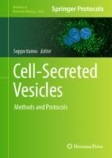
Pesents hands-on technological protocols used to target an array of cell-secreted extracellular vesicles (EVs) in a variety of biological systems. Beginning with methods for EV purification and analysis, the book continues with sections on the study of EV functions as well as specific systems and models allowing for the study of EVs of different origin. Written for the highly successful Methods in Molecular Biology series, chapters include introductions to their respective topics, lists of the necessary materials and reagents, step-by-step and readily reproducible laboratory protocols, and tips on troubleshooting and avoiding known pitfalls.
The biological sciences are dominated by the idea that cells are the functionally autonomous, physically separated, discrete units of life. This concept was propounded in the 19th century by discoveries of the cellular structuring of both plants and animals. Moreover, the ap parent autonomy of unicellular eukaryotes, as well as the cellular basis of the mammalian brain (an organ whose anatomy for a long while defied attempts to validate the idea of the cellular nature of its neurons), seemed to provide the final conclusive evidence for the completeness of *cell theory', a theory which has persisted in an almost dogmatic form up to the present day. However, it is very obvious that there are numerous observations which indicate that it is not the cells which serve as the basic units of biological life but that this property falls to some other, subcellular assemblage. To deal with this intricate problem concerning the fundamental unit of living matter, we proposed the so-called Cell Body concept which, in fact, devel ops an exceedingly original idea proposed by Julius Sachs at the end of the 19th century. In the case of eukaryotic cells, DNA-enriched nuclei are intimately associated with a microtubular cytoskeleton. In this configuration—as a Cell Body—these two items comprise the fundamental functional and struc tural unit of eukaryotic living matter. The Cell Body seems to be inherent to all cells in all organisms.
As our world continues to evolve, the field of regenerative medicine f- lows suit. Although many modern day therapies focus on synthetic and na- ral medicinal treatments for brain repair, many of these treatments and prescriptions lack adequate results or only have the ability to slow the p- gression of neurological disease or injury. Cell therapy, however, remains the most compelling treatment for neurodegenerative diseases, disorders, and injuries, including Parkinson’s disease, Huntington’s disease, traumatic brain injury, and stroke, which is expanded upon in more detail in Chapter 1 by Snyder and colleagues. Cell therapy is also unique in that it is the only therapeutic strategy that strives to replace lost, damaged, or dysfunctional cells with healthy ones.
The present book provides a comprehensive overview of our current knowledge on plastid biogenesis, plastid-nuclear communication, the regulation of plastid gene expression at all levels, and also assesses the state of the art in key technologies, such as proteomics and chloroplast transformation. Written by recognized experts in the field, it covers plastid differentiation and division, genome structure and function, plastid inheritance, recombination, DNA replication and repair, transcription, RNA processing and translation as well as crucial posttranslational processes in plastid biogenesis and function, including protein processing, the assembly of multiprotein complexes, protein stability and degradation, protein import and sorting.
CD4+CD25+ regulatory T cells (Treg) and interleukin-10 producing T regulatory 1 (Tr1) cells have been studied in most detail and are the subject of most articles in this issue. Treg, also called "natural" regulatory T cells, will be traced from their intra-thymic origin to the site of their action in peripheral lymphoid organs and tissues.
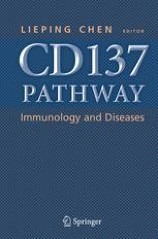
This comprehensive volume, written by experts in the field, covers nearly all aspects of ongoing research related to the CD137 pathway. Recent research has shown that the manipulation of CD137 pathway molecules is very promising in the treatment of cancer, viral infection, transplantation rejection and autoimmune diseases in experimental animal models. The volume includes research related to the identification and understanding of functional consequences of CD137 receptor and ligand molecules which represents a major effort in the field of immunology. CD137 Pathway: Immunology and Diseases is an ideal book for immunologists, microbiologists, cancer researchers, molecular biologists, biochemists, and pharmaceutical and biotechnology company scientists.
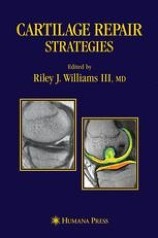
Cartilage Repair Strategies is a comprehensive update of the present state of cartilage repair and regeneration. The information in this volume addresses what methods are effective, what methods are safe, and what methods will lead to an alteration in the short history of articular cartilage injury repair. Contributors present examinations of a variety of topics including the structure and function of articular cartilage, the evaluation of cartilage repair techniques, and the latest cartilage sensitive imaging techniques.
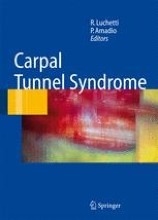
This book is an instrument for deepening their knowledge of this condition and its management. It can be considered a moment for reflection on a condition that is erroneously considered simple to treat and easy to resolve. The surgical chapters compare various complications as well as various conservative and rehabilitative treatment options, thus underlining that this condition must not be underestimated. Incorrect treatment can have many negative ramifications: not only that the patient is dissatisfied but it can also lead to the hand’s functional loss and render the patient an invalid.
For about hundred years the investigation of heart physiology has had one central guiding principle, the "law" of Frank and Starling. This connects the return of blood into the heart and the blood pressure with cardiac con traction force. The "law" does it in a way that enables the cardiovascular system to react to perturbations without major malfunctions. This book is a compilation of reviews of prominent scientists on this subject. The differ ence of the original formulation of the Frank-Starling principle is that mechanotransduction is the central theme that leads the reader through the book. Since the discovery of the "law" the scope of topics related to this subject has broadened enormously, as can be seen easily by glancing at the contents of this book. Mechanotransduction in the heart has many faces that range from molecules to humans and their diseases.
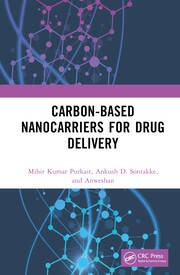
Carbon-Based Nanocarriers for Drug Delivery enlists the latitudes and advancements in the synthesis processes, functionalization, and applications of carbon-based nanomaterials (CBNs) in targeted drug delivery systems (DDSs). It covers the applicability and suitability of CBNs as nanocarriers for efficient drug delivery application via elucidating the recent advancements in CBNs, their functionalized and innovative derivatives, and the relevant case studies. The book explores the necessity, efficacy, toxicological aspects, and challenges for the application of CBN in targeted DDSs.
Offers a comprehensive overview on cannabinoids and their effects on sleep Provides novel research findings on the therapeutic potential of cannabinoids Discusses the effect of cannabinoids in several neurological disorders

سوريا - اتستراد درعا - غباغب
+963-15 2050 - 15 860 380 /1/2/3 - 11 662 3900