



الصفحة 18
الصفحة 18
Clinical Functional MRI : Presurgical Functional Neuroimaging
Functional magnetic resonance imaging (fMRI) has contributed significantly to progress in neuroscience by permitting noninvasive imaging of the "human brain at work" under physiological conditions. Within clinical neuroimaging, fMRI is opening up a new diagnostic field by measuring and visualizing brain function. However, fMRI is not yet a standard diagnostic imaging procedure. This textbook is devoted to preoperative fMRI in patients with brain tumors and epilepsies, which are the most well-established clinical applications. By localizing and lateralizing specific brain functions in individual patients, as well as epileptogenic zones, fMRI facilitates the selection of a safe treatment and the planning and performance of function-preserving neurosurgery.
Classics in total synthesis IV : new targets, strategies, and methods
A compilation of highly important synthetic methods which lead to complex molecules with valuable properties. From the complex architectures of natural products to the streamlined synthesis of functional molecules, each chapter in Classics in Total Synthesis IV unfolds a unique story. The interplay of mechanisms, reactivity, selectivity, and stereochemical aspects is thoroughly examined, echoing the pedagogical format that has become synonymous with this series. Well-designed graphics are included throughout, and all important parts of the reaction sequences are highlighted.
Cilia : Methods and protocols
Covers the latest advancements in the study of ciliary complexity. Protocols cover genomic, proteomic, imaging, and functional analysis of different ciliated tissues and their wide applicability in cilia biology. Chapters in this book primarily focus on methods to study multiciliated cells, and discuss topics such as SARS-CoV-2 infections of human primary nasal multiciliated epithelial cells; expansion microscopy of ciliary proteins; live-imaging centriole amplification in mouse brain multiciliated cells; biophysical properties of cilia motility; and mucociliary transport device construction. Written in the highly successful Methods in Molecular Biology series format, chapters include introductions to their respective topics, lists of the necessary materials and reagents, step-by-step, readily reproducible laboratory protocols, and tips on troubleshooting and avoiding known pitfalls.
Chromatin Dynamics in Cellular Function
This volume includes timely reviews of several aspects of chromatin biology written by scientists at the forefront of this rapidly moving field. Topics covered include the structure and function of protein modules within chromatin-remodeling proteins, newly characterized histone modifications (methylation, ubiquitylation) and their functional consequences, transcription and histone dynamics, roles of chromatin remodeling factors in DNA replication and repair, and current models of nucleosome-remodeling mechanisms.
Chromatin and Disease
It is more evident now than ever before that dynamic organization of human genome into nucleoprotein structure, chromatin confers the unique regulatory mechanisms for most of the cellular phenomena, which include replication, transcription, DNA repair, recombination and also apoptosis. The dynamic nature of the chromatin is regulated by chromatin modifications (epigenetic alterations), remodeling, histone chaperones and functional interactions of different chromatin interacting n- histone proteins. Dysfunction of this highly inter connected machineries disturb the cellular homoeostasis, and thereby causes several diseases. As we advance in our knowledge of chromatin function and also disease mechanisms in more details, their causal relationship is becoming more evident. This has lead to the identification of chromatin function as target for new generation therapeutics.

Chirurgie esthétique et fonctionnelle de la face = Cosmetic and functional facial surgery
Cet ouvrage centré sur la chirurgie esthétique faciale repose sur une profonde connaissance de l'anatomie, de la physiologie et de l'étiopathogénie du vieillissement de la face. Les solutions thérapeutiques à visée esthétique sont développées mais en préservant toujours la fonction - gage d'un meilleur résultat immédiat et à plus long terme. Après un rappel du vieillissement cutané et de l'intérêt de l'utilisation de la toxine botulique, les aspects de la chirurgie esthétique de la face sont abordés à travers quatorze chapitres
Child Neuropsychology : Assessment and Interventions for Neurodevelopmental Disorders
Child Neuropsychology guides therapists and neurologists toward common goals: early, accurate diagnosis and finely focused interventions across disciplines. By analyzing the affects of brain development on children and adolescents’ behavioral, cognitive, learning, and psychosocial abilities and deficits, this groundbreaking volume brings vital perspectives to assessment and treatment. Leading experts Ellison and Semrud-Clikeman start with the basics of child clinical neuropsychology and functional neuroanatomy, taking readers through examination protocols and assessment instruments to treatment planning and methods. In this volume, the authors address the full range of neurodevelopmental pathologies, from learning disabilities to autism, ADHD to CNS disorders, traumatic brain injury to fetal alcohol syndrome.
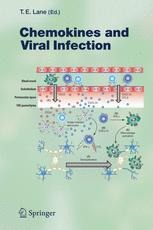
Chemokines and Viral Infection
This edition of Current Topics in Microbiology and Immunology examines the role of chemokines and chemokine receptors in host defense and disease development following viral infection. Chemokines represent a family of over 40 small proteins that, for the most part, are secreted into the environment and function by binding to G protein-coupled receptors (GPCRs) that are expressed on numerous different cell types. When initially identified close to 30 years ago, these molecules were associated with various human inflammatory diseases and it was recognized that expression may be integral in leukocyte recruitment to inflamed tissue. There are now four sub-families of chemokines identified based on defined structural criteria relating to the positional location of conserved cysteine residues within the amino-terminus of the protein. Chemokines are now recognized as important in numerous biological processes ranging from maintaining the organizational integrity of secondary lymphoid tissue to participating in various aspects of both innate and adaptive immune responses following microbial infection. With this in mind, this book highlights the functional roles of chemokines and their receptors in participating in various aspects of the immune response against well-known viral pathogens.
Chemogenomics : Methods and protocols
Presents both theoretical guidance and protocols on chemogenomics including chemogenomics library assembly, compound profiling, and phenotypic assays. The chapters in this book cover topics such as the assembly and use of Kinase Chemogenomics; data mining for chemogenomic compound candidates; protocols for protein family-focused assay systems to profile chemogenomic compounds; functional and target engagement assays in cellular settings for broad characterization; and a discussion on phenotypic assays where chemogenomic sets may be applied.

Chemistry for pharmacy students : General, organic and natural product chemistry ; 2nd ed.
Opens with an overview of the general aspects of chemistry and their importance to modern life, with emphasis on medicinal applications. The text then moves on to discuss the concepts of atomic structure and bonding and the fundamentals of stereochemistry and their significance to pharmacy in relation to drug action and toxicity. Various aspects of organic functional groups, organic reactions, heterocyclic chemistry, nucleic acids and their pharmaceutical importance are then covered in subsequent chapters, with the final chapter dealing with drug discovery and development, and natural product chemistry. Provides a student-friendly introduction to the main areas of chemistry required by pharmacy degree courses. Written at a level suitable for non-chemistry students in pharmacy, but also relevant to those in life sciences, food science, and the health sciences Includes learning objectives at the beginning of each chapter Focuses on the physical properties and actions of drug molecules

Chemical and functional properties of food components
Described the contents of food raw materials and products, the chemistry/biochemistry of food components, as well as the changes occurring during post-harvest storage and processing affecting the quality of foods. Discusses the role of chemical compounds in the structure of raw materials and the formation of different attributes of food quality, including nutritional value, safety, and sensory properties. It contains four new chapters: “Non-Protein Nitrogenous Compounds”; “Prooxidants and Antioxidants in Food”; “Non-Nutritive Bioactive Compounds in Food of Plant Origin”; and “Analytical Methods Used for Assessing the Quality of Food Products.”
Characteristic based planning with mySAP SCM™ : Scenarios, processes, and functions
Characteristics are used in SAP as attributes, e.g. to specify the configuration of products or the properties of batches. In many industries – engineering, automotive, mill, pharmaceutical and foods to name the most typical – supply chain planning has to consider these characteristics. APO offers many different functionalities for planning with characteristics, where each of the functionalities has some prerequisites and incompatibilities. This book offers help and advice for the basic design of the implementation by explaining the processes and scenarios (process chains) for planning with characteristics, the functionalities for planning with characteristics in APO including their prerequisites and incompatibilities and the entities, dependencies and system configuration determinants for planning with characteristics in R/3 and APO. This book is based on the releases R/3 4.7 and mySAP SCM 4.1.

Chaos, Nonlinearity, Complexity : The Dynamical Paradigm of Nature
This carefully edited book presents a focused debate on the mathematics and physics of chaos, nonlinearity and complexity in nature. It explores the role of non-extensive statistical mechanics in non-equilibrium thermodynamics, and presents an overview of the strong nonlinearity of chaos and complexity in natural systems that draws on the relevant mathematics from topology, measure-theory, inverse and ill-posed problems, set-valued analysis, and nonlinear functional analysis. It presents a self-contained scientific theory of complexity and complex systems as the steady state of non-equilibrium systems, denoting a homeostatic dynamic equilibrium between stabilizing order and destabilizing disorder.
CFN Lectures on Functional Nanostructures : Vol.1
This book contains a selection of lectures from the first Summer School organized by the Center for Functional Nanostructures (CFN) at the University of Karlsruhe. The mission of the CFN is to carry out research in the following areas: nanophotonics, nanoelectronics, molecular nanostructures and nanostructured materials. The aim of the summer schools is mainly to exchange new ideas and illustrate emerging research methodologies through a series of lectures. This is reflected by both the selection of topics addressed in the present volume as well as the tutorial aspect of the contributions.

Central European Functional Programming School ; 1st Central European Summer School, CEFP 2005, Budapest, Hungary, July 4-15, 2005, Revised Selected Lectures
This volume presents eight carefully revised texts of selected lectures given by leading researchers of the field at the first Central European Functional Programming School, CEFP 2005, held in Budapest, Hungary, in July 2005. The eight revised full papers presented were carefully selected during two rounds of reviewing and improvement for inclusion in the book. The lectures cover a wide range of topics such as new programming language concepts for subtyping.
Central European Functional Programming School : 2nd Summer School, CEFP 2007, Cluj-Napoca, Romania, June 23-30, 2007, Revised Selected Lectures
This volume presents texts from selected lectures given by leading researchers at the Second Central European Functional Programming School, CEFP 2007, held in Cluj-Napoca, Romania, in June 2007.
Cell-Cell Channels
The biological sciences are dominated by the idea that cells are the functionally autonomous, physically separated, discrete units of life. This concept was propounded in the 19th century by discoveries of the cellular structuring of both plants and animals. Moreover, the ap parent autonomy of unicellular eukaryotes, as well as the cellular basis of the mammalian brain (an organ whose anatomy for a long while defied attempts to validate the idea of the cellular nature of its neurons), seemed to provide the final conclusive evidence for the completeness of *cell theory', a theory which has persisted in an almost dogmatic form up to the present day. However, it is very obvious that there are numerous observations which indicate that it is not the cells which serve as the basic units of biological life but that this property falls to some other, subcellular assemblage. To deal with this intricate problem concerning the fundamental unit of living matter, we proposed the so-called Cell Body concept which, in fact, devel ops an exceedingly original idea proposed by Julius Sachs at the end of the 19th century. In the case of eukaryotic cells, DNA-enriched nuclei are intimately associated with a microtubular cytoskeleton. In this configuration—as a Cell Body—these two items comprise the fundamental functional and struc tural unit of eukaryotic living matter. The Cell Body seems to be inherent to all cells in all organisms.
Cell Therapy, Stem Cells and Brain Repair
As our world continues to evolve, the field of regenerative medicine f- lows suit. Although many modern day therapies focus on synthetic and na- ral medicinal treatments for brain repair, many of these treatments and prescriptions lack adequate results or only have the ability to slow the p- gression of neurological disease or injury. Cell therapy, however, remains the most compelling treatment for neurodegenerative diseases, disorders, and injuries, including Parkinson’s disease, Huntington’s disease, traumatic brain injury, and stroke, which is expanded upon in more detail in Chapter 1 by Snyder and colleagues. Cell therapy is also unique in that it is the only therapeutic strategy that strives to replace lost, damaged, or dysfunctional cells with healthy ones.
CD137 Pathway : Immunology and Diseases
This comprehensive volume, written by experts in the field, covers nearly all aspects of ongoing research related to the CD137 pathway. Recent research has shown that the manipulation of CD137 pathway molecules is very promising in the treatment of cancer, viral infection, transplantation rejection and autoimmune diseases in experimental animal models. The volume includes research related to the identification and understanding of functional consequences of CD137 receptor and ligand molecules which represents a major effort in the field of immunology. CD137 Pathway: Immunology and Diseases is an ideal book for immunologists, microbiologists, cancer researchers, molecular biologists, biochemists, and pharmaceutical and biotechnology company scientists.
Carpal Tunnel Syndrome
This book is an instrument for deepening their knowledge of this condition and its management. It can be considered a moment for reflection on a condition that is erroneously considered simple to treat and easy to resolve. The surgical chapters compare various complications as well as various conservative and rehabilitative treatment options, thus underlining that this condition must not be underestimated. Incorrect treatment can have many negative ramifications: not only that the patient is dissatisfied but it can also lead to the hand’s functional loss and render the patient an invalid.
