


تحسين النتائح
ترتيب حسب
من
الى


For around half of the couples who have trouble conceiving the cause of infertility is sperm-related. Intracytoplasmic sperm injection (ICSI) is the most common and successful treatment for male infertility. Here, the pioneers for the technique, along with authorities in the field, describe the underlying science of ICSI and other micromanipulation techniques. Practical advice for performing the techniques is covered in depth, including sperm selection, laser-assisted ICSI, and the use of piezo in ICSI. Examining the safety of ICSI in animal models as well as the impact of ICSI on the health and well-being of the children conceived through the procedure is discussed. This manual is an essential resource for clinical embryologists and laboratory personnel wishing to refine or develop techniques and improve outcomes.
Lifestyle medicine is a practice which adopts evidence-based lifestyle interventions as a primary modality to prevent, treat, and reverse chronic diseases. The six main pillars of this specialty include physical activity, nutrition, stress resilience, cessation or risk reduction of substance use, quality sleep, and connectivity. Lifestyle psychiatry is a rapidly emerging area within healthcare informed by rigorous research within the social and biological sciences, public health, and medicine. A volume in the Lifestyle Medicine series, this book uses a comprehensive biopsychosocial approach to prevent and treat psychiatric disorders and promote mental and physical well-being through evidence-based lifestyle interventions.
Care-Related Quality of Life in Old Age explains the theory behind Care Keys, its methodology, empirical findings, and practical considerations in promoting effective, efficient elder care aimed at social and emotional well-being and including disabled and cognitively impaired patients.
It is a compilation of case studies that provide useful knowledge and lessons that derive from on-the-ground activities and contribute to policy recommendations, focusing on the interlinkages between biodiversity and multiple dimensions of health (e.g., physical, mental, and spiritual) in managing socio-ecological production landscapes and seascapes (SEPLS). This book provides insights on how SEPLS approaches can contribute to more sustainable management of natural resources, achieving global biodiversity and sustainable development goals, and good health for all. It is also expected to offer useful knowledge and information for an upcoming three-year thematic assessment of “the interlinkages among biodiversity, water, food, and health” (the so-called “nexus assessment”) by the Intergovernmental Science-Policy Platform on Biodiversity and Ecosystem Services (IPBES). The book begins with an introductory chapter followed by eleven case study chapters demonstrating the nexus between biodiversity, health, and sustainable development, and then a synthesis chapter clarifying the relevance of the case study findings to policy and academic discussions. It will be of interest to scholars, policymakers, and professionals in the field related to sustainable development.
This book offers an overview of the beautiful, powerful, and dynamic array of opportunities to promote health through the arts from theoretical, methodological, pedagogical, and critical perspectives. This is the first-known text to connect the disparate inter-disciplinary literatures into a coherent volume for health promotion practitioners, researchers, and teachers. It provides a one-stop depository for using the arts as tools for health promotion in many settings and as bridges across communities, cultures, and sectors.
Outlines the challenges of supporting the health and wellbeing of older adults around the world and offers examples of solutions designed by stakeholders, healthcare providers, and public, private and nonprofit organizations in the United States. The solutions presented address challenges including: providing person-centered long-term care, making palliative care accessible in all healthcare settings and the home, enabling aging-in-place, financing long-term care, improving care coordination and access to care, delivering hospital-level and emergency care in the home and retirement community settings, merging health and social care, supporting people living with dementia and their caregivers, creating communities and employment opportunities that are accessible and welcoming to those of all ages and abilities, and combating the stigma of aging. The innovative programs of support and care in Aging Well serve as models of excellence that, when put into action, move health spending toward a sustainable path and greatly contribute to the well-being of older adults.

Media and communication have become ubiquitous in today’s societies andaffect all aspects of life. On an individual level, they impact how we learnabout the world, how we entertain ourselves, and how we interact withothers. On an organisational level, the interactions between media andorganisations, such as political parties, NGOs, businesses and brands, shapeorganisations’ reputation, legitimacy, trust and (financial) performance, aswell as individuals’ consumer, political, social and health behaviours. Atthe societal level, media and communication are crucial for shaping publicopinion on current issues such as climate change, sustainability, diversity,and well-being.
Ambient Intelligence is one of the new paradigms in the development of information and communication technology, which has attracted much attention over the past years. The aim is the to integrate technology into people environment in such a way that it improves their daily lives in terms of well-being, creativity, and productivity. Ambient Intelligence is a multidisciplinary concept, which heavily builds on a number of fundamental breakthroughs that have been achieved in the development of new hardware concepts over the past years. New insights in nano and micro electronics, packaging and interconnection technology, large-area electronics, energy scavenging devices, wireless sensors, low power electronics and computing platforms enable the realization of the heaven of ambient intelligence by overcoming the hell of physics.
AI (artificial intelligence) is predicted to radically change teaching and learning in both schools and industry causing radical disruption of work. AI can support well-being initiatives and lifelong learning but educational institutions and companies need to take the changing technology into account. Moving towards AI supported by digital tools requires a dramatic shift in the concept of learning, expertise and the businesses built off of it. Based on the latest research on AI and how it is changing learning and education, this book will focus on the enormous opportunities to expand educational settings with AI for learning in and beyond the traditional classroom. This book also introduces ethical challenges related to learning and education, while connecting human learning and machine learning.
This book presents up-to-date analyses of community-based approaches to sustainable resource management of SEPLS (socio-ecological production landscapes and seascapes) in areas where a harmonious relationship between the natural environment and the people who inhabit it is essential to ensure community and environmental well-being as well as to build resilience in the ecosystems that support this well-being.
Many people see a weak association between marketing and sustainable development and even consider them as two incompatible fields. However, marketing benefits from an extremely powerful position to encourage transformations at the production level and to guide consumers towards responsible behaviors. From its inception, marketing has been positioned as a support for the relationship between the company and its customers, with the quest for well-being set in the very foundations of the discipline.
The first introduction to health-focused building standards for design and construction professionals. More than a summary of the state of the field, this practical resource guides designers, builders, developers, and owners through considerations for incorporating WELL®, Fitwel®, and other systems from the planning phase to ground-breaking and beyond.Drawing on the authors’ backgrounds in sustainable design and public health, chapters on the evolution of the green building movement and the relationship between health and the built environment provide vital context for understanding health-focused standards and certifications. The final chapter looks toward the future of health and the built environment.

Leading architect Reinier de Graaf De Graaf punctures the myths behind the debates on what contemporary architecture is, with wit and devastating honesty. Architecture, it seems, has become too important to leave to architects. No longer does it suffice to judge a building solely by its appearance, it must be measured, and certified. When architects talk about "Excellence," "Sustainability," "Well-being," "Liveability," "Placemaking," "Creativity," "Beauty" and "Innovation" what do they actually mean? In Architect, Verb, De Graff dryly skewers the doublespeak and hot air of an industry in search of an identity in the 21st century
Offers critical insights into the thriving international field of community indicators, incorporating the experiences of government leaders, philanthropic professionals, community planners and a wide range of academic disciplines. It illuminates the important role of community indicators in diverse settings and the rationale for the development and implementation of these innovative projects. details many of the practical “how to” aspects of the field as well as lessons learned from implementing indicators in practice. The case studies included here also demonstrate how, using a variety of data applications, leaders of today are monitoring and measuring progress and communities are empowered to make sustainable improvements in their wellbeing.
Social Indicators Research: An International and Interdisciplinary Journal for Quality-of-Life Measurement was founded by Alex C. Michalos and published its first issue in March 1974. It has been the leading journal for scholarly research in its field for over thirty years. This volume is published in celebration of that record of accomplishment. The 19 articles assembled here are a selection drawn from the 34 (2.4%) most frequently cited articles in the journal’s history. An introductory essay written by Michalos explains the historical and scientific importance of each article in the development of social indicators or quality-of-life research. It provides a rare overview of the perceived scientific problems that researchers around the world addressed in the first three decades of exploration, as well as a view of some of the problems to be addressed in the future. A short essay describing the origins of the journal by its founder is also included.
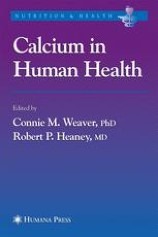
Calcium performs diverse biological functions in the human body and is a micronutrient essential to human health and well-being. It serves as a second messenger for nearly every biological process, stabilizes many proteins, and in deficient amounts is associated with a large number diseases and disorders. In Calcium in Human Health, a panel of highly respected researchers and clinical practitioners comprehensively reviews the state of our knowledge concerning this ubiquitous micronutrient, not only demonstrating its importance to human health, but also defining its many complex roles.
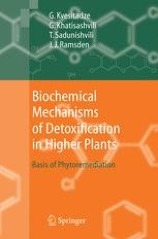
Plants play a key role in purifying the biosphere of the toxic effects of industrial activity. This book shows how systematic application of the results of investigations into the metabolism of xenobiotics (foreign, often toxic substances) in plants could make a vastly increased contribution to planetary well-being. Deep physiological knowledge gained from an accumulation of experimental data enables the great differences between the detoxifying abilities of different plants for compounds of different chemical nature to be optimally exploited. Hence planting could be far more systematically adapted to actual environmental needs than is actually the case at present.
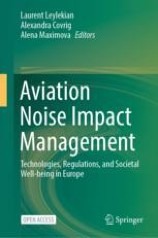
This book provides a view into the state-of-the-art research on aviation noise and related annoyance. The book will primarily focus on the achievements of the ANIMA project (Aviation Noise Impact Management through Novel Approaches), but not exclusively.
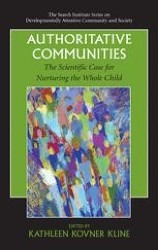
Authoritative Communities: The Scientific Case for Nurturing the Whole Child introduces innovative solutions based firmly in the children’s mental health and resilience literature and in the hypothesis that humans are "hardwired to connect." These "authoritative communities" consist of such individuals and institutions as parents, teachers, coaches, elders, and a variety of organizations that are committed to each other’s well-being over the long-term and who instill children with prosocial values such as empathy and compassion. Living within these communities enables children and youth to develop a consistent sense of purpose and meaning, so that they, in turn, are able to grow up to be responsible, productive, and nurturing adults.
Environmental issues continued to loom large in the last decade of the twentieth century,especially environmental problems related to rising levels of CO emissions and 2 other greenhouse gases on the planet’s average temperatures and, subsequently, storm patterns. Floods and droughts, in combination with unseasonably high and low temperatures became the norm rather than the exception for large expanses of Africa,Asia and Oceania. Even large areas of Europe and NorthAmerica were s- jected to recurrent floods and droughts and experienced unseasonable extremes of hot and cold temperatures associated with man-made intrusions into the natural environment. And, still, a global plan of action to haltman-related patterns of def- estation, desertification, and over-fishing of the seas has yet to come into being. At the same time, the number of regional conflicts and civil wars increased and, with them, the lives of many women, children, old people and other n- combatants were lost in these conflicts.

سوريا - اتستراد درعا - غباغب
+963-15 2050 - 15 860 380 /1/2/3 - 11 662 3900