


تحسين النتائح
ترتيب حسب
من
الى

Investigating life processes under extreme conditions can also bring clues for understanding and predicting ecosystems' responses to global changes. Furthermore, this area of research has a wide application potential in the fields of (bio)technoloty, chemical industry, pharmaceutics, biomedicine or cosmetics.
Describes 247 species of 9 families of medicinal plants, which are commonly used in Chinese medicine. The most important species are Adina rubella, Gardenia jasminoides, Hedyotis diffusa, Morinda officinalis, Rubia cordifolia, Uncaria hirsuta, Uncaria macrophylla, Uncaria rhynchophylla, Uncaria sessilifructus, Uncaria sinensis of Rubiaceae; Lonicera confusa, Lonicera hypoglauca, Lonicera macranthoides, Lonicera japonica of Caprifoliaceae; Patrinia scabiosaefolia, Patrinia villosa, Nardostachys jatamansi of Valerianaceae; Dipsacus asperoides of Dipsacaceae; Arctium lappa, Artemisia annua, Artemisia argyi, Artemisia capillaris, Artemisia scoparia, Atractylodes lancea, Atractylodes macrocephala, Dendranthema indicum, Dendranthema morifolium, Eupatorium chinense, Eupatorium fortunei, Inula helenium, Saussurea costus, Saussurea involucrata, Senecio scandens, Serratula chinensis, Siegesbeckia orientalis, Solidago decurrens, Taraxacum mongolicum, Tussilago farfara、Xanthium sibiricum of Compositae; Gentiana crassicaulis, Gentiana manshurica, Gentiana rigescens, Gentiana scabra, Swertia pseudochinensis of Valerianaceae; Lysimachia christinae of Primulaceae and Plantago asiatica of Plantaginaceae.
Describes 226 species of 32 families of medicinal plants, which are commonly used in Chinese medicine. The most important species are Aquilaria sinensis and Daphne genkwa of Thymelaeaceae; Benincasa hispida, Siraitia grosvenorii, Trichosanthes kirilowii and Trichosanthes rosthornii of Cucurbitaceae; Camellia sinensis of Theaceae; Cleistocalyx operculatus, Eugenia caryophyllata and Rhodomyrtus tomentosa of Myrtaceae; Osbeckia chinensis of Melastomataceae; Quisqualis indica and Terminalia chebula of Combretaceae; Hypericum japonicum of Hypericaceae; Microcos paniculata of Tiliaceae; Hibiscus mutabilis of Malvaceae; Croton crassifolius, C. lachnocarpus, C. tiglium, Euphorbia humifusa, E. lathyris, E. pekinensis, Phyllanthus emblica and Sauropus spatulifolius of Euphorbiaceae. In each specie, it introduces the scientific names, medicinal names, morphologies, habitats, distributions, acquisition and processing methods of these medicinal plants, the content of medicinal properties, therapeutic effects, usage and dosage of these medicinal plants, and attaches unedited color pictures and pictures of part herbal medicines of each species.
Describes 256 species of medicinal plants from 5 families, which are commonly used in Chinese medicine. The most important species are Agrimonia pilosa, Amygdalus persica, Armeniaca mume, Armeniaca vulgaris, Armeniaca sibirica, Chaenomeles sinensis, Eriobotrya japonica of Rosaceae; Chimonanthus praecox of Calycanthaceae;Albizia julibrissin, Archidendron clypearia, Entada phaseoloides, Bauhinia championii of Mimosoideae; Caesalpinia sappan, Cassia tora, Gleditsia sinensis of Caesalpiniaceae; Abrus cantoniensis, Astragalus membranaceus, Astragalus membranaceus, Dalbergia odorifera, Desmodium caudatum, Desmodium styracifolium, Erythrina variegata, Euchresta japonica, Flemingia prostrata, Glycyrrhiza uralensis, Glycyrrhiza inflata, Glycyrrhiza glabra, Lablab purpureus, Sophora japonica and Spatholobus suberectus of Butterflyaceae. In each specie, it introduces the scientific names, medicinal names, morphologies, habitats, distributions, acquisition and processing methods of these medicinal plants, the content of medicinal properties, therapeutic effects, usage and dosage of these medicinal plants, and attaches unedited color pictures and pictures of part herbal medicines of each species. This book series has 10 volumes in total, which covers over 2000 kinds of Chinese medicines that are commonly used. These volumes not only introduce the efficacy function and some prescriptions of the medicines, but also introduce the biological characteristics of them in detail with clear photos of the habitats, so that readers can identify them in the field. Apart from the growing environment, the books expound the distribution areas and other information to facilitate researches and other applications. The volumes are targeted at readers of general interests and it is also of high referential value for scientific researcher and teachers. It can be used as a guide to researchers, clinical doctors, and students in the department of pharmaceutics and traditional Chinese medicine.
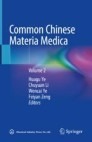
Contains 231 species of 40 families of medicinal plants. The most important family of which are Magnoliaceae, such as Magnolia officinalis and Magnolia officinalis subsp. biloba; Schisandra chinensis of Schisandraceae; Cinnamomum aromaticum of Lauraceae, Coptis chinensis Franch., Coptis omeiensis and Coptis teeta of Berberidaceae; Isatis indigotica, Lepidium apetalum and Raphanus sativus of Cruciferae; Rheum palmatum, Rheum officinale and Rheum taguticum of Polygonaceae, etc. In each specie, it introduces the scientific names, herbal medicine names, characteristics, habitats, distributions, Acquisition and processing methods, medicinal traits, tastes, functions, use and dosages, and other information of medicinal plants, and attaches unedited color pictures and pictures of part herbal medicines for each species. This book series has totally 10 volumes, which covers 2000 kinds of Chinese medicines that are commonly seen or used. These volumes not only introduce the efficacy, function and some prescriptions of the medicines, but also introduce the biological characteristics of them in detail with clear photos of the habitats, so that readers can identify them in the field. Apart from the growing environment, the books expound the distribution areas and other information to facilitate researches and other applications. The volumes are targeted at readers of general interests and it is also of high referential value for scientific researcher and teachers. It can be used as a guide to researchers, clinical doctors, and students in the department of pharmaceutics and traditional Chinese medicine.
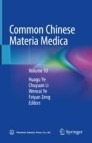
Records 5 species of resin, 74 species of animals, 41 species of minerals and fossils. There are resins such as Liquidambar orientalis, Commiphore myrrha, Boswellia carterii, Garcinia hanburyi; animals such as Solenognathus hardwickii, , Cervus nippon, Scolopendra subspinipes, Cryptotympana pustulata, Agkistrodon acutus, Bombyx mori, Collocalia esculenta, Moschus moschiferus, Hippocampus kelloggi, Gekko gekko; minerals and fossils such as mercury, gypsum, alum, mirabilite, cinnabar, actinolite, calomel, keel, dens draconis, lithodes, fossilia spiriferis.
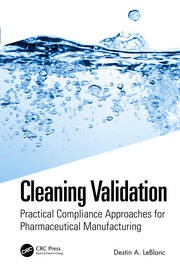
Timely coverage of cleaning validation for the pharmaceutical industry, a dynamic area in terms of health-based limits. Encourages pharmaceutical manufacturers, and particularly upper management, to meet the challenges of the science-based and riskbased approaches to cleaning validation. Draws on the author’s vast experience in the field of cleaning validation and hazardous materials. Discusses EMA vs. ISPE on Cleaning Limits and revised Risk-MaPP for highly hazardous products in shared facilities. A diverse list of topics from protocol limits for yeasts and molds to cleaning validation for homeopathic drug products.
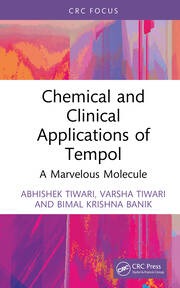
A comprehensive and authoritative exploration of Tempol (4-Hydroxy-TEMPO), an exceptional chemical compound with diverse applications in both scientific research and medical practice. This book delves into Tempol's unique properties, mechanisms of action, and its potential role in combating oxidative stress-related disorders. Includes a chapter devoted to the safe handling, storage, and disposal of Tempol in compliance with pharmaceutical regulations. The authors pay particular attention to pharmaceutical regulations in the industry.
Provides a comprehensive overview of the biosimilar regulatory framework, the development process and clinical aspects for development of biosimilars. The development path of a biosimilar is just as unique as a development path of a new drug, tailored by the mechanism of action, the quality of the molecule, published information on the reference product, the current competitive environment, the target market and regulatory guidance, and most importantly, the emerging totality of evidence for the proposed biosimilar during development.
This book introduces fundamental concepts, methods, and advances in the areas of dissolution, absorption, and permeability and their key applications in dosage form performance. Case studies are used to discuss the applications of biopharmaceutic strategies in the development of successful drugs, with a specific focus on the applications of biopharmaceutic strategies in the development of successful drugs. The book presents an integrated view in linking pharmaceutic to the biological consequences of drug products and leverages those for decision making in drug development.
Beginning with an expansive introduction to the basics of biopharmaceutics and the context that underpins the field, the included resources go on to discuss how biopharmaceutics are integrated into product development within the pharmaceutical industry. Explorations of how the regulatory aspects of biopharmaceutics function, as well as the impact of physiology and anatomy on the rate and extent of drug absorption, follow.

Biopharmaceutical Processing: Development, Design, and Implementation of Manufacturing Processes covers bioprocessing from cell line development to bulk drug substances. The methods and strategies described are essential learning for every scientist, engineer or manager in the biopharmaceutical and vaccines industry. The integrity of the bioprocess ultimately determines the quality of the product in the biotherapeutics arena, and this book covers every stage including all technologies related to downstream purification and upstream processing fields. Economic considerations are included throughout, with recommendations for lowering costs and improving efficiencies.
Looks at the applications of biomarkers as important tools for herbal drug discovery, presenting research on phytoconstituents with advanced nanotechnological applications for healthcare benefits. Herbal drug discovery based on biomarkers is an emerging area in complementary and alternative medicine that has tremendous potential in healthcare. Conventional medications have limited efficacy and high toxicity, whereas herbal drugs are said to provide wide structural diversity that is not usually seen with conventional/synthetic drug molecules. Recognition of various herbal constituents, such as terpenoids, fatty acids, flavonoids and steroids, are well explored in the management and treatment of various disorders in this volume. These agents target various biomarkers such as nitric oxide (NO), cytokines, chemokines, adhesion molecules, NF- kβ, lipoxygenase (LOX), and arachidonic acid. Reviews the literature on inflammatory biomarkers in the treatment of diseases Looks at the development of herbal drug discovery based on biomarkers Explores emerging concepts of nanomedicines for herbal drug delivery Takes an interdisciplinary approach, with application to disciplines related to medical, pharmaceutical, biotechnological, Ayurvedic, Unani and biomedical engineering fields
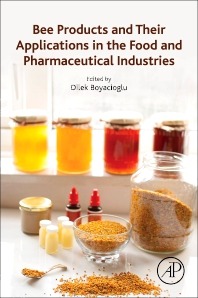
Focuses on the health benefits of selected bee products by looking more closely at their pharmacological potentials and therapeutic applications in coping with various diseases. The book explores some of these products, such as royal jelly, propolis and bee venom, which is highly attractive to the food supplement sector due to the biological actions that are proved by scientific studies. Bee products also attract the cosmetics industry by utilizing those products in various applications such as hair products, toothpaste, sunscreen creams, lip balsams, or facial moisturizing creams. Each chapter focuses on a particular health benefit, providing more compact and detailed information about each activity for a specific interest. The mainframe of the book is based on the medicinal and pharmacological functions of bee products, with the therapeutic applications for each bee product supporting the mechanism of action of their biological functions.
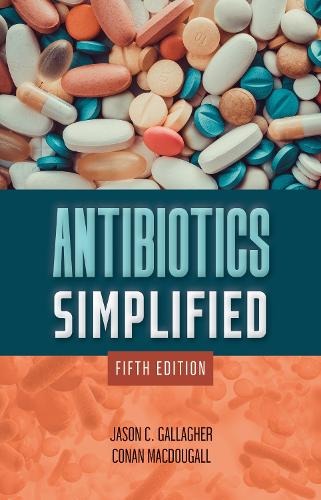
Designed to bridge knowledge gained in basic sciences courses with clinical practice in infectious diseases. This practical text reviews basic microbiology and how to approach the pharmacotherapy of a patient with a presumed infection. It also contains concise Drug Class Reviews with an explanation of the characteristics of various classes of antibacterial drugs and antifungal drugs.
Provides unique insights into the issues that drive modified dosing regimens for antibiotics in the critically ill. Leading international authors provide their commentary alongside a summary of existing evidence on how to effectively dose antibiotics. Severe infection frequently necessitates admission to the intensive care unit (ICU). Equally, nosocomial sepsis often complicates the clinical course in ICU. Early, appropriate application of antibiotic therapy remains a cornerstone of effective management. However, this is challenging in the critical care environment, given the significant changes in patient physiology and organ function frequently encountered. Being cognisant of these factors, prescribers need to consider modified dosing regimens, not only to ensure adequate drug exposure, and therefore the greatest chance of clinical cure, but also to avoid encouraging drug resistance.
Provides a comprehensive review of the fundamental and practical aspects of bioanalytical support and the integral role it plays in the development of safe and efficacious biopharmaceutical drugs with speed and cost-effectiveness. Focuses on a broad range of conventional and emerging biopharmaceutical modalities including monoclonal antibody-based therapeutics, gene therapy, cell therapy, peptides and oligonucleotides.
Provides a concise overview of recent advances in Pharmacokinetics (PK) and Pharmacodynamics (PD). The pharmacokinetics section covers the state of the art in Physiologically Based Pharmacokinetic (PBPK) modeling (Chapter 1) as well as the assessment of food effect on drug absorption using PBPK modeling (Chapter 2). Chapters 3 and 4 describe the recent development of Physiologically Based Finite Time Pharmacokinetic (PBFTPK) models and their applications to pharmacokinetic data. The pharmacodynamics section focuses on PK/PD modeling. Chapter 5 provides an overview of PK/PD modeling and simulation in clinical practice and studies. Chapter 6 deals with the subject/physiology variability issue encountered in PK/PD studies, while Chapter 7 reviews the influence of clinical pharmacology in the modernization of drug development and regulation. This book is an essential reference for pharmaceutical scientists.

سوريا - اتستراد درعا - غباغب
+963-15 2050 - 15 860 380 /1/2/3 - 11 662 3900