


تحسين النتائح
ترتيب حسب
من
الى

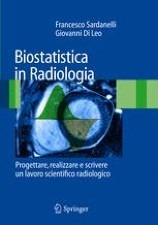
The progressive affirmation of evidence-based medicine requires radiology to make a qualitative leap: from demonstrating the ability to see more and better to demonstrating a significant improvement in the health or quality of life of patients.

The book covers notions by scientists of various branches on the evolutionary relationship between the biosphere and geosphere, evolution features at various levels of living matter organization, and problems of prebiotic evolution and life origin. The data were collected in the course of the RAS program "Biosphere origin and evolution" (subprogram II) in 2003–2006. The objectives of this subprogram were (1) generalization of data related to problems of biosphere origin and evolution accumulated by geneticists, molecular biologists, zoologists, botanists, paleontologists, microbiologists, geologists, chemists, and archaeologists; (2) search for new interdisciplinary approaches to biosphere origin and evolution; (3) development of a "lingua franca" understandable by experts in various fields, which would allow apprehension of results concerning the topic obtained in allied sciences

This volume addresses the issue of mechanical conditioning of the tissue, and describes the use of techniques such as MRI for monitoring tissue growth. It also deals with the application of bioreactor technology to tissue engineering products.
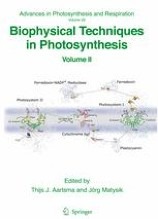
Since the first volume on Biophysical Techniques in Photosynthesis Research, published in 1996, new experimental techniques and methods have been devised at a rapid pace. The present book is a sequel which complements the first volume (Volume 3 in the Series) by providing a comprehensive overview of the most important new techniques developed over the past ten years, especially those that are relevant for research on the mechanism and fundamental aspects of photosynthesis. The contributions are written by leading scientists in their field. The book has 5 sections: Imaging; Structure; Optical and laser spectroscopy; Magnetic resonance; Theory. Each chapter describes the basic concepts of the technique, practical applications and scientific results. Possibilities and limitations from a technical as well as a scientific point of view are addressed, allowing the reader not only to recognize the potential of a particular method for his/her own quest, but also to assess the resources that are required for implementation. The book is intended for use by graduate students and researchers in photosynthesis as well as in (bio)physics, (bio)chemistry and biology in general.
Source of the latest innovative research and technical development in biomanufacturing systems. It is organised into 2 parts: 1) Manufacturing of recombinant therapeutic proteins (e.g. therapeutic antibodies, biosimilars/biogenerics) and 2) Manufacturing aspects of cell and gene therapy. Each with selected chapters on the following topics for both up- and downstream, such as: Advanced process strategies, especially continuous manufacturing, Advanced culture techniques, especially single-use systems, Process transfer, scale-up/scale-down models, Processing advances/Manufacturing productivity/efficiency, Model-assisted process understanding and development/Digital Twins, Process controls and analytics, Quality control, Quality by design, Facility design and full-scale commercial systems, manufacturing technology innovation.

Biopharmaceutical Drug Design and Development, Second Edition, updates the widely successful first edition, published in 1999. This new, expanded edition investigates the dozens of new biopharmaceutical drugs that have become available since the publication of the first edition. Among the drugs discussed are ones in the categories of monoclonal antibodies for in-vivo use, cytokines, growth factors, enzymes, immunomodulators, thrombolytics, and immonotherapies including vaccines. Additionally, the volume examines new and emerging technologies, such as bioinformatics, DNA microarrays, transgenics, therapeutic gene delivery, stem cells, nucleic acid-based therapeutics, and macromolecular drug delivery. Authors also study pharmacogenetics in the clinic and changes in biologic drug approval at the FDA. Biopharmaceutical Drug Design and Development, Second Edition, is a worthy sequel in the discussion on the dynamic, exciting field of biotechnology.
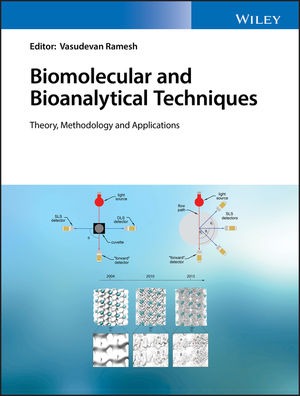
Offers an introduction to, and a basic understanding of, a wide range of biophysical techniques. The text takes an interdisciplinary approach with contributions from a panel of distinguished experts. With a focus on research, the text comprehensively covers a broad selection of topics drawn from contemporary research in the fields of chemistry and biology. Each of the internationally reputed authors has contributed a single chapter on a specific technique. The chapters cover the specific technique’s background, theory, principles, technique, methodology, protocol and applications.

Biomaterials, an Introduction is intended as a general introduction to the uses of artificial materials in the human body for the purposes of aiding healing, correcting deformities, and restoring lost function. Enhancing on the field developments since the successful last edition, Biomaterials, an Introduction continues in its tradition as an outgrowth of an undergraduate course for senior students in biomedical engineering developed by the authors With 60 years of combined experience, the authors have emphasized the fundamental materials science, structure-property relationships and biological responses as a foundation for a wide array of biomaterials applications.
Helping to accelerate Alzheimer’s disease drug development. Addressing the latest advances in preclinical and clinical research, including new insights into the molecular mechanisms and emerging therapeutic strategies, the book continues by exploring digital biomarkers and advanced neuroimaging analysis which will transform how clinical trials in the Alzheimer’s disease field are performed.
Aims to build a new generation of experts with a broader understanding of key topics in the Alzheimer’s disease field. Chapters guide readers through innovative approaches to the discovery of novel biomarkers in cerebrospinal fluid, innovation in blood-based biomarkers, a comprehensive overview of magnetic resonance imaging and molecular imaging approaches and their value for developing drugs for Alzheimer’s disease, cutting-edge developments in neuropathology and their relevance for Alzheimer’s disease trials, novel genomic strategies for biomarker development, and related topics including neuropsychological testing and advanced analytical methods.Written in the highly successful Methods in Molecular Biology series format, chapters include introductions to their respective topics, lists of the necessary materials and reagents, step-by-step, readily reproducible laboratory protocols, and tips on troubleshooting and avoiding known pitfalls.

"The volume is well illustrated and certainly realizes the primary aim of "The Mycota", namely to highlight developments in both basic and applied research into fungal systems." (Microbiology Today) "The Editors´ aim 'to provide a selected sampling of contemporary topics at the forefront of fungal cell biology' has certainly been achieved. Indeed, it is hard to imagine any mycologist not finding something fascinating in each of the chapters. ... Further, the volume is packed with material that will be extremely useful for those presenting basic courses in mycology - especially because of the many fine explanatory line drawings." (Mycological Research)
This volume describes the current status of the biology of inositols and phosphoinositides with an emphasis on the development in the area since the publication of volume 26 in 1996 in this series. The progress made in dissecting the genetics, structure and evolution of the seminal enzyme for synthesis of inositol in the biological system has driven the understanding of the enzyme forward. With the current genomic and proteomic tools in place the new role of inositols, inositol phosphates and phosphoinositides in cell signaling or stress response has been explored. These advances are described.

This book presents a concise and comprehensive review of the biology, ecology, and management of Norway spruce. It integrates classic and contemporary literature (more than 2000 works cited in the text), highlighting basic research and forestry practices in central and eastern Europe. The topics include anatomy and morphology, physiology and nutrition, reproductive biology and genetics, and ecology. In addition, it examines mycorrhiza, diseases and pests as well as silviculture and wood products. In the light of increasing threats to forest health from air pollution, climate change, and insects and disease, it provides an essential information source to those concerned with the ecology, conservation, and management of the species
The idea for this book was born during the symposium on biologics organized by ZAFES (Center for Drug Research, Development and Safety at the University of Frankfurt am Main) in September 2005. Highly distinguished researchers special- ing in the field of biologics had gathered together to exchange information on this relatively new subject. Realizing that this symposium was one of the few sources of condensed information on biologics, it became obvious that we had to create a means of informing an interested wider circle of scientists and especially general c- nicians. Therefore, the editors of this book suggested to the researchers at the symposium andalsotoprominent scientists andcliniciansinvolvedinthe developmentand application of biologics as their major field of interest the idea of assembling this compendium. We received an overwhelmingly positive response – thankfully also from the publisher – most being more than willing to support this innovative project with highly relevant chapters on the latest state of the art.

Covers aspects of fundamental and applied nitrogen-fixation research, from biochemistry and chemistry through genetics, regulation and physiology to agricultural practice and environmental impact. This work describes progress on studies of potential catalysts for nitrogen fixation; how the N2-fixing process is regulated in living cells; and more.

This new volume on Biological Invasions deals with both plants and animals. It differs from previous books on the subject by extending from the level of individual species to an ecosystem and global level. Topics of highest societal relevance, such as the impact of genetically modified organisms, are interlinked with more conventional ecological aspects, including biodiversity. The combination of these approaches is new and makes compelling reading for researchers and environmentalists. The book’s 22 chapters cover a huge range of subjects relevant to the field. These include pathways of biological invasions (e.g. ballast water, waterways), traits of successful invaders (e.g. chemical weapons, empty niches), and patterns of invasion and invasibility, such as man-induced predisposition by fire, land use and eutrophication, and the role of climate change.

The book examines the identity, distribution, and impact of freshwater non-indigenous species and the dynamics of their invasion. Rather than providing a broad and comprehensive review of the issue, Biological invaders in inland waters focuses on old and new invaders and also raises questions and opens perspectives that provide a starting point for further research. The ultimate purpose of this book is to help define a more general framework for our knowledge of invasions in fresh waters. Such a framework will be indispensable to the planning of a science-based management program.

Biological Basis of Geriatric Oncology highlights research issues that are specific to geriatric oncology in the field of carcinogenesis and cancer prevention and treatment, based on the biologic interactions of cancer and age. It illustrates the benefit of the principles of geriatrics in the management of cancer in the older individual.
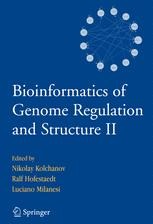
The conference was organized by the Laboratory of Theoretical Genetics, Institute of Cytology and Genetics, Siberian Branch of the Russian Academy of Sciences, Novosibirsk, Russia. The material covers the most recent topics in bioinformatics, including (i) regulatory genomic sequences: databases, knowledge bases, computer analysis, modeling, and recognition; (ii) large-scale genome analysis and functional annotation; (iii) gene structure detection and prediction; (iv) comparative and evolutionary genomics; (v) computer analysis of genome polymorphism and evolution; computer analysis and modeling of transcription, splicing, and translation; structural computational biology: structure- function organization of genomic DNA, RNA, and proteins; (vi) gene networks, signal transduction pathways, and genetically controlled metabolic pathways: databases, knowledge bases, computer analysis, and modeling; principles of organization, operation, and evolution; (vii) data warehousing, knowledge discovery and data mining; and (viii) analysis of basic patterns of genome operation, organization, and evolution.
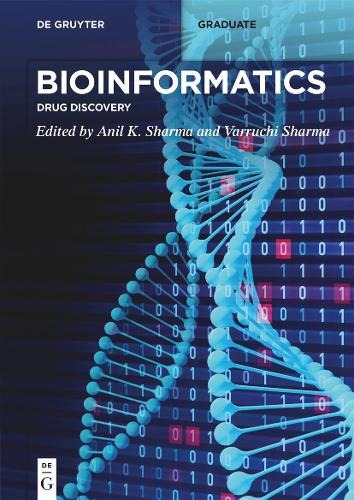
Quantitative tools are becoming increasingly important in order to understand complex cascade of signal transduction events, pathways or biochemical reactions. The book showcases how computational techniques and algorithms are applied to biological data analysis, interpretation, and modelling. It covers applications in drug design and discovery, immune systems, phylogenetic analysis and protein structures.

سوريا - اتستراد درعا - غباغب
+963-15 2050 - 15 860 380 /1/2/3 - 11 662 3900