



الصفحة 79
الصفحة 79

Changing the Game : The Playbook for Leading Business Transformation
As digital technologies and consumer expectations continue to disrupt almost every industry sector, companies are placing greater emphasis on developing and implementing transformation programs. Changing the Game offers the practical knowledge required to create a dramatic step-change in company performance. Adopting a robust and pragmatic approach to every stage of business transformation, this authoritative volume explains where to start, identifies key areas of focus, and describes the strategies, decisions, and actions necessary for achieving results.
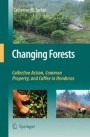
Changing Forests : Collective Action, Common Property, and Coffee in Honduras
It merges political ecology, collective-action theories, and institutional analysis to study how the people and forests have changed through socioeconomic and political transitions. It studies the complex, often contradictory relationships between the people and their natural resources to understand why forest cover endures."Changing Forests" therefore encompasses three broad phases: (1) the premodern period, which considers historic perturbations in western Honduras from the period of colonialism into the middle of the twentieth century; (2) the period of state-led logging and intervention in La Campa, which caused major degradation in forest cover; and (3) the recent period in which export coffee production transformed property rights, and people’s perceptions of the forest gained new conservationist and economic dimensions. Each phase entails perspectives and experiences that influenced human use of forests, and shaped subsequent transformations.
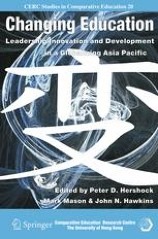
Changing Education : Leadership, Innovation and Development in a Globalizing Asia Pacific
This book responds to the growing unease of educators and non-educators alike about the inadequacy of most current educational systems and programs to meet sufficiently the demands of fast changing societies. These systems and programs evolved and were developed in and for societies that have long been transformed, and yet no parallel transformation has taken place in the education systems they spawned. In the last twenty years or so, other sectors of society, such as transportation and communications systems, have radically changed the way they operate, but education has remained essentially the same. There is no doubt: education needs to change.
Change 2.0 : Beyond Organisational Transformation
"This is a book about change … . It’s a collection of 14 articles including four case studies. … ‘a collection of articles intended to inspire those involved in the practical implementation of change’." (Rodney Gray, Strategic Communication Management, Issue 11, 2008)

Chamomile & insulin nasal spray in the treatment of Alzheimer's disease
Chamomile is one of the most widely used herbs in Western countries, in the present study, we assessed the effect of chamomile combined with insulin on the learning and memory impairments (Alzheimer's disease) induced by scopolamine. The cognition-enhancing effect of chamomile & insulin was investigated using the Y-maze test. Drug-induced amnesia was induced by treating animals with scopolamine. Mix solution administration intranasally reversed scopolamine induced cognitive impairments in mice by the Y-maze test. Moreover, results suggest that the combination of both chamomile and insulin may be a useful cognitive impairment treatment, and its beneficial effects are mediated, in part, via inhibitory effects in vivo on the release of several pro-inflammatory mediators and as a co-absorbent.
Challenges in Radiation Protection and Nuclear Safety Regulation of the Nuclear Legacy
The book covers radiation protection and nuclear safety supervision of installations built during the cold war, particularly in relation to regulatory strategies for safe decommissioning of unique or unusual nuclear facilities and remediation

Challenges in Pediatric Kidney Transplantation : A practical guide
This book provides a comprehensive overview of the unique challenges inherent in pediatric kidney transplantation. The text reviews the problems faced during each stage of the kidney transplantation process, including the occurrence of infections during the pre-transplant stage, surgical challenges during the actual transplantation, and medication issues during the post-transplant stage. The book also features high-yield case presentations of typical pediatric transplant scenarios, from the pre-transplant management of a child with CAKUT to the evaluation and treatment of antibody mediated rejection in children.
Challenges and Solutions for Sustainable Smart City Development
Discusses advances in smart and sustainable development of smart environments. The authors discuss the challenges faced in developing sustainable smart applications and provide potential solutions. The solutions are aimed at improving reliability and security with the goal of affordability, safety, and durability. Topics include health care applications, sustainable smart transportation systems, intelligent sustainable wearable electronics, and sustainable smart building and alert systems. Authors are from both industry and academia and present research from around the world. Addresses problems and solutions for sustainable development of smart cities; Includes applications such as healthcare, transportation, wearables, security, and more ; Relevant for scientist and researchers working on real time smart city development.

Challenge In biologic drug delivery
Biologics are currently one of the most promising avenues for therapeutic interventions in conditions such as metabolic disease, ageing and inflammatory disorders, and for chronic ailments, oral delivery of such medicines has for years been recognised as an important goal. Despite decades of intensive research, oral delivery of biologics is only just starting to prove feasible. There has been much talk about the barriers to uptake of biologics, and indeed, one function of the intestine is to prevent, in one way or another, passage of unwanted materials across the gut, and yet, grams of biological agents both large and small pass across the intestinal cell wall every day. This review first describes the functioning of the gut under normal circumstances, then identifies the principle biological mechanisms, which have been harnessed successfully, to date, to achieve oral uptake, outlining the pros and cons of each approach.
Cerebral palsy
Cerebral palsy is a lifelong condition that affects the individual, family, and immediate community. Therefore, the goal of allowing the individual with cerebral palsy to live life with the least impact of the disability requires c- plex attention to the individual and the family. Furthermore, society needs to be sensitive and to accommodate individuals with disabilities by limiting architectural impediments and providing accessible public transportation and communication. The educational system provides the key means for helping the individual prepare to function in society to his or her maximum ability. In many ways, the medical care system probably has the least sign- icant role in preparing the child with cerebral palsy to function optimally in society. However, the medical care system is the place where parents first learn that their child has developmental issues outside the expected norm. It is almost universally the place where parents also expect the child to be made normal in our modern society. In earlier times, the parents would expect healing to possibly come from the doctor, but also they would place hope for healing in religion. As this belief in spiritual or miraculous healing has - creased, a significant font of hope has decreased for parents of young ch- dren with disabilities.
Cell-Cell Channels
The biological sciences are dominated by the idea that cells are the functionally autonomous, physically separated, discrete units of life. This concept was propounded in the 19th century by discoveries of the cellular structuring of both plants and animals. Moreover, the ap parent autonomy of unicellular eukaryotes, as well as the cellular basis of the mammalian brain (an organ whose anatomy for a long while defied attempts to validate the idea of the cellular nature of its neurons), seemed to provide the final conclusive evidence for the completeness of *cell theory', a theory which has persisted in an almost dogmatic form up to the present day. However, it is very obvious that there are numerous observations which indicate that it is not the cells which serve as the basic units of biological life but that this property falls to some other, subcellular assemblage. To deal with this intricate problem concerning the fundamental unit of living matter, we proposed the so-called Cell Body concept which, in fact, devel ops an exceedingly original idea proposed by Julius Sachs at the end of the 19th century. In the case of eukaryotic cells, DNA-enriched nuclei are intimately associated with a microtubular cytoskeleton. In this configuration—as a Cell Body—these two items comprise the fundamental functional and struc tural unit of eukaryotic living matter. The Cell Body seems to be inherent to all cells in all organisms.
Cell volume and signaling
In front of you is the finished product of your work, the text of your contributions to the 2003 Dayton International Symposium on Cell Volume and Signal Transduction. As we all recall, this symposium brought together the Doyens of Cellular and Molecular Physiology as well as aspiring young investigators and students in this field.
Cell therapy stem cells and regenerative medicine
Provides an overview of cell-based therapy for human diseases including the definition, history, and clinical applications of human stem cells and their use in regenerative medicine. It covers human pluripotent stem cells (human embryonic stem cells and human induced pluripotent stem cells), mesenchymal stem/stromal cells, and hematopoietic stem cells, bone marrow mononuclear cells. In terms of clinical applications, this book also provides an update on recent human trials using these cells to treat various diseases, including neurological disorders, pulmonary dysfunctions, metabolic/endocrine-related diseases, frailty, and cancer treatment. In addition, it discusses the authors’ clinical trial experiences related to these conditions in a clinical setting to provide additional insight into regenerative medicine, especially cell-based therapy.

Cell Technology for Cell Products ; Proceedings of the 19th ESACT Meeting, Harrogate, UK, June 5-8, 2005
The 19th ESACT meeting was to highlight the novel capabilities of the industry to move the products towards the clinic and was attended by a wide range of workers in the industry and for many it was their first ESACT meeting. The meeting was started with a session on Transcription to Secretion with a notable set of presentations on the emerging issues. The other sessions that followed Therapeutic Cell Engineering, Gene Medicine, Cells to Tissue, Protein products and Process Technology guided the delegates through the advances made for the progression of the biotechnology towards the industrial application of the products from cells. The meeting was supported by some exceptional invited speakers from around the world whose contributions complemented the emerging technologies and the changes being made at the industrial end of the ESACT spectrum.
Cell Signaling in Vascular Inflammation
Although inflammatory disease of the vascular bed of the lung is a major cause of morbidity and mortality in both adult and pediatric age groups, the importance of vascular biology to its understanding, and in developing novel therapeutics, has been overlooked. In Cell Signaling in Vascular Inflammation, leading basic and clinical researchers review the signal transduction mechanisms responsible for lung inflammation, including vascular hyperpermeability, white cell accumulation, and vascular remodeling. The authors cut across disciplines to bring together a broad-based presentation of inflammatory challenge, both in the initial phases of the inflammatory response, as well as in the more prolonged phase of genomic involvement.

Cell Motility in Cancer Invasion and Metastasis
Cancer Morbidity and mortality result from invasive and metastatic spread. Currently, no therapies are aimed at the underlying mechanisms that enable this progression due to only nascent recognition of the distinct biology which occurs only during tumor dissemination. Recent advances have highlighted the central role of cell motility during the dynamic and transient process of tumor invasion and metastasis. This book includes state-of-the-art updates by international leaders in these studies. Chapters first present the novel model systems that enable new investigations and insights. Chapters then describe in depth the key processes and molecules that may be therapeutically targeted. Finally, the role of cell motility and its signals is explored in a number of key tumor types. This compilation should be useful to researchers in basic and translational oncology as well as those developing novel agents to prevent tumor invasion and metastasis.
Cell Motility
Cell motility is a fascinating example of cell behavior which is fundamentally important to a number of biological and pathological processes. It is based on a complex self-organized mechano-chemical machine consisting of cytoskeletal filaments and molecular motors. In general, the cytoskeleton is responsible for the movement of the entire cell and for movements within the cell. The main challenge in the field of cell motility is to develop a complete physical description on how and why cells move. For this purpose new ways of modeling the properties of biological cells have to be found. This long term goal can only be achieved if new experimental techniques are developed to extract physical information from these living systems and if theoretical models are found which bridge the gap between molecular and mesoscopic length scales. Cell Motility gives an authoritative overview of the fundamental biological facts, theoretical models, and current experimental developments in this fascinating area.
Cell Culture Engineering
Many patients suffering with life-threatening diseases or chronic dysfunctions, which were medically untreatable not long ago, can attest to the wonder these drugs have achieved. Although the first generation of p- tein therapeutics was produced in recombinant Escherichia coli, most recent products use mammalian cells as production hosts. Not long after the first p- duction of recombinant proteins in E. coli, it was realized that the complex tasks of most post-translational modifications on proteins could only be efficiently carried out in mammalian cells.
Cell Communication in Nervous and Immune System
At first glance, the nervous and immune systems appear very different. However, both systems have developed mechanisms for memory formation – though of quite different quality and significance for the organism. One striking example is that both systems form and communicate via synapses armed with similar sets of proteins. This collection of reviews, contributed by internationally recognized immunologists and molecular and cellular neurobiologists, puts side by side cellular communication devices and signaling mechanisms in the immune and nervous systems and discusses mechanisms of interaction between the two systems, the significance of which has only recently been fully appreciated.
Cell and Molecular Biology of Plastids
The present book provides a comprehensive overview of our current knowledge on plastid biogenesis, plastid-nuclear communication, the regulation of plastid gene expression at all levels, and also assesses the state of the art in key technologies, such as proteomics and chloroplast transformation. Written by recognized experts in the field, it covers plastid differentiation and division, genome structure and function, plastid inheritance, recombination, DNA replication and repair, transcription, RNA processing and translation as well as crucial posttranslational processes in plastid biogenesis and function, including protein processing, the assembly of multiprotein complexes, protein stability and degradation, protein import and sorting.
