


تحسين النتائح
ترتيب حسب
من
الى

Chronic lymphocytic leukaemia (CLL) is the most common leukaemia in the Western world. It is also the prototype of B-cell chronic lymphoid malignancies and of their ramifications within the fields of hematology, immunology and oncology. developments of basic science into effective new approaches to the patient.
Cytogenetics is a very important research tool in basic and applied research. The uses of cytogenetics in human-population monitoring, in biological dosimetry in radiation accidents and in astronauts and as a predictive measure of cancer are topics discussed in this book. The book will help the reader to better understand cytogenetics and the intricacies of the methodology. The different methods of fluorescence in situ hybridization are discussed and the results achieved are presented. The book provides a comprehensive review of basic and applied aspects of cytogenetics and therefore will be of interest to all who are interested in chromosomes and their alterations by different types of mutagens, including chemical mutagens and ionizing and nonionizing radiation, with special reference to electromagnetic fields.
This volume includes timely reviews of several aspects of chromatin biology written by scientists at the forefront of this rapidly moving field. Topics covered include the structure and function of protein modules within chromatin-remodeling proteins, newly characterized histone modifications (methylation, ubiquitylation) and their functional consequences, transcription and histone dynamics, roles of chromatin remodeling factors in DNA replication and repair, and current models of nucleosome-remodeling mechanisms.
It is more evident now than ever before that dynamic organization of human genome into nucleoprotein structure, chromatin confers the unique regulatory mechanisms for most of the cellular phenomena, which include replication, transcription, DNA repair, recombination and also apoptosis. The dynamic nature of the chromatin is regulated by chromatin modifications (epigenetic alterations), remodeling, histone chaperones and functional interactions of different chromatin interacting n- histone proteins. Dysfunction of this highly inter connected machineries disturb the cellular homoeostasis, and thereby causes several diseases. As we advance in our knowledge of chromatin function and also disease mechanisms in more details, their causal relationship is becoming more evident. This has lead to the identification of chromatin function as target for new generation therapeutics.
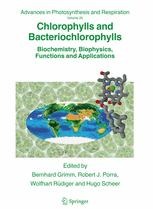
This book summarizes the chemical, physical, biological and medical aspects of chlorophyll (and bacteriochlorophyll) research and development, with a focus on the tremendous progress achieved over the past 15 years. Each section has an up-to-date introductory overview which is followed by a series of concise well-focused and fully-referenced chapters written by experts in (bio)chemistry, (bio)physics, photobiology and photomedicine.
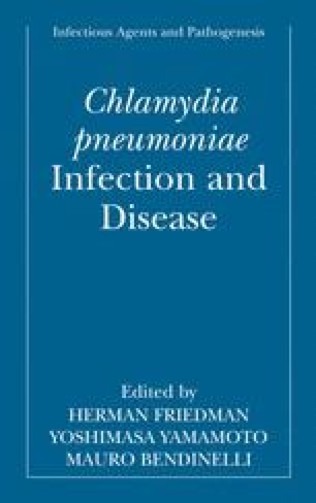
This volume, part of the Infectious Agents and Pathogenesis series, is a complete portrait of C. pneumoniae and what is currently known about it
Discovery in the use of chitosan-based nanocomposites in biomedical applications, including the scope to which these novel materials have been incorporated by the community. It provides an exceptional insight into the strategies for the synthesis and chemical modifications of chitosan, characterization techniques, their use as anticancer agents, antimicrobial, antiviral, and antifungal agents, their role in the biomedical field, and applications in drug delivery, gene therapy, dentistry, orthopedics, etc. This book will also emphasize the challenges with previous signs of progress and way for further research, details relating to the current pioneering technology, and future perspectives with a multidisciplinary approach. Furthermore, it presents up-to-date information on the economics, toxicity, and regulations related to these novel materials.
Presents a review of chitosan, including information regarding its structure, main properties, available sources, extraction, and processing techniques. It presents the different applications of chitosan as a biomaterial in fields such as medicine and the agricultural, cosmetology, pharmaceutical, and food industries to have readers obtain a more technical vision of the current use of this biopolymer.
Covers in detail advances in the biochemistry and physiology of several chemolithoautotrophic bacteria as well as their relationship to certain environments. Included are recent findings regarding the oxidation mechanisms of ammonia, nitrite, sulfur compounds, and ferrous iron by special bacteria. The characteristics of many cytochromes are described to further advance the understanding of bacterial oxidation systems of inorganic compounds. Applications of bacteria, such as in sewage treatment and in biohydometallurgy, among others, are detailed, and bacteria considered closest to the origins of life are discussed in the final chapter.
This edition of Current Topics in Microbiology and Immunology examines the role of chemokines and chemokine receptors in host defense and disease development following viral infection. Chemokines represent a family of over 40 small proteins that, for the most part, are secreted into the environment and function by binding to G protein-coupled receptors (GPCRs) that are expressed on numerous different cell types. When initially identified close to 30 years ago, these molecules were associated with various human inflammatory diseases and it was recognized that expression may be integral in leukocyte recruitment to inflamed tissue. There are now four sub-families of chemokines identified based on defined structural criteria relating to the positional location of conserved cysteine residues within the amino-terminus of the protein. Chemokines are now recognized as important in numerous biological processes ranging from maintaining the organizational integrity of secondary lymphoid tissue to participating in various aspects of both innate and adaptive immune responses following microbial infection. With this in mind, this book highlights the functional roles of chemokines and their receptors in participating in various aspects of the immune response against well-known viral pathogens.
Chemokines play an important role in recruiting inflammatory cells into tissues in response to infection and inflammation. They also play an important role in coordinating the movement of T-cells, B-cells and dentritic cells, necessary to generate an immune response (response to injury, allergens, antigens, invading microorganisms). They selectively attract leukocytes to inflammatory foci, inducing both cell migration and activation. They are involved in various diseases, like atherosclerosis, lung and skin inflammation, multiple sclerosis, or HIV. Volume 2 of this two-volume set discusses the pathophysiology of chemokines. It is divided into two parts: a) chemokines in animal disease models, and b) chemokines as drug targets. Together with volume 1, which discusses the immunobiology of chemokines, both volumes give a comprehensive overview of chemokine biology.
The discovery of interleukin-8 close to 20 years ago initiated a new field of research touching on many aspects of immunology and inflammation. Interleukin-8 is just one member of a large class of structurally related chemoattractant proteins, known as chemokines. Chemokines are involved in the traffic control of leukocytes, which bear the corresponding chemokine receptors on their surfaces. Today, it is clear that chemokines affect all aspects of immunology and even many unrelated fields, such as tissue development and tumor cell metastasis. Their fundamental contributions to chronic inflammatory diseases make them a principal target for the development of novel, anti-inflammatory therapeutics.
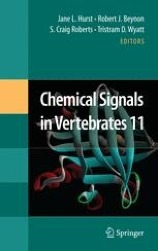
Presents the proceedings of "Chemical Signals in Vertebrates 11", hosted by the University of Liverpool and held July 25 - 28, 2006 at the University of Chester in the United Kingdom. Chemical Signals in Vertebrates 11 contains the latest research on chemical communication relevant to vertebrates, particularly focusing on new research since the last meeting in 2003. Topics covered include chemical ecology, biochemistry, behavior and neurobiology of both the main olfactory and vomeronasal systems of vertebrates, from amphibia to mammals including humans. A broad range of taxonomic groups and topics are discussed, including sections on new directions in semiochemistry, olfactory response and function, recognition within species, sexual communication, maternal-offspring communication, communication between species, and applications for zoo animal enrichment and pest control. The volume is dedicated to the memory of Dr. Bets Rasmussen and includes a special tribute chapter on her ground-breaking research on elephant communication.
This book also represents the tenth in a series of books on chemical communication, chemical ecology, olfactory and vomeronasal research in vertebrate species. The species covered in the chapters herein range from fish to mammals including humans. By taxonomic breakdown the mammals are the most represented in number of species and chapter contributions. However, the hosts of the meeting endeavored to have some representative contributions covering all of the major vertebrate taxa.

Chemical Leasing is an innovative business model within the sustainable management of chemicals. The economic benefit is achieved by selling chemicals services instead of increasing the sales volume. This book contains detailed descriptions and evaluations based on existing projects in Austria, Egypt, Russia and Mexico where in a broard range of sectors and companies the application of Chemical leasing was assisted. The book also contains political and scientific interpretations and analyses.
This book provides an overview of chemical ecology related to different ecosystems. It offers an outlook at novel directions that can be taken in chemical ecology through a molecular-ecological or eco-genomic approach. The book addresses aboveground and belowground terrestrial systems as well as aquatic systems, and the organisms involved are micro- and macro-organisms, such as plants, arthropods and mammals.
Gives the reader, through the specific selection of chemical-biological techniques and concepts, the necessary tools to be able to develop new ways of thinking and thus new therapeutic options in the complex field of chemical biology and drug development. The stated aim of this book is to provide concrete solutions and inspiration to students, (post)graduate students, and experienced scientists at universities as well as in industry in their problems.
This book’s distinguished panel of authors takes a close look at topics ranging from the major molecular players affecting DNA synthesis and the response to DNA damage to advances made in the identification of chemical compounds capable of inhibiting individual mitotic kinases. Illuminating and authoritative, Checkpoint Responses in Cancer Therapy offers a critical summary of findings for researchers in the pharmaceutical and biotechnology industries and a valuable resource for academic scientists in cancer research and the study of cell-cycle regulation, signal transduction and apoptosis.
Molecular chaperones interact with virtually every newly synthesized protein. Their role is not limited to this, as an increasing number of protein-protein interactions are found to be mediated by molecular chaperones. They reside in large complexes, in every cellular compartment, and to some extent even outside cells. These proteins are of interest to a large number of scientists, not only to those interested in protein biosynthesis, but also in relation to protein transport, organelle biogenesis, and cell stress.

Coastal ecosystems make up some of the most important, yet most endangered, regions in the world. The protection of the unique processes that take place in these ecosystems requires that partnerships be formed among ecologists, resource managers, and planners. Experienced in the challenges of coastal system analysis, the contributors to this book provide multidisciplinary guidance on the assessment and management of environmental impacts caused by development. Each chapter examines an issue important to these fragile ecosystems, first presenting a non-technical summary of the issue and a review of the current state of the knowledge, then following with data and a more detailed consideration of the topic.

سوريا - اتستراد درعا - غباغب
+963-15 2050 - 15 860 380 /1/2/3 - 11 662 3900