



الصفحة 4
الصفحة 4

Development of statin is a breakthrough therapy in Alzheimer’s prevention
Dementia is one of the diseases which had several stages and Alzheimer’s term was selected in respect for the first doctor Alzheimer who defined the first symptoms of this diseases in a woman whom was well treated by him. The fact that this is a type of a silent disease on which you have a long-term process of neurological degradation and suddenly gives symptoms which are most often irreversible, on clinical level likely we can consider it as a malignancy, one in terms of that it is sudden shocking irreversible and on the level of behavior and some mortality beside the lack of early detection tools for diagnosis...

Current Topics in Innate Immunity
This volume represents a collection of topics on natural killer cells, mast cells, phagocytes, toll like receptors, complement, host defense in plants and invertebrates, evasion strategies of microorganisms, pathophysiology, protein structures, design of therapeutics, and experimental approaches discussed during the conference.

Current Topics in Complement
Complement has been regarded as a pivotal effector arm of the innate immune response. Many scientists convened at the Third Aegean Conferences Workshop on Complement Associated Diseases, Animal Models, and Therapeutics, to discuss the advances in this field. This volume represents a collection of topics discussed during the conference.

Current medical diagnosis & treatment 2024
Emphasizes the practical features of clinical diagnosis and patient management in all fields of internal medicine and in specialties of interest to primary care practitioners and to subspecialists who provide general care.

CRP and the relation with heart disease
Cardiovascular diseases are the leading causes of mortality and morbidity in industrialized and developing countries. Many efforts have been undertaken during the last decades to identify environmental, behavioral and genetic factors modulating the risk of cardiovascular diseases.It will explain the role of CRP - an acute-phase protein- as indicator of potential cardiovascular disease as well as a predictor of the risk for heart disease and future heart attack

Cosmetic dermatology : products and procedures
Provides a highly-illustrated, clinical guide to the full range of cosmetic skin treatments. Bringing together experts from research, industry, surgery and practice, it is structured in four distinct parts for easy navigation by the busy clinician:Basic Concepts - giving an overview of the physiology pertinent to cosmetic dermatology and the delivery systems by which treatments can take effect;Hygiene Products - evaluating cleansing and moisturising products;Adornment - looking at aesthetic techniques such as cosmetics, nail protheses and hair treatment;Antiaging - ie, injectables, resurfacing and skin contouring techniques, and the rapidly growing area of Cosmeceuticals.

Coronavirus therapeutics ; Vol. II : Clinical management and public health
Provides the most comprehensive review on contemporary knowledge on the consequences during the outbreak of Coronavirus. This also describes the clinical features, diagnostic evaluation and management of Coronavirus patients. Using an integrative approach to the understanding of paradigm gap in host-pathogen interaction studies to the management of Coronavirus patients in the Intensive Care Unit to the current challenges for the effective management of Coronavirus pandemic risk factors including diabetes, hypertension, obesity and repercussion on the central and peripheral nervous system.

Coronavirus therapeutics ; Vol. I : Basic science and therapy development
Provides the most comprehensive review on contemporary knowledge on the origin and structural biology and molecular aspects of Coronaviruses. This also describes the etiology and pathogeny and therapeutic targets including vaccine drug candidates against Coronaviruses in the light of current scientific knowledge. Using an integrative approach to the understanding of Coronaviruses structure, function and immunobiology, the contributors provide a synopsis of novel mechanisms by which Coronaviruses can be treated.

Contrast Agents III : Radiopharmaceuticals - From Diagnostics to Therapeutics
The series Topics in Current Chemistry presents critical reviews of the present and future trends in modern chemical research. The scope of coverage includes all areas of chemical science including the interfaces with related disciplines such as biology, medicine and materials science. The goal of each thematic volume is to give the nonspecialist reader, whether at the university or in industry, a comprehensive overview of an area where new insights are emerging that are of interest to a larger scientific audience.This volume on radiopharmaceutical contrast agents, which also covers new developments on radiopharmaceuticals used as therapeutic drugs is the third of a series on diagnostics following a volume that was exclusively dedicated to magnetic resonance imaging and a “mixed” volume on optical, ultrasound, X-ray and radiopharmaceutical agents

Computational methods for rational drug design
Covers the tools and techniques of drug design with applications to the discovery of small molecule-based therapeutics, detailing methodologies and practical applications and addressing the challenges of techniques like AI/ML and drug design for unknown receptor structures. Divided into 23 chapters, the contributors address various cutting-edge areas of therapeutic importance such as neurodegenerative disorders, cancer, multi-drug resistant bacterial infections, inflammatory diseases, and viral infections.

Clinical pharmacy and therapeutics ; 6th ed.
Combines the skills of an interdisciplinary team of clinicians, pharmacists and nurses to present an integrated understanding of disease processes, evidence-based clinical pharmacology and optimal drug regimes.

Clinical pharmacy and therapeutics ; 5th ed.
Multi-disciplinary textbook continues to draw on the skills of pharmacists, clinicians and nurses to present optimal drug regimens. The authors integrate an understanding of the disease processes with an appreciation of the pathophysiological processes, clinical pharmacy and the evidence base. Each chapter is co-written by a pharmacist and a clinician, and each chapter begins with key points and ends with cases to test understanding.
Management of atopic dermatitis : Methods and challenges
This new edition builds upon the foundational knowledge covered in the first edition, covering the epidemiology, pathogenesis, and clinical presentation of atopic dermatitis in both pediatric and adult patients. It provides an overview of the mechanism and presentation of atopic dermatitis and focuses on the management methods experienced dermatologists have used to successfully manage atopic dermatitis. The book includes new chapters describing the special considerations for atopic dermatitis in skin of color patients, dedicated chapters on topical and oral prescription management reflected the latest FDA-approved treatments, and also a chapter covering the updated guidelines from the American Academy of Dermatology. A final chapter includes updates on the future of atopic dermatitis treatment.
Lung biology and pathophysiology
The lungs are the organ for gas exchange between the body and the external environment. Dysfunction of upper airway epithelium and smooth muscle cells leads to pathogenesis of asthma, chronic obstructive pulmonary disease (COPD), cystic fibrosis, and other conditions, resulting in airway inflammation and narrowing. Injury to alveolar epithelium and endothelium causes influx of neutrophil and protein-rich fluid from circulation, resulting in edema and disruption of gas exchange. In addition to lung structural cells, immune cells, including alveolar macrophages and lymphocytes play critical roles in the maintenance of lung function. This book contributes to the understanding homeostasis of lung cells in the physiological and pathological conditions critical to the development of novel therapeutics.

Lantibiotics as alternative therapeutics
Explores alternative therapeutics, lantibiotics and other novel drugs. This book provides concrete information to readers regarding lantibiotics and various types of antimicrobial peptides with their mode of actions in treating various multidrug resistant organisms. It explains various techniques that are involved in analyzing antimicrobial peptides and their mode of actions. The development of antibiotic resistance has now reached a point of crisis where innovative methods and application of novel compounds and methods are required to prevent the spread of drug resistant infections.

Clinical microbiology made ridiculously simple
Is a brief, clear, thorough, and updated approach to clinical microbiology, brimming with mnemonics, humor, summary charts, and illustrations. Topics include Ebola, AIDS, flesh-eating bacteria, mad cow disease, hantavirus, anthrax, smallpox, and tuberculosis; the latest antibiotics; pandemic flu, including H7N9; SARS-like coronavirus; hepatitis C treatment options; HIV diagnostics and approved HIV meds; Zika virus; measles; and a new chapter on the latest emerging infectious diseases and drug-resistant bacteria. The major update to this book is the addition of a new chapter on the SARS-COV-2 virus and COVID-19 disease, which delves into the nature of the virus such as infectivity within the body, transmission between individuals, timeline of infectivity, symptoms, risk factors, therapeutics, and vaccines approved for use.
Chromatin and Disease
It is more evident now than ever before that dynamic organization of human genome into nucleoprotein structure, chromatin confers the unique regulatory mechanisms for most of the cellular phenomena, which include replication, transcription, DNA repair, recombination and also apoptosis. The dynamic nature of the chromatin is regulated by chromatin modifications (epigenetic alterations), remodeling, histone chaperones and functional interactions of different chromatin interacting n- histone proteins. Dysfunction of this highly inter connected machineries disturb the cellular homoeostasis, and thereby causes several diseases. As we advance in our knowledge of chromatin function and also disease mechanisms in more details, their causal relationship is becoming more evident. This has lead to the identification of chromatin function as target for new generation therapeutics.
Chemokine biology : Basic research and clinical application ; Vol.1 : Immunobiology of chemokines
The discovery of interleukin-8 close to 20 years ago initiated a new field of research touching on many aspects of immunology and inflammation. Interleukin-8 is just one member of a large class of structurally related chemoattractant proteins, known as chemokines. Chemokines are involved in the traffic control of leukocytes, which bear the corresponding chemokine receptors on their surfaces. Today, it is clear that chemokines affect all aspects of immunology and even many unrelated fields, such as tissue development and tumor cell metastasis. Their fundamental contributions to chronic inflammatory diseases make them a principal target for the development of novel, anti-inflammatory therapeutics.
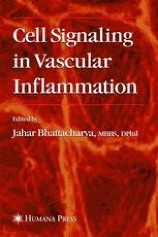
Cell Signaling in Vascular Inflammation
Although inflammatory disease of the vascular bed of the lung is a major cause of morbidity and mortality in both adult and pediatric age groups, the importance of vascular biology to its understanding, and in developing novel therapeutics, has been overlooked. In Cell Signaling in Vascular Inflammation, leading basic and clinical researchers review the signal transduction mechanisms responsible for lung inflammation, including vascular hyperpermeability, white cell accumulation, and vascular remodeling. The authors cut across disciplines to bring together a broad-based presentation of inflammatory challenge, both in the initial phases of the inflammatory response, as well as in the more prolonged phase of genomic involvement.
Cell Culture Engineering
Many patients suffering with life-threatening diseases or chronic dysfunctions, which were medically untreatable not long ago, can attest to the wonder these drugs have achieved. Although the first generation of p- tein therapeutics was produced in recombinant Escherichia coli, most recent products use mammalian cells as production hosts. Not long after the first p- duction of recombinant proteins in E. coli, it was realized that the complex tasks of most post-translational modifications on proteins could only be efficiently carried out in mammalian cells.
