


تحسين النتائح
ترتيب حسب
من
الى

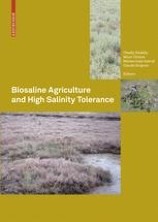
this book reviews the current state of knowledge in biosaline agriculture and high salinity tolerance in plants. It mainly focuses on the biotic approach to economically utilize the stress-prone areas by growing resistant plants.This volume comprises three sections: physiology and biochemistry, ecology, and molecular biology. Thus, a systematic approach has been adopted to uncover plant responses to various ecological factors at physiological and molecular levels.
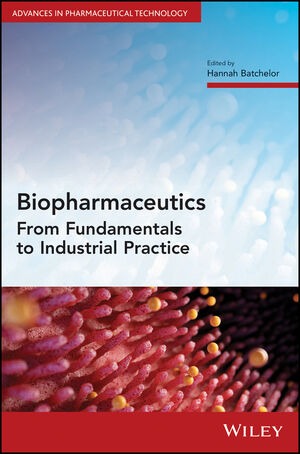
Beginning with an expansive introduction to the basics of biopharmaceutics and the context that underpins the field, the included resources go on to discuss how biopharmaceutics are integrated into product development within the pharmaceutical industry. Explorations of how the regulatory aspects of biopharmaceutics function, as well as the impact of physiology and anatomy on the rate and extent of drug absorption, follow.
Biomining is the biotechnology that uses microorganisms to recover metals, in particular copper and gold, from ores and concentrates. Having developed from a very simple operational (in terms of both engineering and biology) process, biomining has developed into a multifaceted technology, to the extent that many of the largest industrial stirred tanks and heaps throughout the world are employed for bioprocessing minerals. This book has a strong applied approach and describes emerging and established industrial processes, as well as the underlying theory of the process, and the biology of the microorganisms involved. Chapters have been written by personnel from leading biomining companies, consultants and internationally recognized researchers and academics
Biomedical EPR – Part A focuses on applications of EPR spectroscopy in the areas of free radicals, metals, medicine, and physiology. The book celebrates the 70th birthday of Prof. James S. Hyde, Medical College of Wisconsin, and his contributions to this field. Chapters are written to provide introductory material for new-comers to the field which lead into up-to-date reviews that provide perspective on the wide range of questions that can be addressed by EPR.

This book presents a concise and comprehensive review of the biology, ecology, and management of Norway spruce. It integrates classic and contemporary literature (more than 2000 works cited in the text), highlighting basic research and forestry practices in central and eastern Europe. The topics include anatomy and morphology, physiology and nutrition, reproductive biology and genetics, and ecology. In addition, it examines mycorrhiza, diseases and pests as well as silviculture and wood products. In the light of increasing threats to forest health from air pollution, climate change, and insects and disease, it provides an essential information source to those concerned with the ecology, conservation, and management of the species
Covers aspects of fundamental and applied nitrogen-fixation research, from biochemistry and chemistry through genetics, regulation and physiology to agricultural practice and environmental impact. This work describes progress on studies of potential catalysts for nitrogen fixation; how the N2-fixing process is regulated in living cells; and more.
In the last few decades more and more yeast habitats that were not investigated earlier, spanning cold climates to tropical regions and dry deserts to rainforests, have been explored. As a result, a large body of ecological data has been accumulated and the number of known yeast species has increased rapidly. This book provides an overview of the biodiversity of yeasts in different habitats. The recent advances achieved by the application of molecular biological methods in the field of yeast taxonomy and ecology are also incorporated in the book. Wherever possible, the interaction between yeasts and the surrounding environment is discussed.
The book provides an overview on biliary lithiasis and all its clinical pictures, twenty years after the first laparoscopic cholecystectomy. The gallbladder, the main bile duct and intra-hepatic stones, in their uncomplicated and complicated forms are illustrated.
The molecular genetics of the cholinergic system including both muscarinic and nicotinic acetylcholine receptors, cholinesterases, acetylcholine synthesis and release have provided significant insights into potential targeting for pharmacological intervention. Cholinergic drugs are being used or evaluated for the treatment of diseases. Thus, this volume aims to broaden our understanding of the current state of cholinergic mechanisms to enable implementation of novel approaches for the development of more effective treatments.
Concise and up-to-date coverage of the most important drugs Integration of experimental and clinical pharmacology with focus on diseases Discusses the most important drugs (400) in the context of relevant diseases. Summary tables and schemes, MCQ exam questions, case studies and a list of drugs aid memorization of the material before an exam. All chapters are written in the same concise style and use a modern and precise pharmacological nomenclature. After reading of the book, the student will be able to critically assess the proper use of the most important drugs and advise patients properly. The didactic concept of the book has been developed on the author’s own pharmacology courses for which he has received numerous teaching awards. The book takes advantage of the learning spiral, in which material is presented repeatedly from various angles.
The application of new molecular methodologies in the study of bacterial behaviour and cell architecture has enabled new revolutionary insights and discoveries in these areas. While this has also raised a number of scientific mysteries about bacteria, it certainly improved our understanding of these organisms as complex and adaptive entities rather than just simple tiny buckets of enzymes. The value of this recent knowledge in bacterial physiology is not only restricted to fundamental biology, but it also extends to biotechnology and drug-discovery disciplines where understanding cell behaviour and structure is essential for better exploitation of useful bacteria and effective eradication of harmful ones. This makes a new text accommodating recent developments in bacterial physiology highly relevant to a wide range of readership including those interested in basic and applied knowledge.
This volume tends to focus on the biology of biofilms that affect human disease. It opens with chapters that provide the reader with current perspectives on biofilm development, physiology, environmental and regulatory effects, the role of quorum sensing, and resistance/phenotypic persistence to antimicrobial agents during biofilm growth. The next chapters are devoted to common problematic biofilms, those that colonize venous and urinary catheters. The final series of chapters examines biofilm formation by four species that are important pathogens and well studied models, one of which, Yersinia pestis, cleverly adopts a biofilm state of growth within its insect vector to promote disease transmission to mammalian hosts.
The book provides an overview and the latest information on the broad spectrum of cutaneous autoimmune disorders for clinicians, scientists and practitioners in dermatology, medicine, rheumatology, ENT, pediatrics and ophthalmology. The book is unique since it presents the state-of-the-art knowledge on pathophysiology, clinical diagnosis and management of these disorders provided by the world experts in the field. The primary intention is to broaden the understanding of the pathophysiology of cutaneous autoimmune disorders and to provide a practical guide to how to identify and handle these conditions. The book is illustrated with many tables, illustrative figures and clinical color photographs. The second edition has been extended by chapters on autoimmune pigmentary disorders (vitiligo), hairloss (alopecia areata) and cutaneous symptoms of rheumatic disorders.
The volume includes a total of 62 invited papers, organized into 12 broad thematic areas: cochlear signal processing; brainstem signal processing; pitch; frequency modulation; streaming; amplitude modulation; responses to complex sounds; speech; comodulation masking release; binaural hearing; temporal coding; and plasticity
This book is a single source that provides a multi-perspective look at and approach to Atrial Fibrillation. Because Atrial Fibrillation is so prevalent and affects all areas of medicine, the information in this book will be useful to cardiologists, cardiac surgeons, researchers, and all those in the medical field.
Associative and Endophytic Nitrogen-fixing Bacteria and Cyanobacterial Associations This book is part of the seven-volume series that was launched a few years ago with the ambitious objectives of reviewing the field of nitrogen fixation from its earliest beginnings through the millennium change and of consolidating the relevant information - from fundamental to agricultural and environmental aspects – all in one place. Volume 5 covers the biology of bacteria that associate with n- leguminous plants. The subject matter includes a wide range of associations; it covers the bacterial species that associate either with the surface or within the tissues of grasses (often referred as plant growth-promoting rhizobacteria) and also the symbiotic associations that cyanobacteria form with fungi, algae, and both lower and higher plants. This volume does not deal with the Frankia-actinorhizal plant associations, which is the topic of Volume 6
A series of short papers published in Intensive Care Medicine since 2002 under the heading Physiologic Notes attempts to capture the essence of the physiologic perspectives that underpin both our understanding of disease and response to therapy. Tis present volume combines the complete list of these Physiologic Notes up until July 2006 with the ass o ciated review articles over the same in terval that also address edthese central issues.
Aortic dissection affects approximately two in ten thousand individuals and can be fatal. This state-of-the-art publication is a result of the combined efforts of participants from the International Registry of Aortic Dissection (IRAD). The book has been divided into sections. Each chapter provides a succinct overview of the current clinical literature and incorporates illustrations for further explanation.
The present volume gives a comprehensive overview on the current state of basic and clinical research on Anxiety and Anxiolytic Drugs. Using newly developed methods and techniques researchers are now beginning to understand the molecular mechanisms of anxiety, anxiety disorders and their treatment. In parallel, new drug targets have been generated and the first clinical studies with new compounds have been started. In 20 chapters written by numerous experts in the field comprehensive information on all relevant topics is provided.
Provides unique insights into the issues that drive modified dosing regimens for antibiotics in the critically ill. Leading international authors provide their commentary alongside a summary of existing evidence on how to effectively dose antibiotics. Severe infection frequently necessitates admission to the intensive care unit (ICU). Equally, nosocomial sepsis often complicates the clinical course in ICU. Early, appropriate application of antibiotic therapy remains a cornerstone of effective management. However, this is challenging in the critical care environment, given the significant changes in patient physiology and organ function frequently encountered. Being cognisant of these factors, prescribers need to consider modified dosing regimens, not only to ensure adequate drug exposure, and therefore the greatest chance of clinical cure, but also to avoid encouraging drug resistance.

سوريا - اتستراد درعا - غباغب
+963-15 2050 - 15 860 380 /1/2/3 - 11 662 3900