


تحسين النتائح
ترتيب حسب
من
الى

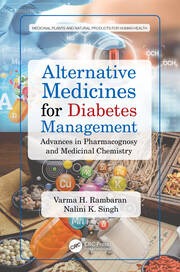
Apart from diet and exercise, the strategic use of different classes of prescribed or non-prescribed xenobiotic compounds for the restoration of euglycemic levels in the body is well known. The ongoing rivalry between the recommended usage of allopathic medicines versus ayurvedic remedies has encouraged many researchers to focus their studies on thoroughly isolating and characterizing the extracts from different parts of plants and then evaluating their relative activities via in vitro, in vivo and in some cases clinical studies.

Alginates in Drug Delivery explores the vital precepts, basic and fundamental aspects of alginates in pharmaceutical sciences, biopharmacology, and in the biotechnology industry. The use of natural polymers in healthcare applications over synthetic polymers is becoming more prevalent due to natural polymers’ biocompatibility, biodegradability, economic extraction and ready availability. To fully utilize and harness the potential of alginates, this book presents a thorough understanding of the synthesis, purification, and characterization of alginates and their derivative. This book collects, in a single volume, all relevant information on alginates in health care, including recent advances in the field.
Provides a concise overview of recent advances in Pharmacokinetics (PK) and Pharmacodynamics (PD). The pharmacokinetics section covers the state of the art in Physiologically Based Pharmacokinetic (PBPK) modeling (Chapter 1) as well as the assessment of food effect on drug absorption using PBPK modeling (Chapter 2). Chapters 3 and 4 describe the recent development of Physiologically Based Finite Time Pharmacokinetic (PBFTPK) models and their applications to pharmacokinetic data. The pharmacodynamics section focuses on PK/PD modeling. Chapter 5 provides an overview of PK/PD modeling and simulation in clinical practice and studies. Chapter 6 deals with the subject/physiology variability issue encountered in PK/PD studies, while Chapter 7 reviews the influence of clinical pharmacology in the modernization of drug development and regulation. This book is an essential reference for pharmaceutical scientists.
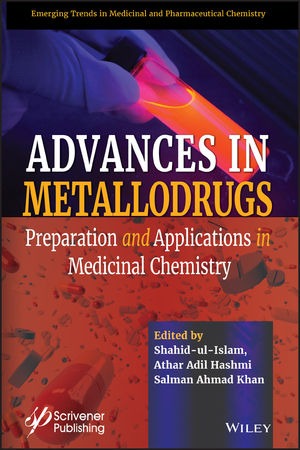
This book is organized into 12 important chapters that focus on the progress made by metal-based drugs as anticancer, antibacterial, antiviral, anti-inflammatory, and anti-neurodegenerative agents, as well as highlights the application areas of newly discovered metallodrugs. It can prove beneficial for researchers, investigators and scientists whose work involves inorganic and coordination chemistry, medical science, pharmacy, biotechnology and biomedical engineering
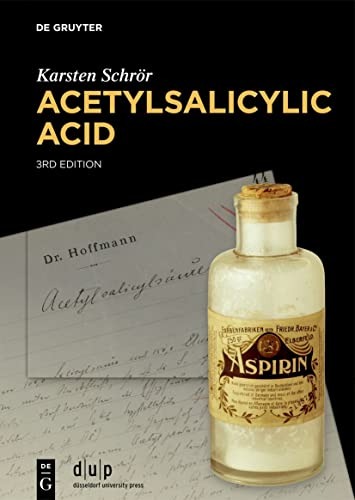
Contains the latest results of clinical and pharmacological research on Acetylsalicylic acid, addressing the multiple pharmacological properties of this famous drug with a balanced view on their translation into clinical practice, including prevention and treatment of cardiovascular diseases, thromboinflammation and colorectal cancer. Understandable for clinicians, pharmacists, biomedical researchers and pharmacologists alike.

A Sea Change in a Changing Sea The oceans, seas and coastal areas encompass over 70% of the earth’s surface. They are a critical driver of the earth’s hydrologic cycle and climate system, important for c- merce, transport, and tourism, a source of economically important living marine resources, minerals such as hydrocarbons, as well as new pharmaceutical compounds. The marine environment provides essential habitats for thousands of marine living 1 2 resources, which in turn contribute significantly to global food security, employment, 3 and trade. Overall, the sea’s contribution to human welfare, in terms of market and non-market resources and environmental services, has been estimated at US$21 trillion/year (Costanza, 2000). However, despite the importance of the ocean realm to humans, there is a growing sense that human impacts are destabilizing this system. Some experts believe that current fishing levels are approaching or exceeding the total 4 productivity of the ocean ecosystem (National Research Council, 1999).
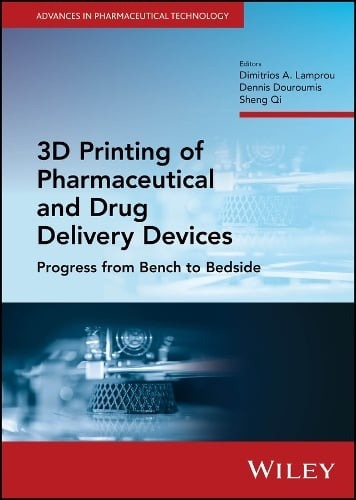
Discover the latest, fast-developing technology to help move towards more cost-effective, small-batch, decentralized manufacturing of personalized systems . 3D printing has revolutionized manufacturing. Its precision and flexibility have enabled the large-scale production of materials and devices too complex for conventional industrial manufacturing. This has been particularly revolutionary in the field of pharmaceutical production, where 3D printing is being integrated into the manufacture of both drugs and drug delivery devices. It has never been more important for industry professionals to understand this form of production.
This book is the outcome of a Global Forum on Innovation, Intellectual Property and Access to Medicines held in December 2019 at the Max Plank Instititute in Munich, organised by the South Centre and the Max Plank Institute. The academics and experts from international organisations participating have contributed chapters to this book. The book is for policy makers (in Ministries of Health, Ministries of Trade, Ministries of Foreign Affairs, patent offices), but also relevant for academics (law, trade, public health), on the flexibilities available in the Agreement on Trade Related Aspects of Intellectual Property Rights (TRIPS) of the World Trade Organization to promote access to medicines.
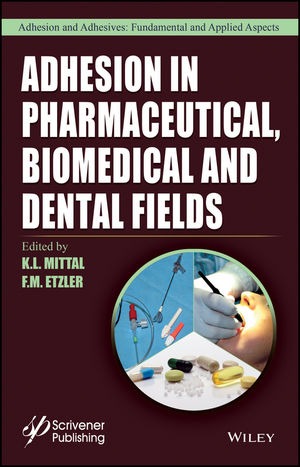
The phenomenon of adhesion is of cardinal importance in the pharmaceutical, biomedical and dental fields. A few eclectic examples will suffice to underscore the importance/relevance of adhesion in these three areas. For example, the adhesion between powdered solids is of crucial importance in tablet manufacture. The interaction between biodevices (e.g., stents, bio-implants) and body environment dictates the performance of such devices, and there is burgeoning research activity in modifying the surfaces of such implements to render them compatible with bodily components. In the field of dentistry, the modern trend is to shift from retaining of restorative materials by mechanical interlocking to adhesive bonding.
Pharmaceutical giants have doubled their investments in drug development in the past decade only to see new drug approvals remain constant. This book investigates and highlights a set of proactive strategies aimed at generating sustainable competitive advantage based on value-generating business practices. We focus on three sources of pharmaceutical innovation: new management methods in the drug development pipeline, new technologies as enablers for cutting-edge R&D, and new forms of cooperation and internationalization, such as open innovation in the early phases of R&D. Our findings are illustrated by cases from Europe, the US, and Asia.

Characteristics are used in SAP as attributes, e.g. to specify the configuration of products or the properties of batches. In many industries – engineering, automotive, mill, pharmaceutical and foods to name the most typical – supply chain planning has to consider these characteristics. APO offers many different functionalities for planning with characteristics, where each of the functionalities has some prerequisites and incompatibilities. This book offers help and advice for the basic design of the implementation by explaining the processes and scenarios (process chains) for planning with characteristics, the functionalities for planning with characteristics in APO including their prerequisites and incompatibilities and the entities, dependencies and system configuration determinants for planning with characteristics in R/3 and APO. This book is based on the releases R/3 4.7 and mySAP SCM 4.1.

Lipids are as important for life as proteins, sugars, and genes. The present book gives a multi-disciplinary perspective on the physics of life and the particular role played by lipids and the lipid-bilayer component of cell membranes. The book is aimed at undergraduate students and young research workers within physics, chemistry, biochemistry, molecular biology, nutrition, as well as pharmaceutical and biomedical sciences. The emphasis is on the physical properties of lipid membranes seen as soft and molecularly structured interfaces. By combining and synthesizing insights obtained from a variety of recent studies, an attempt is made to clarify what membrane structure is and how it can be quantitatively described. Furthermore, it is shown how biological function mediated by membranes is controlled by lipid membrane structure and organization on length scales ranging from the size of the individual molecule, across molecular assemblies of proteins and lipid domains in the range of nanometers, to the size of whole cells. Applications of lipids in nano-technology and biomedicine are also described.
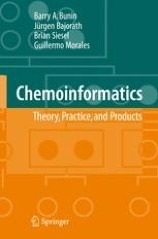
Chemoinformatics: Theory, Practice & Products covers theory, commercially available packages and applications of Chemoinformatics. Chemoinformatics is broadly defined as the use of information technology to assist in the acquisition, analysis and management of data and information relating to chemical compounds and their properties.The book also provides a summary of currently available, state-of-the-art, commercial Chemoinformatics products, with a specific focus on databases, toolkits, and modelling technologies designed for drug discovery.
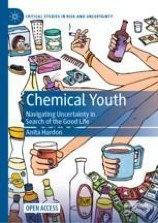
This book explores how young people engage with chemical substances in their everyday lives. It builds upon and supplements a large body of literature on young people’s use of drugs and alcohol to highlight the subjectivities and socialities that chemical use enables across diverse socio-cultural settings, illustrating how young people seek to avoid harm, while harnessing the beneficial effects of chemical use.
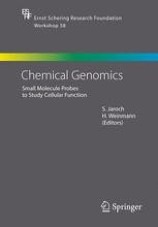
Chemical genomics is a highly interdisciplinary and very exciting field of research both in academics and in the life sciences industry.Various aspects of the interface between chemistry and biology are covered in this volume, such as chemogenomics efforts in the pharmaceutical industry, diversity-oriented synthesis, chemogenomic approaches to the study of cell function, screening technologies, and natural products as tools in chemical biology.
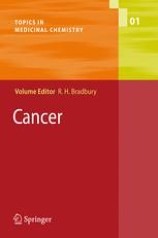
The last decade has seen a dramatic shift in anticancer drug research towards agents that aim to target selectively key regulatory and signaling processes known to drive tumorigenesis. A number of these newer agents have now been introduced into clinical practice. This volume reviews advances in cancer chemotherapy research over the last 10 years and will be of interest to scientists engaged in drug research in the pharmaceutical industry, biotechnology and startup companies, academia and government institutions. Chapters written by leading experts in their field reflect a range of current medicinal chemistry approaches to small molecule drugs, including anti-hormonal therapy, growth factor inhibition, survival signaling, cell cycle inhibition, anti-angiogenics and anti-nvasives. Each chapter aims to cover the drug target and biological rationale, chemotypes, clinical status and future prospects in this rapidly developing area of drug research.
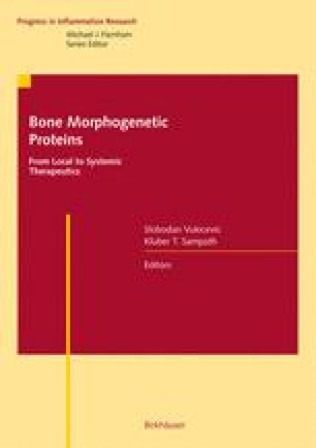
Tissue engineering is gaining interest as it is applied for regeneration of organs to attain their lost function. Although resorbable scaffolds and progenitor cell types are required principles to engineer a functional tissue locally, the inductive signal is a prerequisite to trigger the growth and differentiation of responding cells in space and time. Bone morphogenetic proteins (BMPs), also called growth and differentiation factors (GDFs), originally identified from bone have been successfully used to regenerate the bone in humans. Most recent preclinical data suggests that BMPs have a potential to provide protection against inflammation and fibrosis in acute and chronic injury of parenchymal tissues when applied systemically to sustain the function of kidney and liver. The application of BMPs from a local to systemic utility is a rapidly growing field, gaining interest among researchers and biotech entrepreneurs.

Over the past 45 years, biomineralization research has unveiled details of the characteristics of the nano-structure of various biominerals; the formation mechanism of this nano-structure, including the initial stage of crystallization; and the function of organic matrices in biominerals, and this knowledge has been applied to dental, medical, pharmaceutical, materials, agricultural and environmental sciences and paleontology. As such, biomineralization is an important interdisciplinary research area, and further advances are expected in both fundamental and applied research.
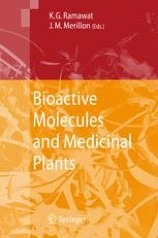
Use of medicinal plants is as old as human civilization and continuous efforts are being made to improve medicinal plants or produce their products in high amounts through various technologies. About 200,000 natural products of plant origin are known and many more are being identifed from higher plants and microorganisms. Some plant-based drugs have been used for centuries and there is no alternative medicine for many drugs, such as cardiac glycosides. However, natural products research was sidelined to pave the way for com- natorial chemistry, which was expected to produce large numbers of synthetic compounds for high-throughput screening (HTS). This line of work has failed to deliver desirable results. Moreover, it is not possible for all pharmaceutical companies and institutions to adopt costly HTS technology. Therefore, medi- nal plants and their bioactive molecules are always in demand and are a central point of research. While planning this book, we endeavored to incorporate - ticles that cover the entire gamut of current medicinal plants research.
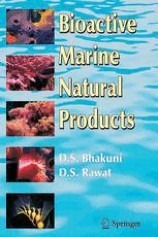
Bioactive Marine Natural Products is the first book available that covers all aspects of bioactive marine natural products. It fills the void in the literature for bioactive marine natural products. The book covers various aspects of marine natural products and it is hoped that all the major classes of bioactive compounds are included. Different classes of marine organisms and the separation and isolation techniques are discussed. The chemistry and biology of marine toxins, peptides, alkaloids, nucleosides and prostanoids are discussed in detail. Biological, toxicological and clinical evaluations are also dealt with to ensure that the book may be adopted at any stage by any practicing organic chemist or biologist, working in academia or in R&D divisions of pharmaceutical companies. Each chapter in the book includes an abstract to highlight the major points discussed in the text and concluding remarks are given. References to books, monographs, review articles and original papers are provided at the end of each chapter.

سوريا - اتستراد درعا - غباغب
+963-15 2050 - 15 860 380 /1/2/3 - 11 662 3900