



الصفحة 10
الصفحة 10
Lassativi : Impiego razionale dei lassativi nella stipsi = assatives : Rational use of laxatives in constipation
An extensive compendium on laxatives. It covers all aspects of the clinical use of laxatives complete with physiological information related to constipation. The mechanisms of action of the main classes of laxatives are widely described. The text contains illustrations that help to understand the origins of plant laxatives and the pharmacology of the most interesting ones. Doctors, pharmacists, herbalists, nurses and students will find this volume interesting and useful.

Kindling 6
A broad array of themes concerned with research on epilepsy and kindling is covered in the book: Pathogenesis of kindling, including developmental patterns; electrophysiology; anatomy, morphology, and neural circuitry; genes, species, and strains; synaptic pharmacology and neurochemistry ; Behavioral consequences of kindling ; Drugs and interventions against kindling ; Clinical relevance of kindling for our understanding of epilepsy in patients

Kinase Drug Discovery : Modern Approaches
Kinase inhibition remains an area of significant interest, and growing importance, across academia and the pharmaceutical industry. There are now many marketed drugs that target kinases and a significant number of compounds are currently in various stages of clinical development. This book is a forward-looking analysis of a number of key areas for kinase inhibition in the coming years and builds on the first volume. This includes topics such as screening approaches to target kinases along with different modes of inhibition such as allosteric and covalent. Novel approaches such as macrocyclisation are considered along with how the properties of kinase inhibitors have evolved, including the potential for brain penetration. Recent areas of great importance also covered include cutting edge molecular modelling approaches and the importance of kinase mutations.
Ketamine for Treatment-Resistant Depression : Neurobiology and Applications
Ketamine for Treatment-Resistant Depression: Neurobiology and Applications provides a simple, evidence-based overview for neuropsychiatrists and translational researchers on this medication, its mechanisms of actions, eligibility of patients for treatment, and the preparation and implementation of ketamine clinics.

Katzung's basic and clinical pharmacology
The most comprehensive and authoritative pharmacology text --updated with new content and USMLE-style questions Presented in full-color and packed with hundreds of illustrations, Basic and Clinical Pharmacology is the wide-ranging, engaging guide students have counted on for decades. To be as clinically relevant as possible, the book includes sections that specifically address the clinical choice and use of drugs in patients and the monitoring of their effects, along with case studies that introduce clinical problems. Each chapter opens with a case study, covers drug groups and prototypes, and closes with summary tables and diagrams that encapsulate important information. Updated to reflect the latest research, this sixteenth edition features a new chapter on cannabinoids, USMLE-style questions, new drug tables, and more. Basic and Clinical Pharmacology, Sixteenth Edition features: * 330 full-color illustrations * NEW: 100 drug tables * NEW: 50 USMLE-style questions * NEW: Chapter on cannabinoids * A strong emphasis on drug groups and prototypes * Case studies and chapter-ending summary tables * Organization that reflects the syllabi of pharmacology courses * Descriptions of important new drugs
Katzung & Trevor's pharmacology : Examination & board review
Excellent Q & A and rationales for course exams and USMLE Step 1. With 1,000+ board-style questions/answers and fully up-to-date content, this is the most popular review in pharmacology. Organized to reflect the syllabi in pharmacology courses, Katzung & Trevor's Pharmacology Exam and Board Review covers all current drugs and retrovirals, immunologic agents, and chemotherapies. Each chapter begins with 20 pages of informative text, followed by questions and answers, and includes concise discussions of the concepts underlying basic principles or specific drug groups. Edited by the world leading figures in pharmacology and medicine, this high-yield text focuses on basic principles, autonomic drugs, cardiovascular-renal drugs, and drugs with actions on smooth muscle, central nervous system drugs, and drugs used to treat chemotherapeutic drugs, and toxicology.

Katzung & Trevor’s pharmacology Examination and board review ; 12th ed.
An authoritative resource from the authors of pharmacology's most trusted textbook delivers a clear, concise review of fundamental concepts backed by more than 1,000 review questions and answers. With fully up-to-date content, the chapter-based approach facilitates use with course notes or larger texts.
Clinical oral medicine and pathology
The book has been well received internationally by a wide audience of clinicians, including general dentists, oral surgeons, otolaryngologists, primary care physicians, nurse practitioners, dental hygienists, physician assistants, and dermatologists, and sales have been strong among students and post-graduate residents training in medical, dental, and allied health fields, supporting the versatility of this work and serving as testimony to its value in both the academic and private practice arenas. Several key updates and improvements have been made to the second edition. All informational content has been updated to ensure accuracy and relevance, particularly in the rapidly evolving fields of oncology and pharmacology. A new chapter has been added entitled "Oral Sequelae of Cancer and Cancer Therapy" which better organizes and consolidates previous content while expanding on topics such as targeted therapies and hematopoietic stem cell transplantation. Additional clinical images have been included throughout the book so that the full clinical spectrum of any given condition is well-represented. Furthermore, the print quality, as well as the positioning and layout of the clinical images has been improved for optimal utility. Lastly, the summary boxes that follow each condition have been reconfigured with color-coded icons for improved definition, ease of use and cross-referencing.

Clinical dental pharmacology
Quick reference for drugs relevant to clinical dentistry. It delivers an essential reference for dental practitioners seeking quick, easy access to current and accurate information about drugs used by dentists in clinical practice. The book covers common drugs prescribed by dental practitioners as well as systemic medications which may impact on provision of clinical dental care. A separate section on recognition and management common medical emergencies in dental practice is also included.

Clinical cases in dental hygiene
An indispensable resource to understanding both the theory and practice of dental hygiene, illustrated by real-life cases in a clinically relevant format. Offers a unique case-based format that supports problem-based learning Promotes independent learning through self-assessment and critical thinking Includes a wealth of relevant cases for understanding dental procedures and management of patients. Covers all essential topics within the scope of dental hygiene
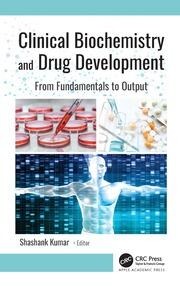
Clinical biochemistry and drug development : From fundamentals to output
Focuses on clinical biochemistry fundamentals, cell culture techniques, and drug discovery and development concepts. It deals with three different fields of clinical research: cell culture, clinical biochemistry, and drug discovery and development.
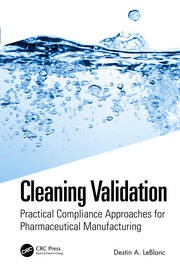
Cleaning validation : Practical compliance approaches for pharmaceutical manufacturing
Timely coverage of cleaning validation for the pharmaceutical industry, a dynamic area in terms of health-based limits. Encourages pharmaceutical manufacturers, and particularly upper management, to meet the challenges of the science-based and riskbased approaches to cleaning validation. Draws on the author’s vast experience in the field of cleaning validation and hazardous materials. Discusses EMA vs. ISPE on Cleaning Limits and revised Risk-MaPP for highly hazardous products in shared facilities. A diverse list of topics from protocol limits for yeasts and molds to cleaning validation for homeopathic drug products.
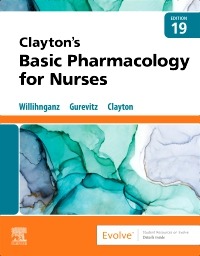
Claytons basic pharmacology for nurses
Helps you understand the principles of pharmacology and apply them to nursing practice. Known for its practical application of the nursing process to drugs and disorders, this book explains how to make informed decisions about drug therapy, educate patients, and administer medications. This edition adds new Next Generation NCLEX® (NGN)-style case studies and questions to prepare you for the critical thinking questions on the NGN exam. Concise and easy to use, this text teaches the basics of medication administration and drug actions.

Chemotherapy and pharmacology for leukemia in pregnancy : Guidelines and strategies for best practices
The book addresses a broad range of subjects, including: pregnancy and its characteristics; staging, pathology, morbidity and what to expect in each type of leukemia; chemotherapy for leukemia in pregnant women with complete trials; dose adjustment of chemotherapy for leukemia in pregnancy based on serum dosages; and pharmacokinetics and pharmacodynamics for this unique group of patients. In turn, subsequent chapters focus on protecting the fetus and neonatal management regarding chemotherapy for leukemia in pregnancy, including the treatment and risks for the fetus (for each type of leukemia), intrathecal therapy and its effects on the fetus; supportive drugs, antibiotics and antifungals for pregnant patients during chemotherapy, including intervention and dose adjustments; palliative care for women with leukemia in pregnancy; breastfeeding during treatment for leukemia; pharmacological aspects of supplements, vitamins and nutrition in pregnancy during leukemia treatment; and more.
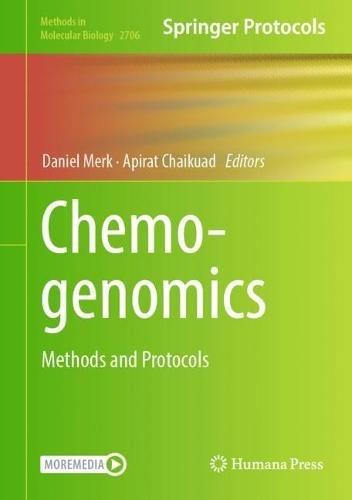
Chemogenomics : Methods and protocols
Presents both theoretical guidance and protocols on chemogenomics including chemogenomics library assembly, compound profiling, and phenotypic assays. The chapters in this book cover topics such as the assembly and use of Kinase Chemogenomics; data mining for chemogenomic compound candidates; protocols for protein family-focused assay systems to profile chemogenomic compounds; functional and target engagement assays in cellular settings for broad characterization; and a discussion on phenotypic assays where chemogenomic sets may be applied.
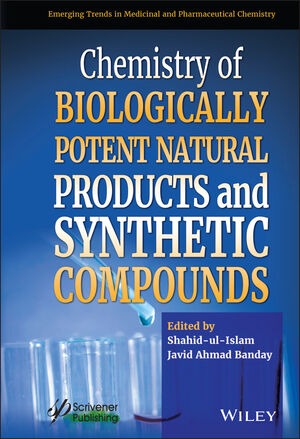
Chemistry of Biologically Potent Natural Products and Synthetic Compounds
Several novel natural product derivatives, heterocyclic and other synthetic compounds, have been reported to have shown interesting biological activities including anticancer, antimicrobial, anti-inflammatory, anti-glycemic, anti-allergy and antiviral etc. Provides up-to-date information on new developments and most recent medicinal applications of the natural products and derivatives, as well as the chemistry and synthesis of heterocyclic and other related compounds.
Chemistry and Safety of Acrylamide in Food
Specifically covered are the following aspects: exposure from the environment and the diet; biomarkers of exposure; risk assessment; epidemiology; mechanism of formation in food; biological alkylation of amino acids, peptides, proteins, and DNA by acrylamide and its epoxide metabolite glycidamide; neurotoxicity, reproductive toxicity, and carcinogenicity; protection against adverse effects; and possible approaches to reducing levels in food. Cross-fertilization of ideas among several disciplines in which an interest in acrylamide has developed, including food science, pharmacology, toxicology, and medicine, will provide a better understanding of the chemistry and biology of acrylamide in food, and can lead to the development of food processes to decrease the acrylamide content of the diet.
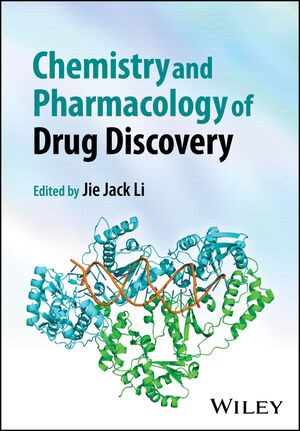
Chemistry and pharmacology of drug discovery
Illustrates how chemistry, biology, pharmacokinetics, and a host of disciplines come together to produce successful medicines, discussing a total of 20 drugs that are all FDA-approved post 2021. Cover Infectious Disease, Cancer Drugs, CNS Drugs, and Miscellaneous Drugs. Each chapter covers background material on the drug class and/or disease indication and key aspects relevant to the discovery of the drug, including structure-activity relationships, pharmacokinetics, drug metabolism, efficacy, and safety.
Chemical and clinical applications of tempol : A marvelous molecule
A comprehensive and authoritative exploration of Tempol (4-Hydroxy-TEMPO), an exceptional chemical compound with diverse applications in both scientific research and medical practice. This book delves into Tempol's unique properties, mechanisms of action, and its potential role in combating oxidative stress-related disorders. Includes a chapter devoted to the safe handling, storage, and disposal of Tempol in compliance with pharmaceutical regulations. The authors pay particular attention to pharmaceutical regulations in the industry.
Characterization of Pharmaceutical Nano- and Microsystems
Offers readers a full understanding of the basic physicochemical characteristics, material properties and differences between micro- and nanosystems. It explains how and why greater experience and more reliable measurement techniques are required as particle size shrinks, and the measured phenomena grow weaker.
