



الصفحة 1
الصفحة 1

Emerging and Young Adulthood : Multiple Perspectives, Diverse Narratives
The delayed onset of maturity from adolescence to adulthood is gaining the considerable attention of scholars, not to mention that of the parents and the young adults themselves. The chapters in this volume examine the experiences of numerous individuals in their 20s and early 30s – as well as parents and employers – the end result of which is a finely nuanced, research-based portrait of today’s aging adolescents and the increasingly high hurdles they must jump to reach full-fledged adulthood.

Eating disorders
What is an Eating Disorder (ED)? Eating disorders are a type of serious mental health condition characterized by severe disturbances in eating behaviors and related to persistent eating behaviors that negatively impact your health, your emotions and your ability to function in important areas of life. Most eating disorders involve focusing too much on your weight, body shape and food, leading to dangerous eating behaviors. These behaviors can significantly impact your body's ability to get appropriate nutrition. Eating disorders can harm the heart, digestive system, bones, and teeth and mouth, and lead to other diseases. Eating disorders affect several million people at any given time, ED often develop in the teen and young adult years, although they can develop at other ages. Eating disorders can affect people of all genders, ages, races, religions, ethnicities, sexual orientations, body shapes, and weights.

Depression around us
Depression is a serious medical illness. It's more than just feeling of being sad or "blue" for a few days. If you are one the more 19 million teens and adults in the United States who have depression, the feelings do not go away. They persist and interfere with your everyday life. Depression is a disorder of the brain. There with your everyday life. Depression is a disorder of the brain. There are a variety of causes, including genetic, biological, environmental, and psychological factors. Depression can happen at any age, but it often begins in teens and young adults. It is much more common in women. Women can also get postpartum depression after the birth of a baby. Some people get seasonal affective disorder in the winter.

Landscapes of Lifelong Learning Policies across Europe : Comparative Case Studies
This book explores different landscapes of Lifelong Learning policies (LLP), producing case-based examinations of their institutional, discursive, and relational dimensions. Across Europe, young people develop their life courses amidst diverse living conditions and are confronted with a variety of institutional and structural arrangements that impact on their opportunities in education and labour. Considering the relevance of LLP in shaping those opportunities, the chapters draw from multi-level, mixed-methods research and offer original insights on the interplay of discourses and governance patterns in the processes of policy-making and deliverance. The book yields noteworthy insights into the widely differing realities across the European landscape, and also into the diverging ways young people deal with and actively participate in LLP.

La riabilitazione dei disturbi cognitivi nella sclerosi multipla = The rehabilitation of cognitive disorders in multiple sclerosis
Multiple sclerosis is one of the most frequent causes of chronic disability in young adults. It mainly affects individuals between 20 and 50 years of age, with a peak of incidence around the age of 30. This disease is characterized by the presence of demyelinating lesions of an inflammatory nature disseminated in the central nervous system. The different localization of these lesions is at the basis of the variability of clinical symptoms which can be characterized by motor, sensory, neurovegetative and cognitive disorders. The latter concern about half of the patients affected by this pathology and have a significant impact on the personal, family and work situation of these patients.

Children's diabetes
Diabetes in infants, toddlers, older children, and adolescents poses serious physical, mental, and emotional challenges. Striking a balance among hypoglycemia/hyperglycemia, growth/development, and other life factors is not easy for health care providers, patients, or families. In addition, personal, family, or environmental conditions present before the onset of diabetes may compound the delicate balance needed to maintain good glycemic control. Therefore, there is a great need, especially at the time of initial diagnosis, to assess the developmental, behavioral, and psychosocial history of children with diabetes and their families.
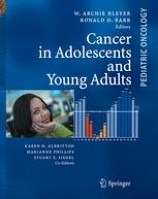
Cancer in adolescents and young adults
The chapters highlight the initial efforts of this Committee in addressing the scope of the problem of adolescent and young adult underrepresentation in clinical trials and offer evidence that such adiscrepancy may partially explain outcome differences.In addition, these chapters present information about biologic differences between specific cancer subtypes most common in younger children and those exhibited by the same cancers in adolescents and young adults, and offer plausible explanations for outcome differences as well as potential treatment strategies.

Alcohol problems in adolescents and young adults : Epidemiology. neurobiology. prevention. and treatment
Alcohol continues to be the substance of choice for today’s youth, leading to serious physical, psychological, and social consequences. Alcohol Problems in Adolescents and Young Adults ably addresses this growing trend. The latest entry in the Recent Developments in Alcoholism series, it comprehensively presents a wide-ranging clinical picture of teen drinking - epidemiology, neurobiology, behavioral phenomena, diagnostic and assessment issues, prevention and treatment data - in a developmental context. Fifty expert contributors display the scientific rigor, practical wisdom, and nuanced analysis that readers have come to expect from previous volumes.

Acne Vulgaris in women
Acne is a disorder of the hair follicles and oil glands (sebaceous glands). The sebaceous glands secrete oils (sebum) to keep the skin moist. When the glands get clogged, it can lead to pimples and cysts. It is very common disease. People of all races and ages get acne, but it is most common in teens and young adults. Acne can continue into adulthood, and when it does, it is more common in women. For many people who have acne, the skin disease affects more than their appearance. Acne can take a toll on one’s emotional health.
