



الصفحة 1
الصفحة 1

Nutrigenomics and nutraceuticals
Provides an authoritative and comprehensive overview of the field of nutraceuticals and genomics—also called nutrigenomics, a rapidly growing field. It discusses both nutrigenomic and nutrigenetic techniques to investigate the nutritional basis of several health disorders because scientists have found that diet can affect gene expression. The book covers the nutrigenomic tools for the prevention of disease conditions such as cancer, viral infection, microbial infection, COVID-19, HIV/AIDS, tuberculosis, hypertension, neurodegenerative disease, obesity, baldness, and anemia. Some nutrigenomic tools that can also be used for brain health, weight loss, human nutrition, skin care, and maintaining health during pregnancy are also explored.

Nutraceuticals in obesity management and control
Provides detailed information on nutraceuticals that can be helpful in the control and management of obesity. It clarifies key aspects of nutraceuticals that include sources, extraction, chemistry, mechanisms of action, pharmacology, bioavailability, safety, and various applications. Beginning with a concise overview of the prevalence of obesity, complications related to obesity, and current treatment regimens, the volume delves into the roles of functional foods and nutraceuticals for the management of body weight and for alleviating obesity comorbidities. It goes on to discuss the effect of some of the most commonly and frequently used naturally occurring nutraceutical substances, along with their mechanisms of action in controlling obesity. The volume looks at the role of nutraceutical fruits as well as the beneficial aspects of carotenoids in fruits and vegetables and explores antioxidant-rich nutraceuticals, the role of vitamins and supplements, the use of green tea, and the potential of pseudocereals and spices in the management of metabolic syndrome.
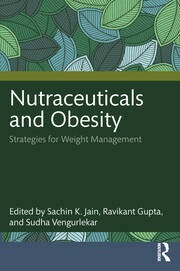
Nutraceuticals and obesity strategies for weight management
his comprehensive volume explores the role that nutraceuticals can play in addressing obesity, shedding light on their potential as tools to promote sustainable weight management strategies as well as addressing associated health risks. Delving into the intricate interplay between nutrition, health, and obesity, the book provides a compelling account that illustrates how nutraceutical interventions can be incorporated into holistic obesity management strategies. It begins with an account of the mechanisms by which nutraceuticals function before featuring chapters on their efficacy and safety, how they can be integrated with other therapeutic interventions, and how they can be tailored for individuals with comorbidities. Offering a global perspective on the issue, there is also coverage of the various regulatory contexts in which nutraceuticals are sold and used.

Minimally Invasive Bariatric Surgery
This book covers the full spectrum of laparoscopic weight loss surgery and the pathophysiology of obesity. The chapter authors, all currently operating experts in the field, cover the essentials of establishing a bariatric surgery program, including equipment needs, guidelines for training, and patient selection. The operative chapters discuss in full detail the surgical techniques and outcomes, including laparoscopic VGB, laparoscopic adjustable gastric banding, laparoscopic Roux-en-Y, and laparoscopic malabsorption procedures. The text also tackles post-operative issues, such as complications, reoperation, plastic surgery after weight loss, nutritional issues, and pregnancy following obesity surgery.

Intermittent fasting
The potential benefits of intermittent fasting are not limited to weight loss and weight management. Recent studies have shed light on its role in adaptive cellular responses that reduce oxidative damage and inflammation, optimize energy metabolism and bolster cellular protection. By reprogramming metabolic and stress resistance pathways, intermittent fasting has the possible ability to increase longevity and reduce aging. Studies on animals have given promising result that show how intermittent fasting help prevent and treat diseases like diabetes, cancers, heart disease and neurodegeneration. Major mechanisms hypothesized to link fasting regimens with human health: circadian biology and the gastrointestinal microbiota.

Insulin resistance
Insulin is a peptide hormone secreted by the B cells of the pancreatic islets of Langerhans and maintains normal blood glucose levels by facilitating cellular glucose uptake, regulating carbohydrate, lipid and protein metabolism and promoting cell division and growth through its mutagenic effects.

Gastroesophagal reflux disease (GERD)
Gastroesophageal reflux disease (GERD) is a common disease with a high prevalence worldwide and a great socioeconomic burden. GERD is a multifactorial disease in which anatomical and functional factors both play a pathogenetic role. The disease can manifest in various symptoms which can be grouped into typical, atypical and extra-esophageal symptoms. The pathophysiology of GERD is complex and not completely understood. An abnormal LES pressure and increased reflux during transient LES relaxations are believed to be key etiologic factors. Prolonged exposure of the esophagus to acid is another. Heartburn and acid regurgitation are the most common symptoms of GERD, although pathologic reflux can result in a wide variety of clinical presentations.

Diabetes Mellitus & Recent developments
Diabetes mellitus is a group of metabolic disease characterized by hyperglycemia resulting from defect in insulin secretion, insulin action, or both. Symptoms of marked hyperglycemia include polyuria, polydipsia, weight loss, sometimes with polyphagia, and blurred vision. Frequency of diabetic in the world About 1 in 11 adults worldwide now have diabetes mellitus, 90% of whom have type 2 diabetes mellitus (T2DM). Asia is a major area of the rapidly emerging T2DM global epidemic Classification Of Diabetic Mellitus. 1-Type 1 diabetes: which accounts for only5–10% of those with diabetes, results from a cellular-mediated autoimmune destruction of the cells of the pancreas. 2-Type 2 diabetes: which accounts for90 –95% of those with diabetes, result from insulin resistance. The chronic complications of diabetes mellitus affect many organ systems and are responsible for the majority of morbidity and mortality. Such as, retinopathy, diabetic foot, neuropathy, and nephropathy, sexual dysfunction, and skin changes.

Keto diet
It‘s a low-carb, high-fat eating plan. Most of what you eat is fat, whether that‘s unsaturated fats like nuts, seeds, and avocados, or saturated fats like butter and coconut oil. About 20%-30% of your diet is protein, either lean (like chicken breast) or fatty (like bacon). You‘re supposed to strictly limit carbs, even those that are typically considered healthy, such as beans, whole grains, milk, and many types of fruits and vegetables...
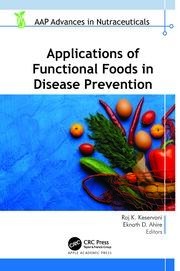
Applications of functional foods in disease prevention
Functional food sources are growing in popularity because they are exceptionally nutritious and provide amazing medical advantages. They can help ensure against infection, prevent supplement deficiency, and advance appropriate health development and improvement. With illustrative case studies, this new volume explores the many roles of functional foods in the prevention and management of various diseases, including diabetes, autism spectrum disorder, weight loss and obesity, microbial infections, ulcers and other gastrointestinal diseases, mental disorders and brain health, cardiac health and cardiovascular diseases, osteoporosis and bone health, and more.

Anti-Obesity drugs
As a chronic and relapsing disease, obesity impairs metabolism and causes diabetes, cardiovascular diseases and cancer. Although behavioral modification is important for the treatment of obesity, it is difficult to achieve an ideal weight or sustain the process of long-term weight loss. Therefore, the obesity control guidelines strongly recommend lifestyle interventions along with medical treatment for patients who are overweight. There is sufficient evidence supporting that pharmacotherapy in combination with behavior-based interventions can result in significant weight loss and improvement of the health.
A Primer for the Exercise and Nutrition Sciences : Thermodynamics, Bioenergetics, Metabolism
Provides a fresh approach to the study of energy expenditure by introducing the latest concepts in open system thermodynamics and cellular to whole-body energy exchange. A journey is undertaken by the reader, beginning with what energy is and where the energy in glucose is found, and ending with the concept of high versus low intensity exercise in augmenting weight loss.
