


تحسين النتائح
ترتيب حسب
من
الى

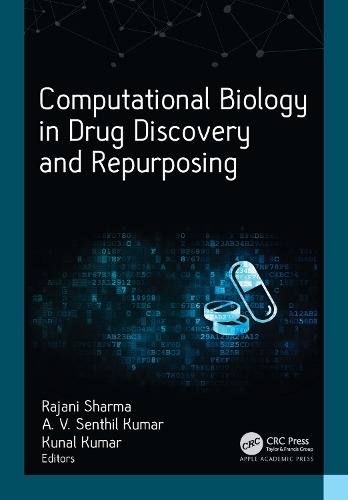
Takes an in-depth look at the emerging and prospective field of computational biology and bioinformatics, which possesses the ability to analyze large accumulated biological data collected from sequence analysis of proteins and genes and cell population with an aim to make new predictions pertaining to drug discovery and new biology. The book explains the basic methodology associated with a bioinformatics and computational approach in drug designing. It then goes on to cover the implementation of computational programming, bioinformatics, pharmacophore modeling, biotechnological techniques, and pharmaceutical chemistry in designing drugs. The major advantage of intervention of computer language or programming is to cut down the number of steps and costs in the field of drug designing, reducing the repeating steps and saving time in screening the potent component for drug or vaccine designin

Is a brief, clear, thorough, and updated approach to clinical microbiology, brimming with mnemonics, humor, summary charts, and illustrations. Topics include Ebola, AIDS, flesh-eating bacteria, mad cow disease, hantavirus, anthrax, smallpox, and tuberculosis; the latest antibiotics; pandemic flu, including H7N9; SARS-like coronavirus; hepatitis C treatment options; HIV diagnostics and approved HIV meds; Zika virus; measles; and a new chapter on the latest emerging infectious diseases and drug-resistant bacteria. The major update to this book is the addition of a new chapter on the SARS-COV-2 virus and COVID-19 disease, which delves into the nature of the virus such as infectivity within the body, transmission between individuals, timeline of infectivity, symptoms, risk factors, therapeutics, and vaccines approved for use.

Guide readers through circular RNA purification, in silico characterization, circRNA detection, sequence validation, quantification , techniques related to gain- and loss-of-function approaches, circular RNA synthesis, split ligation, engineering, nanoparticle packaging, RNA modifications on circular RNA biogenesis, RNA translation potential, and vaccines based on circular RNAs.

The volume offers a synthetic and updated picture of a complex topic that includes the multifactorial etiopathogenesis of cervical cancer, the characteristics of the virus, the dynamics of HPV infections, the histological lesions of the cervix leading to cervical cancer. and the characteristics of the various surgical treatments, the current strategies for early diagnosis through the use of molecular assays currently on the market, up to the trials of the two vaccines recently registered also in Italy.
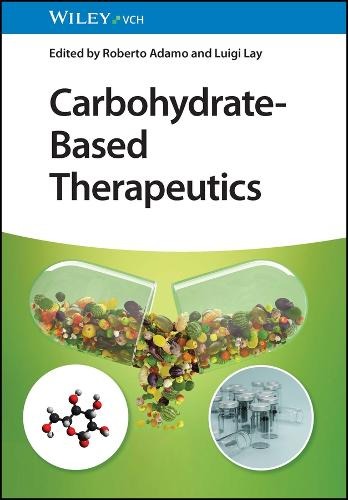
Explores new frontiers in carbohydrate-based therapeutic applications, utilizing a unique approach by providing a detailed background of diseases coupled with subsequent carbohydrate-based therapies. The link between chemistry and design of novel carbohydrate-based medicines is highlighted and a broad overview of all the potential applications of carbohydrates is given. Emphasis is laid on concepts used for carbohydrate drug design, structure– activity relationship, and impact on health and diseases. The text also discusses newer topics like nanoparticles, material science, and tissue generation.
Presents the clinical scope of cancer immunotherapeutic agents for solid tumors and Hematologic malignancies, elaborates on the scientific details of their modes of action, and presents the impact of these agents on oncology, patients and the broader healthcare system. At present, cancer immunotherapies fall broadly into three categories: immune checkpoint inhibitors (ICIs), adoptive T cell therapies, and cancer vaccines which have distinct mechanisms of action. Immune checkpoint inhibitors rely upon disrupting tumor antigen recognition as self by the immune system through inhibition of checkpoint molecules. Adoptive T cell therapies involve the engineering of T cells ex vivo to target and destroy tumor cells. The first part of this book will provide an overview of the discovery and mechanistic details of the technology. The second part will be devoted to elaborating on the clinical outcomes, successes and limitations for specific tumor subtypes, which includes both solid tumors and hematologic malignances for both pediatric and adult populations.
Covers delivery strategies of cancer vaccines for the management of various forms of carcinoma, examining the prospects of delivering immuno-oncology therapies, focusing specifically on effective drug delivery strategies for the treatment of lung, prostate, and pancreatic carcinomas.
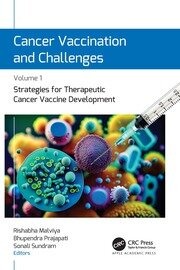
Deals with different strategies of cancer vaccine development, focusing on techniques for the development of therapeutic cancer vaccines and the roles of tumor antigens, proteins/peptides, microbial genes, and stem cells for the development of vaccines for cancer management.
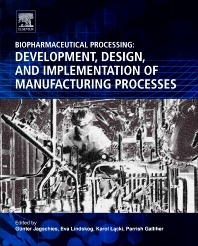
Biopharmaceutical Processing: Development, Design, and Implementation of Manufacturing Processes covers bioprocessing from cell line development to bulk drug substances. The methods and strategies described are essential learning for every scientist, engineer or manager in the biopharmaceutical and vaccines industry. The integrity of the bioprocess ultimately determines the quality of the product in the biotherapeutics arena, and this book covers every stage including all technologies related to downstream purification and upstream processing fields. Economic considerations are included throughout, with recommendations for lowering costs and improving efficiencies.
Source of the latest innovative research and technical development in biomanufacturing systems. It is organised into 2 parts: 1) Manufacturing of recombinant therapeutic proteins (e.g. therapeutic antibodies, biosimilars/biogenerics) and 2) Manufacturing aspects of cell and gene therapy. Each with selected chapters on the following topics for both up- and downstream, such as: Advanced process strategies, especially continuous manufacturing, Advanced culture techniques, especially single-use systems, Process transfer, scale-up/scale-down models, Processing advances/Manufacturing productivity/efficiency, Model-assisted process understanding and development/Digital Twins, Process controls and analytics, Quality control, Quality by design, Facility design and full-scale commercial systems, manufacturing technology innovation.
Biopharmaceutical Drug Design and Development, Second Edition, updates the widely successful first edition, published in 1999. This new, expanded edition investigates the dozens of new biopharmaceutical drugs that have become available since the publication of the first edition. Among the drugs discussed are ones in the categories of monoclonal antibodies for in-vivo use, cytokines, growth factors, enzymes, immunomodulators, thrombolytics, and immonotherapies including vaccines. Additionally, the volume examines new and emerging technologies, such as bioinformatics, DNA microarrays, transgenics, therapeutic gene delivery, stem cells, nucleic acid-based therapeutics, and macromolecular drug delivery. Authors also study pharmacogenetics in the clinic and changes in biologic drug approval at the FDA. Biopharmaceutical Drug Design and Development, Second Edition, is a worthy sequel in the discussion on the dynamic, exciting field of biotechnology.
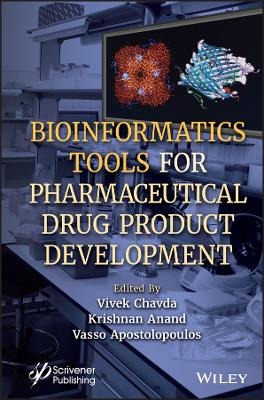
Presents the latest information on bioinformatics tools, artificial intelligence, machine learning, computational methods, protein interactions, peptide-based drug design, and omics technologies. And include bioinformatics tools for the pharmaceutical sector and the healthcare sector. Bioinformatics brings a new era in research to accelerate drug target and vaccine design development, improving validation approaches as well as facilitating and identifying side effects and predicting drug resistance. As such, this will aid in more successful drug candidates from discovery to clinical trials to the market, and most importantly make it a more cost-effective process overall.

Provides up-to-date guidance on techniques used to work with baculoviruses and insect cells. The book provides basic methods to create recombinant baculoviruses, to improve productivity, to produce a variety of products, to purify products, to quantify baculovirus stocks or to quantify product produced, and it concludes with alternative uses of either baculovirus or insect cells as tools. Written for the highly successful Methods in Molecular Biology series, chapters include introductions to their respective topics, lists of the necessary materials and reagents, step-by-step and readily reproducible laboratory protocols, and tips on troubleshooting and avoiding known pitfalls.

Active specific immunotherapy is a promising but investigational modality in the management of cancer patients. Currently, several different cancer vaccine formulations such as peptides, proteins, antigen-pulsed dendritic cells, whole tumor cells, etc. in combination with various adjuvants and carriers are being evaluated in clinical trials (1-3). To determine the optimal cancer
Provides a comprehensive review of the fundamental and practical aspects of bioanalytical support and the integral role it plays in the development of safe and efficacious biopharmaceutical drugs with speed and cost-effectiveness. Focuses on a broad range of conventional and emerging biopharmaceutical modalities including monoclonal antibody-based therapeutics, gene therapy, cell therapy, peptides and oligonucleotides.
This book is the outcome of a Global Forum on Innovation, Intellectual Property and Access to Medicines held in December 2019 at the Max Plank Instititute in Munich, organised by the South Centre and the Max Plank Institute. The academics and experts from international organisations participating have contributed chapters to this book. The book is for policy makers (in Ministries of Health, Ministries of Trade, Ministries of Foreign Affairs, patent offices), but also relevant for academics (law, trade, public health), on the flexibilities available in the Agreement on Trade Related Aspects of Intellectual Property Rights (TRIPS) of the World Trade Organization to promote access to medicines.
includes 22 new codes, 14 revisions, and 2 deleted codes across 8 categories. This edition also includes seven new codes adopted in March 2022 related to COVID-19 vaccine administration. Other highlights in CDT 2023 include new and revised codes for: Intraoral tomosynthesis and 3D surface scans; HPV vaccine administration; Guided tissue regeneration; Intraoral radiograph images; Gingival flap procedures; Full mouth debridement; Gingival irrigation.
Presents a focused overview of biocompatible nanocomposites, emphasizing recent advancements in material design, synthesis techniques, and their expanding applications in biomedicine. It spans key areas such as regenerative medicine, drug delivery, cancer therapy, biosensing, diagnostic imaging, and vaccine delivery —illustrating how these materials are transforming modern healthcare. The book reviews widely used biomaterials including polycaprolactone, bioactive ceramics, and polymer-based hybrids, discussing their roles in cardiovascular, orthopedic, dental, maxillofacial, and ophthalmic applications.
The construction of mathematical models is an essential scientific activity. Mathematics has long been associated with developments in the exact sciences and engineering, but more recently mathematical modelling has been used to investigate complex systems that arise in many other fields. The contributors to this book demonstrate the application of mathematics to modern research topics in ecology and environmental science, health and medicine, phylogenetics and neural networks, theoretical chemistry, economics and management. The reader will find some review papers outlining current research directions in hot topics such as pattern formation and applications to medicine, and more targeted research papers on current developments in the various disciplines included.

سوريا - اتستراد درعا - غباغب
+963-15 2050 - 15 860 380 /1/2/3 - 11 662 3900