


تحسين النتائح
ترتيب حسب
من
الى

Mammalian and Avian Transgenesis presents a collection of novel methods for the production of a wide range of transgenic animals. The manual focuses largely on mice, but also contains protocols for successful transgenesis in rats, cows, pigs and birds. The manual provides detailed, step-by-step protocols covering all aspects of the production of transgenic animals, including the use of lentiviral vectors in gene transfer, intracytoplasmic sperm injection, nuclear transfer, large insert transgenesis, conditional gene expression systems, the use of reporter genes in transgenesis and transgenesis in large animals and birds. The text is supplemented by superb color photos. While the focus is on newly established techniques, the fundamental methods of transgenesis are also covered for those new to the field. Thus this manual is perfectly suited for those wishing to adopt new technologies in transgenesis.

What is the future of genetically modified (or transgenic) conifer plantations? The content of this edited volume Landscapes, Genomics and Transgenic Conifers addresses this question directly - and indirectly - using language drawn from policy, forest history, genomics, metabolism, pollen dispersal and gene flow, landscape ecology, evolution, economics, technology transfer and regulatory oversight. Although the book takes its title from a Nicholas School Leadership forum held November 17-19, 2004 at Duke University, its de novo contents move past the forum’s deliberations. The result is a trans-disciplinary book composed of 14 chapters written by a total of 31 authors working in North America, South America, Europe and Africa.
The present book provides a comprehensive overview of our current knowledge on plastid biogenesis, plastid-nuclear communication, the regulation of plastid gene expression at all levels, and also assesses the state of the art in key technologies, such as proteomics and chloroplast transformation. Written by recognized experts in the field, it covers plastid differentiation and division, genome structure and function, plastid inheritance, recombination, DNA replication and repair, transcription, RNA processing and translation as well as crucial posttranslational processes in plastid biogenesis and function, including protein processing, the assembly of multiprotein complexes, protein stability and degradation, protein import and sorting.
Bone Resorption, the second volume in the series Topics in Bone Biology, deals with the osteoclast, the bone-resorbing cell, its origins, its enzymes, the regulation of osteoclast activity, and structural aspects of bone resorption. Diseases involving osteoclast function are discussed from the genetic viewpoint in two chapters that span transgenic mouse models to human pathology. Another chapter treats diseases of osteoclast function. Because osteoporosis may be considered a disease in which the bone resorption rate exceeds formation, a separate chapter deals with current and potential therapeutic approaches to this widespread disease that affects both men and women. Bone metastases and an analysis of the central role of the osteoclast in this condition are treated in the concluding chapter.

Biopharmaceutical Drug Design and Development, Second Edition, updates the widely successful first edition, published in 1999. This new, expanded edition investigates the dozens of new biopharmaceutical drugs that have become available since the publication of the first edition. Among the drugs discussed are ones in the categories of monoclonal antibodies for in-vivo use, cytokines, growth factors, enzymes, immunomodulators, thrombolytics, and immonotherapies including vaccines. Additionally, the volume examines new and emerging technologies, such as bioinformatics, DNA microarrays, transgenics, therapeutic gene delivery, stem cells, nucleic acid-based therapeutics, and macromolecular drug delivery. Authors also study pharmacogenetics in the clinic and changes in biologic drug approval at the FDA. Biopharmaceutical Drug Design and Development, Second Edition, is a worthy sequel in the discussion on the dynamic, exciting field of biotechnology.
Reflects the spirit and scientific excellence of the 18th ESACT meeting in different chapters. This book presents, in form of short papers, a high number of the contributions to the meeting, and has been prepared with the aim to provide a relevant reference of the research efforts in Animal Cell Technology
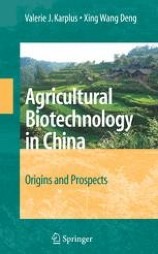
Building on a long tradition of agricultural advances, Chinese scientists have applied biotechnology techniques to develop hundreds of novel crop varieties suited to local farming conditions and challenges.Agricultural Biotechnology in China: Origins and Prospects is a comprehensive examination of how the origins of biotechnology research agendas, along with the effectiveness of the seed delivery system and biosafety oversight, help to explain current patterns of crop development and adoption in China. Based on firsthand insights from China’s laboratories and farms, Valerie Karplus and Dr. Xing Wang Deng explore the implications of China’s investment for the nation’s rural development, environmental footprint, as well as its global scientific and economic competitiveness.

سوريا - اتستراد درعا - غباغب
+963-15 2050 - 15 860 380 /1/2/3 - 11 662 3900