



الصفحة 1
الصفحة 1

Turmeric and curcumin for neurodegenerative diseases
Examines protective mechanisms of turmeric products and novel nanotechnological therapeutics and biomaterial design strategies to circumvent Alzheimer’s Disease, Parkinson’s, and liver diseases. With neurodegenerative and liver diseases posing a serious threat to health care systems worldwide, this book addresses how existing nanotechnology and therapeutic strategies have not been as successful in their treatment. In addition to discussing drawbacks, possible future perspectives to overcome these challenges are also examined. Chapters also focus on therapeutic efficacy and drug delivery systems, providing readers with a full summary of research in this field in one handy reference.

Therapeutic antibodies : Methods and protocols
Covers methods for studying, producing, and analyzing therapeutic antibodies, measuring their concentration, developing neutralizing antibodies for them, and for predicting and monitoring their therapeutic efficacy and clinical effects. These biologics are the fastest growing pharmaceutical drug group and have had tremendous clinical and scientific impact in cancer, autoimmune diseases, infectious diseases, and other immune-related diseases, making the content of this volume essential. Written for the highly successful Methods in Molecular Biology series, chapters include introductions to their respective topics, lists of the necessary materials and reagents, step-by-step, readily reproducible methods, and tips on troubleshooting and avoiding known pitfalls.

Targeted Radionuclide Tumor Therapy : Biological Aspects
The last three decades have provided opportunities to explore the potential of treating malignant diseases with antibodies or other targeting molecules labelled with nuclides. The expanding array of new targeting molecules (recombinant antibodies or peptides) may increase the therapeutic efficacy. The title of this book "Targeted Radionuclide Tumor Therapy – Biological aspects" was selected to reinforce the concept that a major focus was devoted to understanding the biological effects of targeting and radiation. Furthermore, our rapidly expanding knowledge of low dose-rate effects, different types of cell death, autosensitization and the increasingly likely existence of cancer stem cells suggests to us that even more efficient approaches in targeting might be possible in the future.

Pharmacology in drug discovery and development : Understanding drug response
An introductory resource illustrating how pharmacology can be used to furnish the tools necessary to analyze different drug behavior and trace this behavior to its root cause or molecular mechanism of action. The concepts discussed in this book allow for the application of more predictive pharmacological procedures aimed at increasing therapeutic efficacy that will lead to more successful drug development. Chapters logically build upon one another to show how to characterize the pharmacology of any given molecule and allow for more informed predictions of drug effects in all biological systems. New chapters are dedicated to the interdisciplinary drug discovery environment in both industry and academia, and special techniques involved in new drug screening and lead optimization. This edition has been fully revised to address the latest advances and research related to real time kinetic assays, pluridimensional efficacy, signaling bias, irreversible and chemical antagonism, allosterically-induced bias, pharmacokinetics and safety, target and pathway validation, and much more.

Nutraceuticals : Sources, processing methods, properties, and applications
Explores the impact of nutraceutical compounds on human health and their main pharmacological contributions. Organized into three parts, this book addresses nutraceutical production, applications for disease prevention and treatment, and current trends, especially the role of nutraceuticals in cosmeceutical. Nutraceuticals are a class of products that can help people improve their health, reduce the risk of disease, extend their lives, and control the structure and functioning of their bodies. However, due to multiple hurdles that prevent nutraceuticals from circulating in an active form in the body, their use is associated with diminished therapeutic efficacy. Recognizing this problem, the book explores the root of the nutraceutical delivery system and its codelivery methods with a focus on medicines. With contributions from experienced nutraceutical experts, this book serves as a valuable reference for nutrition researchers, food scientists, pharmacologists, and those who are researching and studying in related areas.

Nanopharmaceuticals : Vol.3 : Principles and applications
Focuses on the recent advances of nanopharmaceuticals in cancer, dental, dermal and drug delivery applications and presents their safety, toxicity and therapeutic efficacy. The book also includes the transport phenomenon of nanomaterials and important pathways for drug delivery applications. It goes on to explain the toxicity of nanoparticles to different physiological systems and methods used to assess this for different organ systems using examples of in vivo systems.

Liposomes as Drug Carriers
Patients have recently suffered from the side effects of a large number of drugs and from the weak pharmacological effect, due to the biokinetics and the difficulty of delivering the drug to the targeted cells, which negatively affected the therapeutic efficacy, creating an opportunity to discover nanometric carriers to load the active drug substances, so we covered in this research the most famous and widely used nanocarriers which are liposomes. We touched in some detail its composition, types, the relationship of structure to influence, methods of preparation, its delivery mechanism for the drug, and at the end of the research, we attached various applications in the field of therapeutic diagnostics and its role in cosmetics, cancers and many other fields.
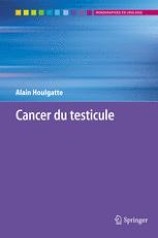
Cancer du testicule = Testicular cancer
Testicular cancer has benefited from important therapeutic advances radically transforming its prognosis. Recent protocols have led to the development of treatments that maintain therapeutic efficacy while favoring quality of life and minimizing the sequelae (such as fertility disorders) in these often young men. This book discusses the various technical advances both in the field of diagnosis - with the contribution of modern imaging and anatomopathology - and therapy. The place of chemotherapy as well as that of surgery are largely detailed, thus placing the urologist at the heart of the multidisciplinary team taking care of these patients. Quality of life is also discussed by taking into account the impact of the treatment of these tumors on the fertility of these young patients.
