


تحسين النتائح
ترتيب حسب
من
الى

The imaging of stroke has undergone significant changes owing to the rapid progress in imaging technology. This volume, comprising three parts, is designed to provide a comprehensive summary of the current role of MR imaging in patients with ischemic stroke. The first part outlines the clinical presentations of stroke and discusses the diagnostic efficacy and therapeutic impact of MR imaging. The second and third parts form the core of the volume, and are based on a novel approach in that the topic is presented from two very different viewpoints. Part 2 provides a detailed presentation of the distinguishing features of stroke from the radiologist's perspective. By contrast, part 3 addresses the needs of the clinician, documenting specific stroke syndromes and their correlates on MR imaging. The overall aim has been to create a well-illustrated volume with broad appeal that links pathology, radiology and stroke medicine in an informative manner.

Examines the concepts of lifestyle medicine and nursing practice, it is specifically designed to help nurses introduce the concepts of lifestyle medicine to readers while also encouraging them to focus on their own wellness. This book features nutritional guidelines and supplemental materials operationalizing this basic nutrition knowledge into personal and patient wellness. It addresses evidence-based findings of chronic diseases including heart diseases and stroke, type 2 diabetes, and cancers, which can often be prevented by lifestyle interventions.
Contains extensive sections on the treatment and prevention of coronary heart disease,stroke, cancer, diabetes, obesity, substance abuse, dementia, and many other clinical conditions. Key lifestyle modalities such as physical activity, nutrition, weight management, sleep, stress reduction, and positive connections with other humans are supported by detailed discussion and state-of-the-art evidence. The expanded section on behavioral medicine provides an important framework for these discussions. Every chapter has been completely revised and many new topics added, such as lifestyle medicine for nursing, psychiatry, and preventive neurology.
Provides a ready reference to those in third and fourth year residencies. Essential algorithms and case presentations meet with clerkship learning objectives as outlined by the Association of Surgical Education in their ASE Manual. Two sections include Introduction to Clinical Surgery in the Surgical Clerkship Setting and Management of Surgical Diseases During the Clerkship. Chapters include: Stroke, Hypertension, Abdominal Masses, Head Injuries, and Burns. Written by leading clinicians and educators, both surgery residents and medical students will find LEARNING SURGERY indispensible in their rotations and clerkships. Surgeons who train residents will also find the text a valuable ajunct to their teaching.
Community-acquired pneumonia (CAP) is a disease associated with high morbidity and mortality, with at least one third of cases requiring hospitalization, exceeding the numbers admitted for myocardial infarction and stroke. Despite a broad armamentarium of antimicrobials available, it remains an important cause of death in industrialized countries. CAP is caused by a variety of pathogens with their order of importance dependent on the location and population studied. Despite the importance of CAP, reliable data and a recommended evidence-based therapy are lacking, and basic research must be improved. The goal of this volume is to present state-of-the-art knowledge on epidemiology, clinical presentation, immunology, pathology, and diagnosis including the identification of "new pathogens". Therapeutic approaches, antibiotics resistance, disease management and vaccination strategies are also covered. The volume is of interest to researchers and clinicians in virology, epidemiology and biomedicine.
What is arterial dissection? What is Moyamoya angiopathy? What is the state of art of AVM treatment? Readers will find answers to these questions in this book. But they will also be informed about the state of the art treatment in the daily stroke therapy.
Cerebral hemorrhage is a common and often fatal subtype of stroke. while in the past it has received relatively little attention compared to ischemic stroke, there have been major advances in our understanding of this devastating form of stroke. The papers by world experts cover the field from molecular biology to clinical trials.
As our world continues to evolve, the field of regenerative medicine f- lows suit. Although many modern day therapies focus on synthetic and na- ral medicinal treatments for brain repair, many of these treatments and prescriptions lack adequate results or only have the ability to slow the p- gression of neurological disease or injury. Cell therapy, however, remains the most compelling treatment for neurodegenerative diseases, disorders, and injuries, including Parkinson’s disease, Huntington’s disease, traumatic brain injury, and stroke, which is expanded upon in more detail in Chapter 1 by Snyder and colleagues. Cell therapy is also unique in that it is the only therapeutic strategy that strives to replace lost, damaged, or dysfunctional cells with healthy ones.
The XIII International Symposium on Brain Edema intracerebral hemorrhage. This volume includes papers pre- day satellite conference on the subject. Brain vestigation focusing primarily on the secondary events edema, in many respects, is a marker of underlying which develop after the hemorrhage. pathological processes which include tissue injury There was considerable enthusiasm to continue the from many diseases.
Despite the increasing awareness that neural mechanisms are the primary cause of cardiac disease and its progression, therapy continues to focus on end-organ protection and does not approach the neural core of the problem. Growing public health problems such as heart failure are still treated with autonomic drugs that are 30-40 years old and simply act on cardiac receptors. However, it has now been shown that the progression of ischemic heart disease to heart failure is mainly due to abnormal central responses to incipient cardiac disease, with neural activation the primary cause rather than the consequence of cardiac remodeling.
This volume of Advances and Technical Standards in Neurosurgery covers some important new developments in functional neurosurgery and endovascular therapy. In the Technical Standards section a variety of topics are considered, including optic pathway gliomas, pineal lesions, cavernous sinus meningiomas, and the eternal problem of minor and repetitive head injury. Endovascular treatment of a variety of lesions is now common practice, and the state of the art in endovascular treatment for acute ischemic stroke is reviewed. An appraisal of the evidence on whether there is a place for microsurgical vascular decompression for essential hypertension raises interesting questions.
Acute Ischemic Stroke: Imaging and Intervention is a comprehensive presentation of the state-of-the-art in the diagnosis and treatment of acute ischemic stroke. This book offers a practical review of recent advances in stroke neuroimaging, and the latest therapeutic options for this disease.
The field of healthcare is constantly evolving and advancing with new technologies and innovations. Among these, assistive technologies, robotics, and automated machines are rapidly gaining ground as powerful tools to improve the quality of care and enhance patient outcomes. From wearable devices that monitor vital signs to surgical robots that assist in complex procedures, these technologies have the potential to revolutionize the way we deliver healthcare. The development and the integration of assistive technologies, care robots, and automated machines are strategic both as single components, when paired together, and when interconnected in the health domain.This reprint explores the latest developments in assistive technologies, robotics, and automated machines in the health domain, providing a comprehensive overview of their applications and potential impact. The reprint is for the benefit of healthcare professionals, researchers, engineers, and students interested in these rapidly evolving fields.
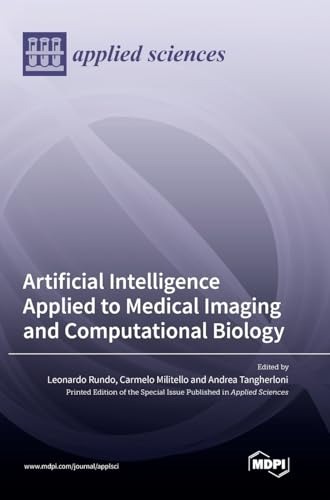
Medical imaging and computational biology continuously pose new fundamental medical and biological questions that often give rise to novel challenges in Artificial Intelligence. These research fields present an increasing need for the application of cutting-edge computational approaches that generally involve machine learning or computational intelligence techniques, which can effectively perform bioimage and biosignal processing in different clinical areas.
Regardless of etiology, such as accident, tumor, stroke or assault, acquired brain injury presents numerous challenges for survivors, caregivers and treating professionals. Interdisciplinary and integrated evaluations, treatment, and management can mean the difference between successful recovery and unfortunate outcomes. The first book to present a comprehensive team approach to rehabilitation of ABI survivors, Acquired Brain Injury gives medical and clinical specialists a deeper understanding of not only each others' roles, but also their complementary functions.

سوريا - اتستراد درعا - غباغب
+963-15 2050 - 15 860 380 /1/2/3 - 11 662 3900