



الصفحة 1
الصفحة 1

Injecting Salmonella Bacteria in to the Tumor Cures Cancer
The human body is inhabited by millions of tiny living organisms like good bacteria. We acquire these bacteria during birth and the first years of life, and they live with us throughout our lives. The human microbiomes are involved in healthy growth, in protecting the body from invaders, in helping digestion, and in regulating moods, but sometimes these bacteria can also be harmful. We need to take good care of our health to avoid the development of some diseases, like salmonella for example. Salmonella infections in humans can range from self-limiting gastroenteritis typically associated with non-typhoidal Salmonella (NTS) to typhoidal fever, which can be life-threatening. Salmonellosis causes considerable morbidity and mortality in both humans and animals, and has a significant socioeconomic impact worldwide.

Foodborne Parasites
Microbiologists are being challenged as foodborne outbreaks are increasingly being observed worldwide. Most of these outbreaks are associated with viral and bacterial pathogens such as Campylobacter, Salmonella, and lately Escherichia coli O157:H7.Foodborne Parasites examines the two major parasite groups that are transmitted via water or foods: the protozoa, which are single celled organisms, and the helminths. The helminths are classified in three sub groups: cestodes (tapeworms), nematodes (round worms), and trematodes (flukes). To better understand their significance, each chapter covers the biology, mechanisms of pathogenesis, epidemiology, treatment, and inactivation of these parasites.

Foodborne Microbial Pathogens : Mechanisms and Pathogenesis
The author presents up-to-date information on molecular and cellular mechanism of several major foodborne microbial pathogens, including select agents for bioterrorism, virulence genes and their regulation in the host or the food environment, pathogenicity testing models, clinical symptoms, and prevention and control strategies. In order to understand the disease process, one must have certain understanding about the role of the immune system. Thus this book also covers the host parasite interaction to a level where the readers will have a better appreciation for the disease mechanism.

Effect of Clove essential oil and Rosemary aqueous extract for future promising triple acting gel
In this study, antimicrobial properties of rosemary essential oil (Rosmarinus officinalis-REO), rosemary aqueous extract, clove essential oil (Syzygium aromaticum-CEO) and their mixtures (REO/CEO) at 10% and 20% concentration for each one have been evaluated. The agar well diffusion method has been used for screening the antimicrobial activity against Staphylococcus aureus, Staphylococcus albus, Streptococcus, Enterococcus Salmonella, Escherichia coli, Acinetobacter, Pseudomonas aeruginosa, Candida albicans In Staph. Aureus, Salmonella, E.coli, Acinetobacter and p.aeruginosa...
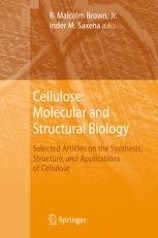
Cellulose : Molecular and Structural Biology : Selected Articles on the Synthesis, Structure, and Applications of Cellulose
Cellulose: Molecular and Structural Biology is an up-to-date treatise on the most advanced and provocative research into the biosynthesis, structure, and applications of nature’s most abundant macromolecule and renewable resource, cellulose.Molecular, biochemical, and evolutionary aspects of cellulose biosynthesis are reviewed in a variety of living organisms, including cyanobacteria, eubacteria, (Acetobacter, Salmonella, and E. coli), vascular plants (including Arabidopsis, forest trees, and maize), and tunicates.
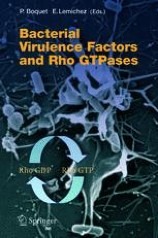
Bacterial virulence factors and Rho GTPases
The authors of this volume present the synthesis on how the various host cellular Rho GTPases activities are manipulated by bacteria to fulfill their virulence.
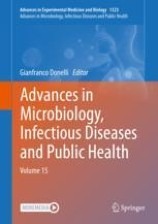
Advances in Microbiology, Infectious Diseases and Public Health ; Vol.15
Focuses on current progress in the broad field of medical microbiology, and covers both basic and applied topics related to the study of microbes, their interactions with human and animals, and emerging issues relevant for public health. Original research and review articles present and discuss multidisciplinary findings and developments on various aspects of microbiology, infectious diseases, and their diagnosis, treatment and prevention.
