


تحسين النتائح
ترتيب حسب
من
الى

Explains how artificial intelligence is applied to medicine, illustrating not only its enormous potential but also ancillary issues and the limits and risks inherent in its use on a large scale. The book focuses on the intersection between medicine and AI and its implications on the impact of human health care delivery. Topics discussed include wearable devices, health data, Internet of Things, virtual reality, robotic assistance system, and digital intelligence in the health sector. Additionally, sections discuss diagnostics and decision-making systems and machine/deep learning in clinical setting.
Endourology Step by Step. This manual is intended to help residents in urology learn the basic techniques of endourology. All authors are experts in this field and experienced teachers. Each chapter includes: indications, limits, risks and contraindications, a step-by-step procedure. The book is completed by extensive illustrations. Learning the basics of this fascinating technique was never so easy!
Frequent headaches seriously affect the lives of millions of sufferers. The result can be lost productivity and income, restrict activity, lower self-esteem, and even social isolation. For many, it takes years to find the appropriate medication to manage your headaches effectively. In Managing Your Headaches, Mark and Leah Green and John Rothrock explain what information you should record for your physician, what a physician is looking for in a neurological examination, and what you should (and should not) do to reduce the frequency and severity of your headaches. They discuss the effects of stress, psychological factors, possible food triggers, and environmental risk factors. The authors explain the symptoms of migraine, cluster, and tension-type headaches as well as less common types. They address common concerns and misconceptions and explain current knowledge about headache causes in understandable terms. The newest, most effective medications and their possible side effects are evaluated. The authors also explain how to prevent rebound headaches from over-medications and how non-medical treatments can be of value. Managing Your Headaches will tell you what you need to know to better control your headaches. Armed with the information in this book, you can be aware of the latest treatment options and can have more productive, informed discussions with your physician.
This unique and engaging open access title provides a compelling and ground-breaking account of the patient safety movement in the United States, told from the perspective of one of its most prominent leaders, and arguably the movement’s founder, Lucian L. Leape, MD. Covering the growth of the field from the late 1980s to 2015, Dr. Leape details the developments, actors, organizations, research, and policy-making activities that marked the evolution and major advances of patient safety in this time span. In addition, and perhaps most importantly, this book not only comprehensively details how and why human and systems errors too often occur in the process of providing health care, it also promotes an in-depth understanding of the principles and practices of patient safety, including how they were influenced by today’s modern safety sciences and systems theory and design. Indeed, the book emphasizes how the growing awareness of systems-design thinking and the self-education and commitment to improving patient safety, by not only Dr. Leape but a wide range of other clinicians and health executives from both the private and public sectors, all converged to drive forward the patient safety movement in the US.
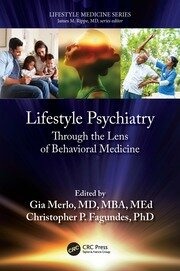
Lifestyle medicine is a practice which adopts evidence-based lifestyle interventions as a primary modality to prevent, treat, and reverse chronic diseases. The six main pillars of this specialty include physical activity, nutrition, stress resilience, cessation or risk reduction of substance use, quality sleep, and connectivity. Lifestyle psychiatry is a rapidly emerging area within healthcare informed by rigorous research within the social and biological sciences, public health, and medicine. A volume in the Lifestyle Medicine series, this book uses a comprehensive biopsychosocial approach to prevent and treat psychiatric disorders and promote mental and physical well-being through evidence-based lifestyle interventions.
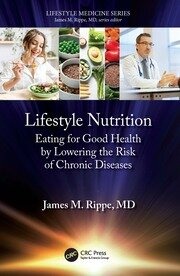
Provides physicians with an evidence-based introduction to nutrition science with a practical emphasis on how to apply this information to improve the health of their patients and enhance their own lives. From nutrition and atherosclerosis to erectile dysfunction and chronic kidney disease to osteoporosis, this comprehensive guide covers a wide range of conditions influenced by diet. It delves into specialized areas, such as nutrition for physically active people to the elderly, ensuring relevance for diverse patient populations. The reader will find detailed analysis of the Dietary Guidelines for Americans 2020–2025 and their applications and strategies for adopting healthy plant-based diets, such as Mediterranean, DASH, and vegan.
The only book devoted exclusively to this specialty, Lessons Learned details the risk management issues involved in genetic counseling practice, and offers solid strategies for minimizing the risk of costly, career-damaging malpractice suits. Schmerler clearly identifies areas of practitioner liability and demonstrates how they may be averted, so counselors can better manage their practice while lowering the risk of legal action. Examples drawn from relevant court cases illustrate typical issues in malpractice, negligence, and breach of contract suits. With this in-depth knowledge, readers can refine their goals toward increased self-protection as well as client care.

Les Infections urinaires provides an update on knowledge concerning the epidemiology of community-based infection, on the mechanisms of bacterial resistance and on certain aspects of the disease useful to urologists as well as infectious diseases, gynecologists, emergency physicians and attending physicians. . Nosocomial urinary tract infection is approached from the perspective of risk factors. Acute and chronic prostatitis was the subject of a consensus conference supported by the World Health Organization within the framework of the International Consensus Conferences in Urology in Paris. The full text and the recommendations are reported with the consent of their authors. This book is an author's book and not an author's book because urinary tract infection is multiple, complex and justifies a multidisciplinary approach.
The various consequences on the anatomy and physiology of the female genitalia, as well as male, of children exposed in utero are reviewed. The impact on girls is greater than on boys: modification of the uterine cervix, reduction in the volume of the uterus with its consequences on fertility and the progress of pregnancies, risk of cancer of the vagina and the cervix. . The potential repercussions on the third generation are analyzed from experimental studies. Finally, the medico-legal implication is studied from the various trials that took place in the United States and from the first French trial that took place in Nanterre in November 2003. This work is the result of the collaboration of several experts recognized for their competence in this field. It will be of interest to all obstetrician gynecologists, urologists, but also public health physicians and midwives.

The reader will find there both a synthetic summary of the current state of knowledge of epidemiology, risk factors and pathological aspects as well as a presentation of the surgical aspects, in particular, of the new approach that constitutes the sentinel node procedure. Radiotherapy, in a practical view, is divided into essential clinical questions. The medical treatment is then discussed according to the different situations encountered on a daily basis. Particular attention is of course paid to recent data both with the contribution of hormone therapy and targeted therapies. Finally, the symptomatic treatments and especially the psychological care of these patients are not forgotten.

Focusing on a range of gynecological issues, including urinary tract injury, sterilization and assisted pregnancy, as well as the application of cutting-edge laparoscopy, this book will be of great interest and use to the practicing gynecologist or urologist.

Is a brief, clear, thorough, and updated approach to clinical microbiology, brimming with mnemonics, humor, summary charts, and illustrations. Topics include Ebola, AIDS, flesh-eating bacteria, mad cow disease, hantavirus, anthrax, smallpox, and tuberculosis; the latest antibiotics; pandemic flu, including H7N9; SARS-like coronavirus; hepatitis C treatment options; HIV diagnostics and approved HIV meds; Zika virus; measles; and a new chapter on the latest emerging infectious diseases and drug-resistant bacteria. The major update to this book is the addition of a new chapter on the SARS-COV-2 virus and COVID-19 disease, which delves into the nature of the virus such as infectivity within the body, transmission between individuals, timeline of infectivity, symptoms, risk factors, therapeutics, and vaccines approved for use.

Timely coverage of cleaning validation for the pharmaceutical industry, a dynamic area in terms of health-based limits. Encourages pharmaceutical manufacturers, and particularly upper management, to meet the challenges of the science-based and riskbased approaches to cleaning validation. Draws on the author’s vast experience in the field of cleaning validation and hazardous materials. Discusses EMA vs. ISPE on Cleaning Limits and revised Risk-MaPP for highly hazardous products in shared facilities. A diverse list of topics from protocol limits for yeasts and molds to cleaning validation for homeopathic drug products.

CHRONIC DISEASES AND HEALTH CARE: New Patterns of Diabetes, Arthritis, Osteoporosis, Fibromyalgia, Low Back Pain, Cardiovascular Disease, and Cancer. This book evaluates new trends in epidemiology, health care costs, risk factors, treatment and rehabilitation outcomes, stress and coping strategies, social support, disability, patient education, and self-management for seven prevalent chronic diseases.
In this new edition of Cardiovascular Disease in AIDS new insights coming from basic and clinical research in the field of HIV-associated cardiovascular disease and antiretroviral therapy are reported, along with the clinical guidelines for a careful stratification of the cardiovascular risk and cardiovascular monitoring of HIV-infected patients receiving HAART. The authors offer a wide overview of the topic for specialists in cardiology and infectious diseases involved in the clinical management of HIV-infected patients.
This volume contains the main proceedings of the fourth international conference on "Cancer Prevention 2006," which was held during February 16–18, 2006, in St. Gallen, Switzerland. Written by international experts in the field, the book comprises a comprehensive update on the most recent developments in the upsurging fields of molecular biology and cancer genetics and their interactions with clinical epidemiology and cancer prevention at various levels: genetic/biologic predisposition and definition of high-risk groups; preclinical models and tumor prevention; prospects of surrogate endpoints and biomarkers; progress in imaging and detection of neoplastic precursor lesions.
Over the past few decades, the Arab world has witnessed a swift evolution in healthcare provision. Nonetheless, Arab countries have considerable variability in economic capabilities, resource allocation, and intellectual talent that inevitably reflect on access to modern cancer care and prevention. This book is authored by experts from the Arab world who provide vital information on cancer statistics and risk factors, available clinical care pathways and infrastructure, and prevention programs in their individual countries. The chapters also address specific challenges in each country and insights into future directions to achieve optimal care with conventional and novel diagnostics and therapies to keep up with the era of precision medicine.
Offers a comprehensive collection of review and case chapters that cover cadmium toxicity and remediation. It covers sources of cadmium contamination, its impact on human health, and prospective remediation strategies, taking a multi-disciplinary approach a focus on application of recent advanced biological technology. The chapters here bring together a diverse group of environmental science, sustainability and health researchers to address the challenges caused by cadmium contamination, explaining the routes of exposure to environmental cadmium, how cadmium is transported in ecosystems, and the health risks linked to cadmium exposure in food and the environment.

Despite the increasing awareness that neural mechanisms are the primary cause of cardiac disease and its progression, therapy continues to focus on end-organ protection and does not approach the neural core of the problem. Growing public health problems such as heart failure are still treated with autonomic drugs that are 30-40 years old and simply act on cardiac receptors. However, it has now been shown that the progression of ischemic heart disease to heart failure is mainly due to abnormal central responses to incipient cardiac disease, with neural activation the primary cause rather than the consequence of cardiac remodeling.
Radiologic technologists, nurse practitioners, physician assistants, and dedicated densitometry technologists can find new guidelines for bone density testing, new therapies for osteoporosis, and new treatment guidelines for osteoporosis, as well as new chapters on pediatric densitometry body composition assessments, and the use of skeletal morphometry in diagnosis and fracture risk prediction. The twelve appendices have also been updated to reflect the most current information available, including contacts for densitometry equipment manufacturers and organizations, guidelines for bone density testing and CPT codes, definitions of terms, and new conversion equations.

سوريا - اتستراد درعا - غباغب
+963-15 2050 - 15 860 380 /1/2/3 - 11 662 3900