


تحسين النتائح
ترتيب حسب
من
الى

Acute heart failure is one of the oldest described medical conditions. However, although its clinical symptomatology is fairly obvious and known to everyone: dyspnea, liver pain, crackles on auscultation, the epidemiology has only been explored for very recent years. In all of the cardiology and resuscitation books of the past 40 years, acute heart failure has been considered a catch-all ranging from acute simple lung edema in hypertensive crisis to cardiogenic shock following heart attack. myocardium. It was all called "acute heart failure." This book is based on the recent Recommendations of the European Society of Cardiology and the European Society of Intensive Care Medicine which advocate the designation "Acute heart failure syndrome" in which the decompensation of heart failure chronic, hypertensive surge, cardiogenic shock, right heart failure, and high output heart failure are separate entities.
The hemodynamic monitoring of intensive care patients is undergoing major changes. Technological advances such as computerization and miniaturization have made it possible to considerably expand the range of assessment tools available at the bedside. Thus, the approach to cardiovascular monitoring - which was once readily "invasive" and global - is gradually becoming non-invasive and locoregional or even tissue. At the same time, the combined evolution of technology and physiological and pathophysiological concepts now provides the clinician with access to a variety of "functional hemodynamic monitoring". The aim of this book is to provide a better understanding of the interest and the limits of the hemodynamic parameters accessible by current hemodynamic monitoring techniques. It thus aims to ensure that the use of these techniques is perfectly mastered by resuscitators and anesthetists-resuscitators so that patient care is ultimately optimal.
Paradoxically, serious intra-abdominal infections are the forgotten ones in the world of infectious diseases. Paradoxical, because they are very common pathologies, affecting all age groups of the population and often life-threatening; paradoxical, because they concern many medical specialties through intensive care, gastroenterology, hepatology, imaging, infectious diseases, emergencies and surgery. Hence the need, thanks to an interdisciplinary collaboration, to publish a book in French bringing together all infectious abdominal pathologies, thus offering a synthesis of recent data from the literature in this field. This document should allow the various specialties concerned to find updates integrating the latest clinical, diagnostic and therapeutic data. Specialty interns and practitioners in the field will find something to establish an effective and up-to-date strategy for the management of patients with these pathologies, the high incidence of which and the severity of which is too often overlooked, it is important to remember.
Gives a large place to mechanical ventilation, in particular to its optimization and the interest of its various forms, such as non-invasive ventilation or high frequency oscillation. It also discusses, in a practical way, what imaging and the study of respiratory mechanics can bring to the practitioner in the field or to the intensive care unit.
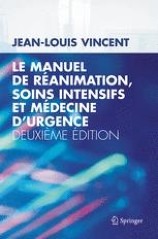
Offers an update of this book in a field that remains fascinating yet constantly evolving. Each chapter has been completely revised, expanded, and updated by the author. The didactic and practical approach has been maintained to ensure easy access for young doctors working in intensive care units, emergency physicians, and doctors on call in hospitals. These practitioners will find it helpful in understanding pathologies and implementing the most appropriate treatment.
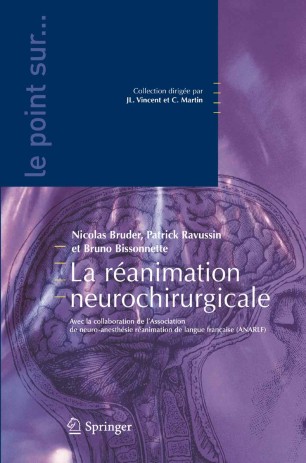
«decade of the brain », s’est ajouté en clinique humaine le développement des nouvelles techniques d’imagerie. Ceci a permis d'enterrer enfin certaines idées anciennes et de développer de nouvelles stratégies thérapeutiques fondées sur une meilleure compréhension des mécanismes physiopathologiques de l’agression cérébrale en transposant les résultats de la recherche fondamentale dans la pratique de tous les jours. Il ne fait aucun doute que le médecin, qu'il soit anesthésiste, réanimateur, urgentiste, qui serait passé « à côté » de cette période concernant la prise en charge globale du cerveau agressé se retrouverait distancé face à la prise en charge actuelle et n’aurait pas en main les moyens d’en comprendre sa justification. L’association de neuro-anesthésie réanimation de langue Française

سوريا - اتستراد درعا - غباغب
+963-15 2050 - 15 860 380 /1/2/3 - 11 662 3900