


تحسين النتائح
ترتيب حسب
من
الى

Records 5 species of resin, 74 species of animals, 41 species of minerals and fossils. There are resins such as Liquidambar orientalis, Commiphore myrrha, Boswellia carterii, Garcinia hanburyi; animals such as Solenognathus hardwickii, , Cervus nippon, Scolopendra subspinipes, Cryptotympana pustulata, Agkistrodon acutus, Bombyx mori, Collocalia esculenta, Moschus moschiferus, Hippocampus kelloggi, Gekko gekko; minerals and fossils such as mercury, gypsum, alum, mirabilite, cinnabar, actinolite, calomel, keel, dens draconis, lithodes, fossilia spiriferis.
A standard resource for undergraduate and postgraduate courses in dentistry. It provides fundamental coverage of the materials on which dentistry depends, covering the structure and chemistry that govern the behavior and performance of materials. Particular classes of materials include gypsum, polymers, acrylic, cements, waxes, ceramics and metals. Other chapters review surfaces, corrosion, mixing, casting, cutting and bonding, and mechanical testing. This updated edition, which includes substantial chapters on chemistry, has been extensively revised with new material on temporary restoration resins, hydraulic silicate cements and the practical aspects of wetting surfaces. Mindfully written to provide explanations for behavior, formulation, clinical and laboratory instructions and procedures, there is no comparable resource for researchers, students, teachers and practitioners in the field of dentistry.
Describes the challenges that deep carious lesions pose for dental practitioners, including the risk of endodontic complications and the difficulty of restorative treatment, and identifies options for overcoming these challenges on the basis of the best available evidence. The opening chapter sets the scene by discussing pathophysiology, histopathology, clinical symptomatology, and treatment thresholds. The various treatment options are then systematically presented and reviewed, covering non-selective, stepwise, and selective carious tissue removal and restoration, sealing of lesions using resin sealants or crowns, and non-restorative management approaches. In each case the current evidence with respect to the treatment is carefully evaluated. Advantages and disadvantages are explained and recommendations made on when to use the treatment in question. Illustrative clinical cases and treatment pathways for clinicians are included. This book will be of value for all practitioners who treat dental caries and carious lesions, whether in the permanent or the primary dentition. It will also be of interest to under- and postgraduate students in cariology and restorative, operative, preventive, and pediatric dentistry.
Focuses on enhancing antimicrobial and mechanical properties of polymeric materials and composites for dentistry. In recent years, special attention has been focused on the possibility of giving materials new or improved properties by the introduction of nano or submicron size additives, fibers or whiskers. Another area of research is the application of antibacterial monomers, which can be copolymerized in resins to kill oral pathogenic microflora. In addition, we are currently looking for new data regarding colonization of dental materials by pathogenic microbes and their influence on the other properties. Further, there are many new commercially available materials which should be investigated to verify their properties, which is important from the point of view of clinical practice. Original new research and reviews related to any of the topics mentioned above indicate the current directions of development of dental materials.
Dedicated to all relevant aspects of bulk fill materials and their uses in clinical practice. Today, we count over 30 different bulk fill materials, which can be used in the dental clinic. The composition of bulk fill materials and their different modes of application for moderate to large direct resin restorations placement are explained in this book. It is written by a group of international specialists and allows the reader to evaluate available materials, learn predictable techniques and evaluate long term survival as well as future developments. The book covers all fields related to the history of bulk fill composites, their composition and physical properties, and a step by step guide to their successful clinical applications.
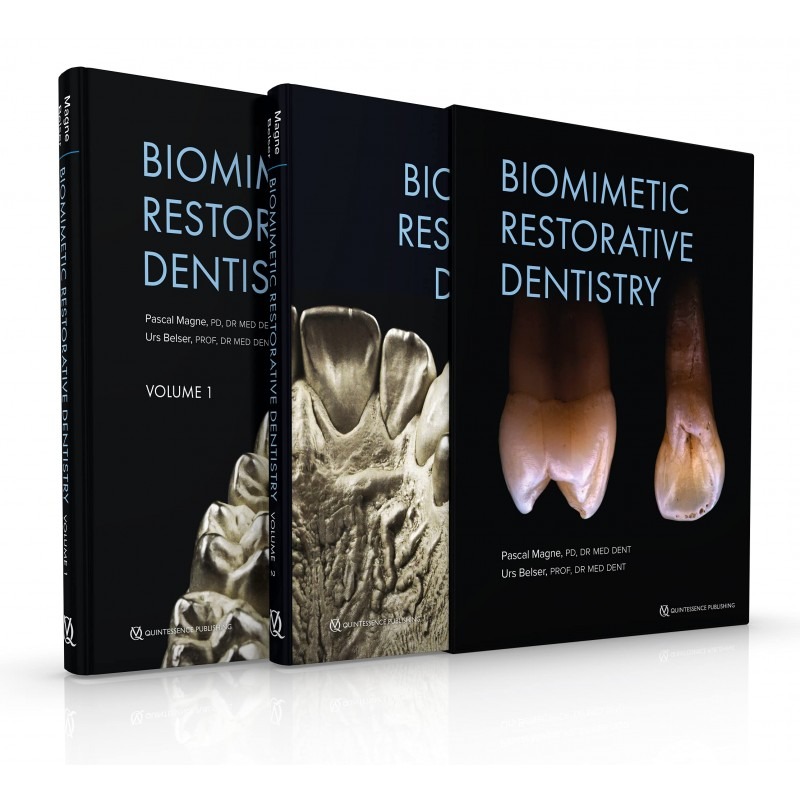
Takes the science of esthetic dental reconstruction to a new level both clinically and academically, and it offers all that a clinician could wish for in terms of indications and the classic clinical steps for tooth preparation, laboratory and CAD/CAM procedures, adhesive luting procedures, and maintenance. But above all, what makes this book so unique is the biomimetic principle—as such, restoring or mimicking the biomechanical, structural, and esthetic integrity of teeth is paramount. The core of this book centers on the application of the biomimetic principle in the form of bonded restorations using composite resins and ceramics, covering indications, treatment planning, diagnosis, tooth preparation and impression, laboratory and CAD/CAM procedures, final delivery, follow-up, maintenance, and repair. Written by a true master and artist, this book will undoubtedly inspire excellence in anyone who picks it up.
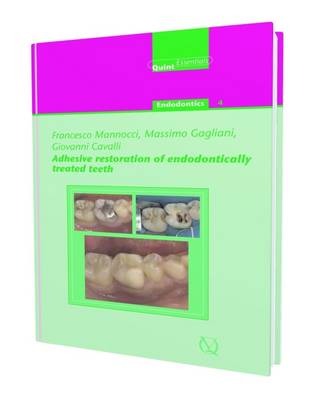
Dentine bonding systems, composite resins and fibre posts have widely replaced cast posts and amalgam as core materials; all-ceramic and composite crowns have also replaced metal ceramic crowns in many aesthetic cases. The aim of this book is to provide the general practitioner with some principles and techniques for the adhesive restoration of root filled teeth.

سوريا - اتستراد درعا - غباغب
+963-15 2050 - 15 860 380 /1/2/3 - 11 662 3900