


تحسين النتائح
ترتيب حسب
من
الى


Since the discovery of chemokines and of chemokine receptors it has become evident that expression of chemokines at the site of inflammation may regulate the composition of cellular infiltrate, thereby directing the type of immune response. Recently, the molecular characterization of inherited disorders of immune system, (e.g., Wiskott-Aldrich syndrome, WHIM syndrome, leukocyte adhesion deficiency), which are characterized by cytoskeleton/adhesion defects or by altered response of chemokine receptors has contributed to clarifying the key players of immune response in normal physiology and in disease. This book, which deals with the description of the role of chemokines in immune response and underlines potential targets of therapeutical intervention, offers a series of contributions of the most challenging aspects of lymphocyte migration in homeostasis and in disease.
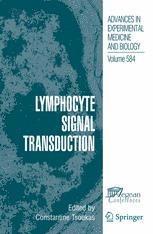
Signal transduction through leukocyte receptors involves a variety of signaling molecules including kinases, phosphatases, adaptor proteins, small GTPases GTP exchange factors, membrane phospholipids as well as others. These signal transducers, regulated by inter- and intra-molecular interactions, as well as by various post-translational modifications, lead to the activation of transcription factors that mediate cellular differentiation and growth, effector cell functions, and apoptotic cell death. Several investigators from various parts of the world convened at the 3rd Lymphocyte Signal Transduction Workshop in Crete, Greece from May 27 to June 1, 2005 to discuss their most recent findings in leukocyte signaling. This volume represents a collection of topics discussed during the conference.
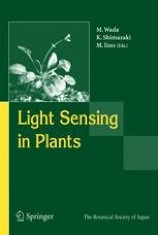
Presents overviews of and the latest findings in many of the interconnected aspects of plant photomorphogenesis, including photoreceptors (phytochromes, cryptochromes, and phototropins), signal transduction, photoperiodism, and circadian rhythms, in 42 chapters. Also included, is a prologue by Prof. Masaki Furuya that gives an overview of the historical background.

The discovery of leptin little more than a decade ago, as a hormone produced in white adipose tissue with an important role in satiety and energy expenditure, was a seminal event in our understanding of adiposity. This initial advance in the new endocrinology of obesity was soon followed by the realization that leptin was not only produced in adipose tissue, but in many different tissues of the body, and that receptors were similarly distributed. Additionally, the early recognition of infertility that was associated with leptin deficiency prompted research that identified roles for the polypeptide in virtually every area of reproductive biology.

Since the identificationof two sequences fromKSHV,wehave learnedmuch about this pathogen as reflected in this book. As it turned out, KSHV itself encodes for a number of cytokines, and induces cellular cytokine secretion, contributing to tumour growth. Moreover, KSHV vFLIP targets the IKKNFκB axis to encourage the inflammatory microenvironment observed by Gallo and his colleagues. KSHV continues to elucidate both mechanisms of viral oncogenesis, and cellular and immune pathways involved in non-viral driven neoplasia.
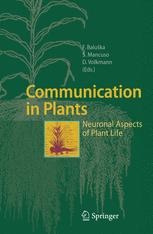
Plant neurobiology is a newly emerging field of plant sciences. It covers signalling and communication at all levels of biological organization – from molecules up to ecological communities. In this book, plants are presented as intelligent and social organisms with complex forms of communication and information processing. Authors from diverse backgrounds such as molecular and cellular biology, electrophysiology, as well as ecology treat the most important aspects of plant communication, including the plant immune system, abilities of plants to recognize self, signal transduction, receptors, plant neurotransmitters and plant neurophysiology. Further, plants are able to recognize the identity of herbivores and organize the defence responses accordingly. The similarities in animal and plant neuronal/immune systems are discussed too. All these hidden aspects of plant life and behaviour will stimulate further intense investigations in order to understand the communicative plants in their whole complexity.
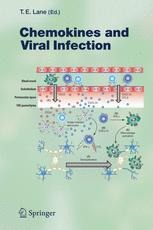
This edition of Current Topics in Microbiology and Immunology examines the role of chemokines and chemokine receptors in host defense and disease development following viral infection. Chemokines represent a family of over 40 small proteins that, for the most part, are secreted into the environment and function by binding to G protein-coupled receptors (GPCRs) that are expressed on numerous different cell types. When initially identified close to 30 years ago, these molecules were associated with various human inflammatory diseases and it was recognized that expression may be integral in leukocyte recruitment to inflamed tissue. There are now four sub-families of chemokines identified based on defined structural criteria relating to the positional location of conserved cysteine residues within the amino-terminus of the protein. Chemokines are now recognized as important in numerous biological processes ranging from maintaining the organizational integrity of secondary lymphoid tissue to participating in various aspects of both innate and adaptive immune responses following microbial infection. With this in mind, this book highlights the functional roles of chemokines and their receptors in participating in various aspects of the immune response against well-known viral pathogens.
The discovery of interleukin-8 close to 20 years ago initiated a new field of research touching on many aspects of immunology and inflammation. Interleukin-8 is just one member of a large class of structurally related chemoattractant proteins, known as chemokines. Chemokines are involved in the traffic control of leukocytes, which bear the corresponding chemokine receptors on their surfaces. Today, it is clear that chemokines affect all aspects of immunology and even many unrelated fields, such as tissue development and tumor cell metastasis. Their fundamental contributions to chronic inflammatory diseases make them a principal target for the development of novel, anti-inflammatory therapeutics.
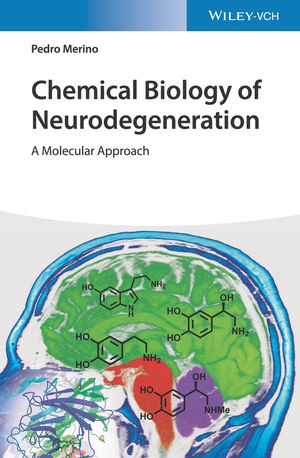
This book focuses on the main actors involved in neurodegenerative disorders at a molecular level, and places special emphasis on structural aspects and modes of action. Drawing on recent data on enzyme structure, mode of action, and inhibitor design, it describes?from a biochemical point of view?the six most important neurotransmitter systems and their constituent enzymes and receptors. Misfolding and aggregation of proteins within the brain is also covered.

Cell Surface Receptors: A Short Course on Theory and Methods, 3rd Edition, links theoretical insights into drug-receptor interactions described in mathematical models with the experimental strategies to characterize the biological receptor of interest.
Although inflammatory disease of the vascular bed of the lung is a major cause of morbidity and mortality in both adult and pediatric age groups, the importance of vascular biology to its understanding, and in developing novel therapeutics, has been overlooked. In Cell Signaling in Vascular Inflammation, leading basic and clinical researchers review the signal transduction mechanisms responsible for lung inflammation, including vascular hyperpermeability, white cell accumulation, and vascular remodeling. The authors cut across disciplines to bring together a broad-based presentation of inflammatory challenge, both in the initial phases of the inflammatory response, as well as in the more prolonged phase of genomic involvement.
In this volume, the expression of specific adhesion molecules within human cancer tissues are highlighted. The expression signatures from published DNA microarray and immunohistochemistry studies are detailed. The concept that the alteration of specific adhesion molecules influence the cancer migration ability and cancer damage responses is detailed in this volume; both features are essential for the survival of an invading tumor cell. Defining the minimal adhesion receptors preserved on cancer cells during tumor progression will define the metastatic adhesion signature. Understanding the metastatic adhesion signature will reveal vulnerabilities that could be exploited for the prevention and/or eradication of the invading cancer cell.
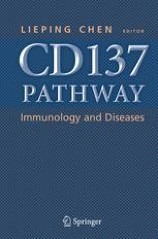
This comprehensive volume, written by experts in the field, covers nearly all aspects of ongoing research related to the CD137 pathway. Recent research has shown that the manipulation of CD137 pathway molecules is very promising in the treatment of cancer, viral infection, transplantation rejection and autoimmune diseases in experimental animal models. The volume includes research related to the identification and understanding of functional consequences of CD137 receptor and ligand molecules which represents a major effort in the field of immunology. CD137 Pathway: Immunology and Diseases is an ideal book for immunologists, microbiologists, cancer researchers, molecular biologists, biochemists, and pharmaceutical and biotechnology company scientists.

Offers a comprehensive overview on cannabinoids and their effects on sleep Provides novel research findings on the therapeutic potential of cannabinoids Discusses the effect of cannabinoids in several neurological disorders

The present book is an outstanding summary of many aspects of cannabinoid research. It represents a stepping-stone to many unsolved problems in biochemistry, pharmacology, physiology and the clinic. Perhaps it will help generate novel ideas, such as how to approach the scientific study of emotions.
Publishes comprehensive volumes on immune and genetic mechanisms of breast cancer diagnosis and prognosis. The role of molecular genetics, interleukins, chemokine receptor, and tumor-infiltrated lymphocytes-TILS in breast cancer are explained. Targeting myeloid determinants, SiRNA loaded in drug delivery nanosystems, nucleic acid and drug dual agent nanoplatforms, and oncolytic virotherapy are also discussed in the treatment of breast cancer, particularly in multidrug resistant and metastatic breast cancer.
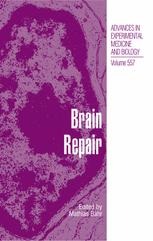
Brain Repair, addresses all relevant issues underlying the mechanisms of brain damage, brain plasticity and post-traumatic reorganisation after CNS lesions. This book is divided the three major sections that follow; cellular and molecular basis of brain repair, plasticity and reorganisation of neural networks, and experimental therapy strategies. Brain Repair is written by high profile, international experts who describe in detail the newest results from basic research and highlight new model systems, techniques and therapy approaches. Based on a careful analysis of the cellular and molecular reaction patterns of the CNS to lesions, the contributions cover possibilities for endogenous reorganisation and repair as well as exciting new therapies emerging from basic research, some of which have already been introduced into the clinics.

Despite the increasing awareness that neural mechanisms are the primary cause of cardiac disease and its progression, therapy continues to focus on end-organ protection and does not approach the neural core of the problem. Growing public health problems such as heart failure are still treated with autonomic drugs that are 30-40 years old and simply act on cardiac receptors. However, it has now been shown that the progression of ischemic heart disease to heart failure is mainly due to abnormal central responses to incipient cardiac disease, with neural activation the primary cause rather than the consequence of cardiac remodeling.

The molecular genetics of the cholinergic system including both muscarinic and nicotinic acetylcholine receptors, cholinesterases, acetylcholine synthesis and release have provided significant insights into potential targeting for pharmacological intervention. Cholinergic drugs are being used or evaluated for the treatment of diseases. Thus, this volume aims to broaden our understanding of the current state of cholinergic mechanisms to enable implementation of novel approaches for the development of more effective treatments.
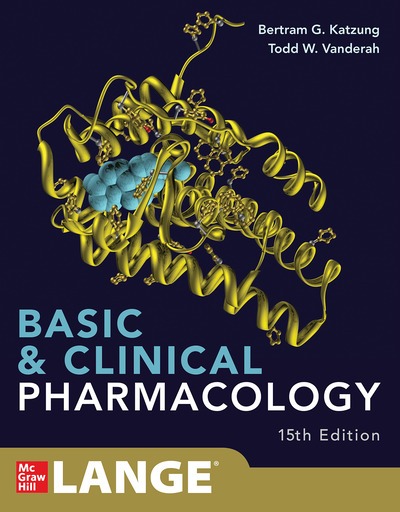
Covers the important concepts students need to know about the science of pharmacology and its application to clinical practice. This edition has been extensively updated to provide expanded coverage of transporters, pharmacogenomics, and new drugs Delivers the knowledge and insight needed to excel in every facet of pharmacology!. Encompasses all aspects of medical pharmacology, including botanicals and over-the-counter drugs Major revisions of the chapters on immunopharmacology, antiseizure, antipsychotic, antidepressant, antidiabetic, anti-inflammatory, and antiviral drugs, prostaglandins, and central nervous system neurotransmitters New chapter on the increasingly relevant topic of cannabis pharmacology Each chapter opens with a case study, covers drug groups and prototypes, and closes with summary tables and diagrams that encapsulate important information Revised full-color illustrations provide more information about drug mechanisms and effects and help clarify important concepts Trade Name/Generic Name tables are provided at end of each chapter for easy reference when writing a chart order or prescription Includes descriptions of important new drugs released through May 2019 New and updated coverage of general concepts relating to recently discovered receptors, receptor mechanisms, and drug transporters

سوريا - اتستراد درعا - غباغب
+963-15 2050 - 15 860 380 /1/2/3 - 11 662 3900