


تحسين النتائح
ترتيب حسب
من
الى

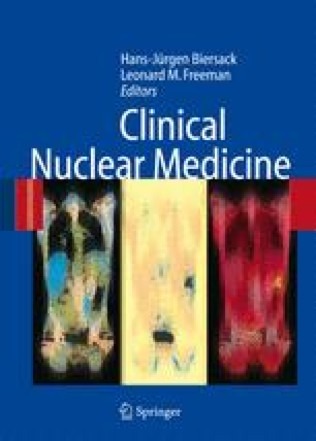
Clinical Nuclear Medicine … focuses on the universal state of the art in both diagnostic and therapeutic radionuclide methodology. … This book is easily readable, with presentation of essential points and plentiful references, and the quality of the figures and tables is excellent. … is a useful guide to students, technologists, and practitioners in nuclear medicine and radiology, as well as to general physicians who request nuclear diagnosis or treatment. … will be a welcome contribution to the bookshelf of nuclear medicine or radiology clinics.
The British Nuclear Medicine Society celebrates its 50th Anniversary with this booklet, which reflects the research of many of the pioneers in the use of radionuclides for the diagnosis and therapy of human disease. Since 1949 there have been remarkable advances in radionuclide techniques and imaging equipment: from the first devices “home-made” in the many physics departments throughout the UK, to the sophisticated multimodality imagers now in everyday use in Nuclear Medicine. The BNMS has been instrumental in promoting the use of radionuclide techniques in the investigation of pathology by supporting and providing education, research and guidelines on the optimum use of radiation to help patients.
The long-term effects of the Chernobyl incident on the environment are still becoming apparent, twenty years after the event. This book, written by two researchers with frontline experience in this field, provides a detailed review of these over a wide range of ecosystems. It also discusses the responses and countermeasures utilised to combat the effects of the accident, as well as considering the health, social, psychological and economic impacts on the human population. Chernobyl - Catastrophe and Consequences provides a comprehensive assessment of the Chernobyl accident and its long-term consequences draws on the most recent measurements of contamination in the terrestrial and aquatic food chains discusses the sociological consequences of such disasters in detail This book adds valuable weight to the debate about the environmental cost of nuclear power and the issue of nuclear safety.
Twenty million people have been exposed to Chernobyl radionuclides through the Dnieper River aquatic pathways. This book presents a 20-year historical overview and comprehensive study results of the aquatic environment affected by the 1986 Chernobyl nuclear accident. During this time, many water quality management practices and countermeasures were enacted. The book presents in-depth analyses of these water remediation actions, using current science and mathematical modeling, and discusses why some were successful, but many others failed. The chapter entitled Where Do We Go From Here? incorporates a comprehensive discussion of the planned New Safe Confinement (NSC) structure to cover the Chernobyl plant. The book closes with a summary and conclusions drawn from these analyses, making it a valuable reference tool for the future. This book will be of interest to engineers, scientists, decision-makers, and those involved in radiation protection and radioecology, environmental protection and risk assessment, water remediation and mitigation measures, and radioactive waste disposal. In addition, the detailed, almost day-to-day, emergency responses to the Chernobyl accident described in this book will also be useful to people developing emergency and long-term responses to accidental or intentional (by terrorists) releases of radionuclides, toxic chemicals and biological agents.

سوريا - اتستراد درعا - غباغب
+963-15 2050 - 15 860 380 /1/2/3 - 11 662 3900