


تحسين النتائح
ترتيب حسب
من
الى

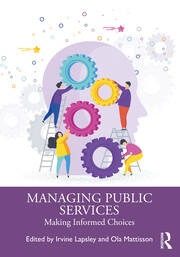
Chapters provide a valuable frame of reference for the 21st-century manager of public services by assessing the renewal of existing practices such as strategic costing, performance management, digitization and procurement and innovations in management practices, including branding, Lean Management, resilience and risk management. The book suggests that, as the management of public services is imbued with financial, social, economic and political uncertainties, management needs to be flexible and responsive to new ideas and practices to fulfil its purpose. This book ultimately supports the reflective manager, those who think about their job and are open to new ideas on how their job can be done better, by revisiting existing practices and examining innovations in public management.
Analyses two key aspects of network management in the public sector: leadership and performance. It investigates what integrative leadership is, and how it differentiates from leadership in single-agency structures. It also examines the performance of public interest networks by proposing an analytical framework that highlights which factors lead to high performance networks.
Offers critical insights into the thriving international field of community indicators, incorporating the experiences of government leaders, philanthropic professionals, community planners and a wide range of academic disciplines. It illuminates the important role of community indicators in diverse settings and the rationale for the development and implementation of these innovative projects. details many of the practical “how to” aspects of the field as well as lessons learned from implementing indicators in practice. The case studies included here also demonstrate how, using a variety of data applications, leaders of today are monitoring and measuring progress and communities are empowered to make sustainable improvements in their wellbeing.
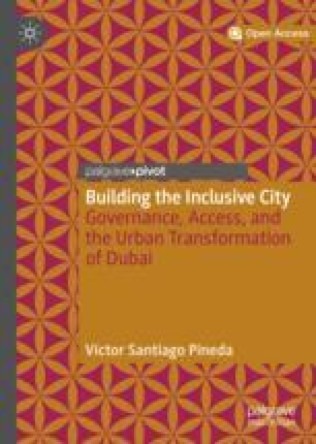
This book is an anthropological urban study of the Emirate of Dubai, its institutions, and their evolution. It provides a contemporary history of disability in city planning from a non-Western perspective and explores the cultural context for its positioning. Three insights inform the author’s approach. First, disability research, much like other urban or social issues, must be situated in a particular place

سوريا - اتستراد درعا - غباغب
+963-15 2050 - 15 860 380 /1/2/3 - 11 662 3900