تحسين النتائح
ترتيب حسب
من
الى



الكليات في الجامعة العربية الدولية
الخدمات الطلابية والأكاديمية


This book thus proposes, reconnecting with the most clinical and frankly psychodynamic vein, to bear witness to the encounter with the reality of cancerous disease and with all the imagination that it arouses. It is also a tribute to the sick - but just as much to their loved ones and their caregivers - who then engage in these territories of the crash, the unpredictable, where everything leads to think and do.
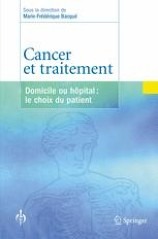
This book takes stock of the needs, expectations and challenges of caring for a cancer patient at home or in hospital. Indeed, if the number of cancer cases is increasing in Western countries, their management is evolving. The emphasis today is on a more humane announcement of the disease, less aggressive treatments and a better quality of life. Better informed patients often wish to be treated at home. As the survival time lengthens, hospital stays are reduced and chosen. Home care teams will soon be relying on the hospital more easily, thanks to specific communication methods and care networks. Here, all the stakeholders involved in the psycho-oncological approach to the patient discuss the choice of place and means of treatment for patients: from the general practitioner to the psychologist, from the oncologist to the mobile palliative care unit.

Les médecins et les équipes soignantes perçoivent comme une nouvelle pression la nécessité de transmettre le diagnostic de cancer et de discuter des options thérapeutiques avec un patient qui n’est pas toujours prêt à s y confronter. Bien que l’on puisse saluer le partage de l’information et encourager la transparence, le médecin prend le risque du blocage de dialogue, d’une indifférence, au pire d’un traumatisme. L’idée d’une diminution d’un certain pouvoir médical s’insinue dans le « dispositif » d’annonce qui renvoie la clinique à des apprentissages techniques. Au contraire, certains médecins cherchent à s’inscrire dans un mouvement plus démocratique. Ils constatent que pour le malade, savoir n’est pas choisir, et que dans les cas difficiles, ils restent encore décideurs. Cet ouvrage fait le point sur les changements obtenus par les lois et leurs conséquences sur les pratiques et incite à une réflexion philosophique sur la vérité et les vérités des interlocuteurs de la scène médicale.
