


تحسين النتائح
ترتيب حسب
من
الى

Provides you with an in-depth understanding of the pharmacologic principles needed for safe and effective dental treatment and oral health care. It discusses drug properties and mechanisms of action, dosages, intended effects, interactions, and adverse reactions - both for the medications a patient may already be taking and for the drugs prescribed by the dentist. This new edition has been updated throughout to give you a firm foundation in pharmacology in order to assess and educate patients so they can maintain optimal oral health!
The opening chapters of March's Advanced Organic Chemistry deal with the structure of organic compounds and discuss important organic chemistry bonds, fundamental principles of conformation, and stereochemistry of organic molecules, and reactive intermediates in organic chemistry. Further coverage concerns general principles of mechanism in organic chemistry, including acids and bases, photochemistry, sonochemistry and microwave irradiation. The relationship between structure and reactivity is also covered.
The work stems from the desire to provide the cardiologist or non-imaging physician with the basis for understanding technical principles and methods of acquiring and reconstructing images. At the same time, even the radiologist who does not have specific experience in cardiac imaging will be able to acquire basic knowledge of coronary anatomy and pathophysiology.
This unique and engaging open access title provides a compelling and ground-breaking account of the patient safety movement in the United States, told from the perspective of one of its most prominent leaders, and arguably the movement’s founder, Lucian L. Leape, MD. Covering the growth of the field from the late 1980s to 2015, Dr. Leape details the developments, actors, organizations, research, and policy-making activities that marked the evolution and major advances of patient safety in this time span. In addition, and perhaps most importantly, this book not only comprehensively details how and why human and systems errors too often occur in the process of providing health care, it also promotes an in-depth understanding of the principles and practices of patient safety, including how they were influenced by today’s modern safety sciences and systems theory and design. Indeed, the book emphasizes how the growing awareness of systems-design thinking and the self-education and commitment to improving patient safety, by not only Dr. Leape but a wide range of other clinicians and health executives from both the private and public sectors, all converged to drive forward the patient safety movement in the US.
Provides a comprehensive overview of both the physics and the clinical applications of MRI, including practical guidelines for imaging. The authors define the importance of MRI in the diagnosis of several disease groups in comparison or combination with other methods.
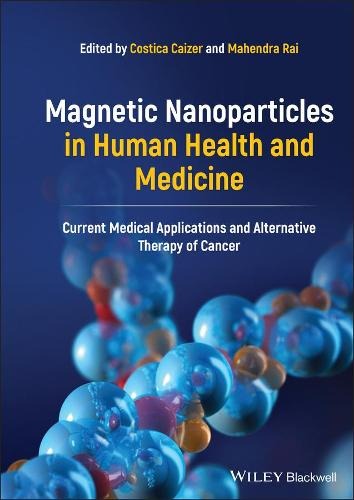
Progress in improving diagnosis by magnetic resonance imaging (MRI) and using non-invasive and non-toxic magnetic nanoparticles for targeted drug delivery. Focusing on cancer diagnosis and therapy, the book covers both fundamental principles and advanced theoretical and experimental research on the magnetic properties, biocompatibilization, biofunctionalization, and application of magnetic nanoparticles in nanobiotechnology and nanomedicine.
Learning the diagnostic elements of lung pathology requires not only great familiarity with a wide diversity of cases, but also a sharp eye for analyzing pictorial images. In Lung Pathology: A Consultative Atlas, leading experts offer a novel and substantive approach to the teaching of pulmonary pathology. Drawing on 263 challenging, yet exemplary, referral cases taken from files collected over 20 years by internationally renowned lung pathologist, Dr. Eugene Mark, the authors introduce his state-of-the-art approach to the interpretation of pulmonary pathology. This text includes the primary and/or differential diagnosis and the pertinent histological features of each case, as well as clinical history, when available. Key words or phrases in the text are highlighted and digitally hyperlinked to associated images or regions of interest within those images to assist the readers in their correlation. Novel and user friendly, Lung Pathology: A Consultative Atlas describes a cutting-edge diagnostic approach to pulmonary pathology, describing its principles and demonstrating its application in text and full-color illustrations drawn from 263 difficult cases of human lung pathologies.
parasitic and viral infections of the liver, autoimmune liver disease, alcoholic and nonalcoholic fatty liver diseases, and transplantation in an easy-to-read and thorough format. Authors also address the key issues that have arisen in this field in recent years, including physiological roles of hepatocytes, sinusoidal lining cells, activated macrophages (Kupffer cells), cholangiocytes and stellate cells, and their modulation of T cells, natural killer (NK) cells and NKT cells.
Liposuction began as a contouring procedure but has evolved into the treatment of obese patients, gynecomastia, ptosis, macromastia, and even patients who have complications from heart disease or diabetes. Other disorders such as axillary sweat hypersecretion, lipomas, and angiomas are also potential disorders that may be treated with liposuction.

Recognizes the critical roles of disturbance ecology, landscape ecology, ecological assembly, invasion biology, ecosystem health, and historical ecology in habitat restoration and argues that restoration within a successional context will best utilize the lessons from each of these disciplines.

Digestive tumors are among the most common malignant tumors and represent a major public health problem. This is one of the areas that has evolved the most in recent years in oncology due to significant progress in diagnostic strategies and therapeutic management. It seems essential that this progress be implemented in the daily practice of physicians treating these tumors. This book, the result of multidisciplinary work, provides a practical and up-to-date approach to the management of malignant digestive tumors. The first chapters are devoted to general and original subjects such as epidemiology, genetics, the management of elderly subjects. A second part approaches in a pragmatic and practical way the principles of diagnostic and therapeutic management by localization. A third part, devoted to the practical realization of chemotherapy, takes stock of new therapeutic approaches, oral or locoregional chemotherapy. Finally, the last part of the book is dedicated to digestive cancer emergencies and the palliative management of these tumors.
Help students navigate the complex discipline of biochemistry with a clear and coherent presentation. Renowned authors David Nelson, Michael Cox, and new co-author Aaron Hoskins have focused this eighth edition around the fundamental principles to help students understand and navigate the most important aspects of biochemistry. Text features and digital resources in the new Achieve platform emphasize this focus on the principles, while coverage of recent discoveries and the most up-to-date research provide fascinating context for learning the dynamic discipline of biochemistry.
Each year, cervical cancer kills approximately 1,000 people in France, making it the fifth leading cause of cancer death and the eighth most common cancer among women. While eradicating cervical cancer is not possible, a national screening campaign should significantly reduce its incidence. This campaign should be based, in particular, on the systematic use of Pap smears. Conventional Pap smears have already reduced the number of invasive cancers by more than 50%. Improving them requires optimizing their sensitivity. This book details the natural history of cervical cancer, its incidence and mortality, and the various aspects of screening: general principles, the French screening program, the different types of Pap smears, the role and contribution of the HPV test, the management of abnormal Pap smears, the role of colposcopy, and the follow-up of treated women. It is intended for all those involved in this screening : specialist interns and gynecologists, pathologists and biologists, public health physicians, but also general practitioners whose role in screening is privileged since they are at the forefront of medical demand.
Excellent Q & A and rationales for course exams and USMLE Step 1. With 1,000+ board-style questions/answers and fully up-to-date content, this is the most popular review in pharmacology. Organized to reflect the syllabi in pharmacology courses, Katzung & Trevor's Pharmacology Exam and Board Review covers all current drugs and retrovirals, immunologic agents, and chemotherapies. Each chapter begins with 20 pages of informative text, followed by questions and answers, and includes concise discussions of the concepts underlying basic principles or specific drug groups. Edited by the world leading figures in pharmacology and medicine, this high-yield text focuses on basic principles, autonomic drugs, cardiovascular-renal drugs, and drugs with actions on smooth muscle, central nervous system drugs, and drugs used to treat chemotherapeutic drugs, and toxicology.

The present volume documents and analyzes facial features in preparation for aesthetic surgery and orthodontic treatment. It takes a multidisciplinary approach, emphasizing the relationships between different parts of the face. At the end of each of the central chapters, the reader will find a multiple-choice checklist that will help him perform a step-by-step regional facial analysis.
Keeps students at the forefront of what continues to be one of the most rapidly advancing areas of laboratory medicine with clear explanations that balance analytic principles, techniques, and correlation of results with coverage of disease states. The book not only demonstrates the how of clinical testing, but also the what, why, and when of testing correlations to help students develop the knowledge and interpretive and analytic skills they'll need in their future careers.
Demonstrates the how of clinical testing, and also the what, why, and when of testing correlations to help students develop the knowledge and interpretive and analytic skills they'll need in their future careers
Clinical Chemistry considers what happens to the body’s chemistry when affected by disease. It provides introductory coverage of the scientific basis for biochemistry tests routinely used in medicine - including tests for the assessment of organ function, diagnosis and monitoring disease activity and therapy efficacy. Each topic area begins with a concise description of the underlying physiological and biochemical principles and then applies them to patient investigation and management. The regular use of case histories helps further emphasise clinical relevance and chapter key points, as well as provide a useful starting point for examination revision.
Helps you understand the principles of pharmacology and apply them to nursing practice. Known for its practical application of the nursing process to drugs and disorders, this book explains how to make informed decisions about drug therapy, educate patients, and administer medications. This edition adds new Next Generation NCLEX® (NGN)-style case studies and questions to prepare you for the critical thinking questions on the NGN exam. Concise and easy to use, this text teaches the basics of medication administration and drug actions.
Nanomaterials, which possess at least one dimension lower than 100 nanometers, are increasingly at the forefront of technological and chemical innovation. The properties of these uniquely minute materials give them distinctive applications across a huge range of industries and research fields. It is therefore critical that the next generation of engineers and materials scientists understand these materials, their chemical properties, and how they form bonds

سوريا - اتستراد درعا - غباغب
+963-15 2050 - 15 860 380 /1/2/3 - 11 662 3900