


تحسين النتائح
ترتيب حسب
من
الى


Deals with restorative cosmetology. This is understood through the eyes of the doctor specializing in phytotherapy. Three main aspects are discussed: the diagnosis of disturbance of the skin and integuments, external treatment with natural substances, as well as oral treatment (internal treatment). Oral cosmetology has no official recognition, yet the effects of plant extracts on the condition of the skin and integuments are well known. After an introduction to the physiology of the skin, the dosage and the phenomena of skin deterioration, the author discusses different types of treatment depending on the extracts used while explaining their mode of action. This work was written by a doctor, Doctor Paul Goetz, teacher in clinical phytotherapy, and a pharmacist, Doctor Christian Busser, pharmaceutical and scientific advisor, doctor in ethnology and ethnopharmacologist.
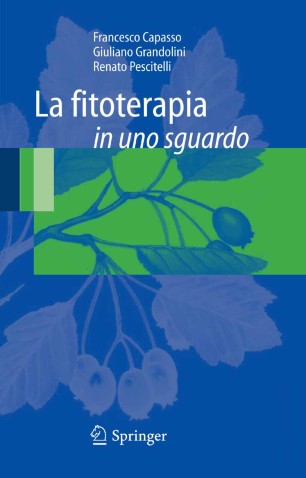
This volume summarizes notions of phytotherapy; the intent is to offer the doctor essential knowledge so that he can easily prescribe plant products and to stimulate the pharmacist and herbalist to use them in a more rational way.
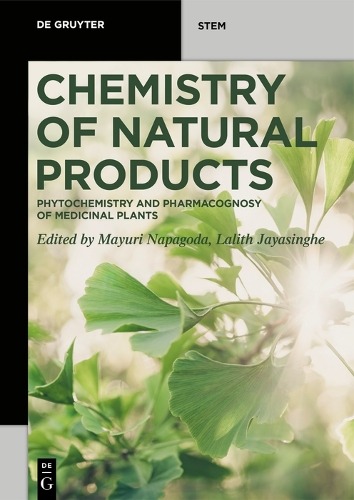
Plants produce secondary metabolites that humans harness for their own benefit. About half of drugs currently in clinical use are based on these chemicals found in nature. Chemistry of Natural Products covers secondary metabolites present in medicinal plants and their biosynthesis, biological activities, and isolation and separation techniques.
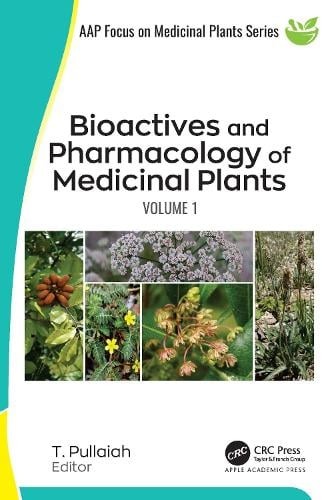
Bioctives and Pharmacology of Medicinal Plants, concisely presents an abundance of important information on the bioactive and pharmacological properties of medicinal plants. It provides valuable comprehensive research and studies on bioactive phytocompounds of over 68 important medicinal plants with beneficial properties. For each species included in the volume, a brief introduction is given along with their bioactive compounds and chemical structures, followed by their chief pharmacological activities that include antiviral, antimicrobial, antioxidant, anti-cancer, anti-inflammatory, antidiabetic, hepatoprotective, nephroprotective, and cardioprotective activities. A review of the published literature on pharmacological activities on each species is included also, providing a thorough resource on each of the plants covered in the volume.

سوريا - اتستراد درعا - غباغب
+963-15 2050 - 15 860 380 /1/2/3 - 11 662 3900