


تحسين النتائح
ترتيب حسب
من
الى

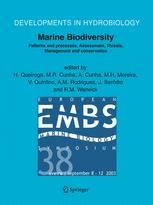
Understanding the functioning of Marine Ecosystems is the first step to measure and predict the influence of Man, and to find solutions for the enormous array of problems we face today. This volume is organised according to the four subthemes of the symposium and to issues commonly perceived as relevant by scientists concerned with the study, protection and management of Marine Biodiversity: patterns and processes, assessment, threats and management and conservation.
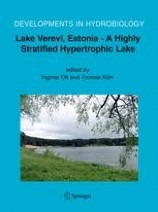
The present book summarises investigations on Lake Verevi (surface 12.6 ha, mean depth 3.6 m). The seventeen articles in this issue deal with a wide range of questions, starting with a holistic overview of the ecological status, over assessments of long-term changes in biotic and abiotic conditions and finishing with proposed restoration plans. Abiotic chapters provide calculations on water and mass balance, distribution and fractions of phosphorus in the sediment, optical properties and penetration of radiation in the water column, sedimentation rate during the formation of stratification, and nitrogen circulation characteristics.

There are many shallow lakes in the world. Many of them play an important socio-economic role as contributors to the drinking water supply, in flood attenuation, fisheries and recreation activities. Because of the current anthropogenic changes in the environment, such lakes rapidly respond to eutrophication and swamping. It is often hard to address these issues because many changes in the ecosystems of shallow lakes are associated with little studied physical processes. This interaction between the aquatic biota and the physical and chemical environment increases the complexity of shallow lake ecosystems. Lake Taihu, located in the delta of Yangtze River, is a typical large, shallow eutrophic lake with area of 2338 km2 and maximum depth of less than 3m . This book provides basic data on various aspects of this lake and summarizes research work on the interaction between its ecology and physical limnology. It will be a reference for teachers and students of freshwater ecology and biology, the aquatic environment in general, and, most strikingly, for all those interested in physical limnology.
This volume contains the lectures and seminars given at the NATO Advanced Study Institute on “Sensor Systems for Biological Threads: The Algal Toxins Case”, held in Pisa, Italy in October, 2007. Algae can form heavy growths in ponds, lakes, reservoirs and sl- moving rivers throughout the world; algae can house toxins which are - ually released into water when the cells rupture or die. Hundreds of toxins have been identified so far. Detection methods, including rapid screening, have been developed to help us learning more about them, especially to find out which toxins are a real threat for people and what conditions encourage their production and accumulation. Early detection of algal toxins is an - portant aspect for public safety and natural environment, and significant efforts are underway to develop effective and reliable tools that can be used for this purpose.
This volume contains the lectures and seminars given at the NATO Advanced Study Institute on “Sensor Systems for Biological Threads: The Algal Toxins Case”, held in Pisa, Italy in October, 2007. Algae can form heavy growths in ponds, lakes, reservoirs and sl- moving rivers throughout the world; algae can house toxins which are - ually released into water when the cells rupture or die. Hundreds of toxins have been identified so far. Detection methods, including rapid screening, have been developed to help us learning more about them, especially to find out which toxins are a real threat for people and what conditions encourage their production and accumulation. Early detection of algal toxins is an - portant aspect for public safety and natural environment, and significant efforts are underway to develop effective and reliable tools that can be used for this purpose.
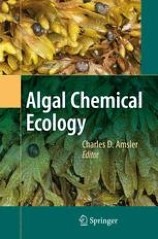
This is the first ever book devoted entirely to the chemical ecology of algae. Algae from both marine and freshwater habitats are covered, as are macroalgae (seaweeds) and microalgae (including phytoplankton). While its main emphasis is on the ecological rather than chemical aspects of the field, the book also includes a unique introductory chapter intended as a primer on algal natural products chemistry for ecologists. It elucidates the roles of chemical defenses in various regions and habitats, of DMSP, oxidative burst responses, and herbivore offense. Topics such as algal sensory chemical ecology and defenses against ultraviolet radiation are also treated, and an introduction to the chemical ecology of phytoplankton is provided.
Takes a fresh, holistic approach to the problems of light absorption and absorbers in seawaters, discussing the fundamentals of light absorption at various depths in seawaters of different trophicity by absorbers of diverse origin. The authors have drawn their information from a substantial body of contemporary research results published in the subject literature (over 700 references) as well as their own work during the last 30 years. No other book presently available examines the issues of light absorption and absorbers in seawaters in such a manner. The physical and chemical properties, as well as the optical constants, of organic and inorganic suspended particulate matter (SPM), are discussed in the context of their relationship to the light absorption properties of SPM. Special emphasis is placed on the role of the phytoplankton and the pigments it contains which are particularly strong and important absorbers of visible light in the sea.

سوريا - اتستراد درعا - غباغب
+963-15 2050 - 15 860 380 /1/2/3 - 11 662 3900