



الصفحة 1
الصفحة 1

Uranium, Mining and Hydrogeology
Subject of the book is Uranium and its migration in aquatic environments. The following subjects are emphasised: Uranium mining, Phosphate mining, mine closure and remediation, Uranium in groundwater and in bedrock, biogeochemistry of Uranium, environmental behavior, and modeling. Particular results from the leading edge of international research are presented.

Uranium in the Environment : Mining Impact and Consequences
Uranium is an element to be found ubiquitous in rock, soil, and water. Uranium concentrations in natural ground water can be more than several hundreds µg/l without impact from mining, nuclear industry, and fertilizers. Considering the WHO recommendation for drinking water of 15 µg/l (has been as low as 2 µg/l before) due to the chemical toxicity of uranium the element uranium has become an important issue in environmental research. Besides natural enrichment of uranium in aquifers uranium mining and milling activities, further uranium processing to nuclear fuel, emissions form burning coal and oil, and the application of uranium containing phosphate fertilizers may enrich the natural uranium concentrations in soil and water by far.

The Paraoxonases : Their Role in Disease Development and Xenobiotic Metabolism
Research into the paraoxonase (PON) multigene family has really only blossomed in the last 10 years. Before this time only PON1 was known and research was restricted to toxicologists investigating the metabolism of organophosphate insecticides and nerve gases and a few “mad” scientists searching for “natural” substrates. Since this time two new members PON2 and PON3 have been discovered, all 3 PONs have been shown to act as antioxidants and the PON family has taken centre stage as major players in the development of a wide variety of diseases such as cardiovascular disease, diabetes mellitus, rheumatism, Alzheimer and many more while remaining important in determining organophosphate toxicity.

Textile toxicity
Explores the toxicological implications of various chemicals commonly used in textile manufacturing, including trace elements, flame retardants, benzothiazoles/benzotriazoles, and formaldehyde. Trace elements such as chromium, lead, and antimony, commonly present in clothing, are associated with skin irritation, allergic reactions, systemic toxicity, and carcinogenicity. Flame retardants, particularly brominated and organophosphate types, are linked to endocrine disruption, reproductive toxicity, and developmental harm. Benzothiazoles and benzotriazoles are pervasive in textiles and can permeate the skin, disrupt hormones, and impair neurodevelopment, especially in male offspring during prenatal exposure.

Reviews of Physiology Biochemistry and Pharmacology
Reviews of Physiology, Biochemistry and Pharmacology Volume 160 2008 V. di Marzo: Endocannabinoids: Synthesis and Degradation R. Rivera and J. Chun: Biological Effects of Lysophospholipids S.J. O'Meara, K. Rodgers, and C. Godson: Lipoxins: Update and Impact of Endogenous Pro-Resolution Lipid Mediators R.K.P. Benninger, M. Hao, and D. Piston: Multi-photon Excitation Imaging of Dynamic Processes in Living Cells and Tissues G. Schmitz and M. Grandl: Lipid Homeostasis in Macrophages - Implications for Atherosclerosis.

Oxygen isotopes of inorganic phosphate in environmental samples : Purification and analysis
This book distinguished itself from other publications by offering step-by-step instructions on how to extract, purify, provide modifications, and major issues to be encountered during the process. For the δ18OP method to progress, further fundamental research as well as field and laboratory studies need to be conducted for a better understanding of P cycling in the environment.

Molecular Biology of the Parathyroid
Caintaining extracellular calcium concentrations within a narrow range is critical for the survival of most vertebrates. PTH, together with vitamin D, responds to hypocalcemia to increase extracellu M lar calcium levels, by acting on bone, kidney and intestine. The recent intro duction of PTH as a major therapeutic agent in osteoporosis has directed renewed interest in this important hormone and in the physiology of the parathyroid gland. The parathyroid is unique in that low serum calcium stimulates PTH secretion. As hypocalcemia persists, there is also an increase in PTH synthesis. Chronic hypocalcemia leads to hypertrophy and hyper plasia of the parathyroid gland together with increased production of the hormone. Phosphate is also a key modulator of PTH secretion, gene expres sion and parathyroid cell proliferation. Understanding the biology of the parathyroid as well as the mecha nisms of associated diseases has taken great strides in recent years. This book summarizes the molecular mechanisms involved in the function of the para thyroid gland. The first chapter reviews the development of the parathyroid gland and the genes involved in this process as identified using genetically manipulated mice. Then the biosynthetic pathway of PTH from gene ex pression to its intracellular processing and the sequences in the gene control ling its transcription as well as those regulating mRNA processing, stability and translation are described.

Mine Wastes : Characterization, Treatment and Environmental Impacts
Provides an overview of the accumulation of wastes at mine, including sulfidic mine wastes, mine water, tailings, cyanidation wastes of gold-silver ores, radioactive wastes of uranium ores, and wastes of phosphate and potash ores. This work presents crucial aspects of mine wastes as scientific issues.

Microbial Phosphate Solubilization
Last decade has seen a significantly increased knowledge about phosphate solubilizing microorganisms. Sixty specialists from thirteen countries met in Salamanca to discuss the problems of the high P-unavailability as a soil nutrient for crops, and the hazards of an increasing phosphate input to aquatic habitats from industrial and mining activities, sewage disposal, detergents, and other sources. Updated solutions to enhance P-uptake by plants, bioremediation potential in the rehabilitation of ecosystems, taxonomic characterization interactions with mycorrizae, the physiological and molecular basis of PSM, and possibilities of genetic modifications of rhizospheric microorganisms were among the contributions presented. Challenges in commercializing a phosphate solubilizing microorganism were also outlined by a relevant biotech company.

Innovative bioceramics in translational medicine II : Surgical applications
Highlights the latest advances in innovative bioceramics applied in the highly interdisciplinary area referred to as “translational medicine”. This volume predominantly written by surgeons in the fields of craniomaxillofacial, orthopedics, and spinal surgery, examines the translation of innovative bioceramics and bioceramics-based composite from the laboratory to a personalized surgical environment for the repair of damaged and diseased bone tissues.

Inhibitors of protein kinases and protein phosphates
The aims of this volume are to highlight the tremendous pharmacological potential of protein kinase and protein phosphatase inhibitors, to provide a thorough overview of the most remarkable achievements in the field and to illustrate how beneficial these studies can be for the advancement of both basic knowledge on biological regulation and deregulation and for the clinical treatment of a wide spectrum of diseases.

Glucose-6-phosphate dehydrogenase deficiency
Glucose-6-phosphate dehydrogenase deficiency, the most common enzyme deficiency worldwide, causes a spectrum of disease including neonatal hyperbilirubinemia, acute hemolysis, and chronic hemolysis. Persons with this condition also may be asymptomatic. This X-linked inherited disorder most commonly affects persons of African, Asian, Mediterranean, or MiddleEastern descent. Because acute hemolysis is caused by exposure to an oxidative stressor in the form of an infection, oxidative drug, or fava beans, treatment is geared toward avoidance of these and other stressors.

CO-ENZYME Q10
Coenzyme Q10 (CoQ10) is a fat-soluble compound that is synthesized by the body and can be obtained from the diet. Co-Q10 plays a central role in mitochondrial oxidative phosphorylation and the production of adenosine triphosphate (ATP). It also functions as an antioxidant in cell membranes and lipoproteins. Endogenous synthesis and dietary intake provide sufficient C0- Q10 to prevent deficiency in healthy people, although coenzyme Q10 concentrations in tissues decline with age. Oral supplementation of coenzyme Q10 increases coenzyme Q10 concentrations in plasma and lipoproteins. Oral high-dose co- Q10 is usually effective to treat mitochondrial disorders that are caused by mutations in coenzyme Q10 biosynthetic genes.

Jaundice
• Physiologic Anatomy Liver • HEMOGLOBIN FORMATION • Formation and Fate of Urobilinogen • Jaundice—Excess Bilirubin in the Extracellular Fluid • Hemolytic Jaundice Is Caused by Hemolysis of Red Blood Cells • Obstructive Jaundice Is Caused by Obstruction of Bile Ducts or Liver Disease • Diagnostic Differences Between Hemolytic and Obstructive Jaundice • Infant jaundice • Prolonged unconjugated hyperbilirubinemia associated with breast milk and mutations of the bilirubin uridine diphosphate-glucuronosyltransferase gene • Acute bilirubin encephalopathy • Hepatitis (A + B + C) • Immune system abnormaly • Jaundice in the adult
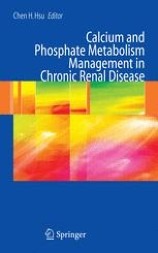
Calcium and Phosphate Metabolism Management in Chronic Renal Disease
Calcium and Phosphate Metabolism Management in Chronic Renal Diseases provides an overview of the state-of-the-art clinical and basic science aspects of abnormal calcium and phosphate metabolism and its management.

Bone disorders
• Bone is the specialized type of connective tissue that has extracellular matrix containing calcium salts. • As bone is a connective tissue, it consists of cells and matrix. • Mineralized extracellular matrix provides hardness to bones. • Bone is a living tissue that shows dynamic structural changes in response to physical stress and hormonal changes. • In addition to support and protection of vital organs, bones act as a storehouse for calcium and phosphates. • Bone also performs hematopoietic function (production of blood cells).
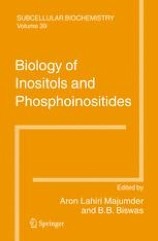
Biology of Inositols and Phosphoinositides
This volume describes the current status of the biology of inositols and phosphoinositides with an emphasis on the development in the area since the publication of volume 26 in 1996 in this series. The progress made in dissecting the genetics, structure and evolution of the seminal enzyme for synthesis of inositol in the biological system has driven the understanding of the enzyme forward. With the current genomic and proteomic tools in place the new role of inositols, inositol phosphates and phosphoinositides in cell signaling or stress response has been explored. These advances are described.
Apoptosis, cell signaling, and human diseases : Molecular mechanisms ; Vol.2
Volume 1 is divided into two sections: "Malignant Transformation and Metastasis" and "Molecular Basis of Disease Therapy." Volume 2 follows a similar structure and is divided into sections entitled "Kinases and Phosphate" and "Molecular Basis of Cell Death." All of the contributors are at the forefront of scientific discovery, and the reviews they present systemically examine the most exciting and innovative aspects of their particular areas of expertise. Researchers will find these volumes of major benefit as they search for novel and more effective treatments for human diseases.
Apoptosis, cell signaling, and human diseases : Molecular mechanisms ; Vol.1
Volume 1 is divided into two sections: “Malignant Transformation and Metastasis” and “Molecular Basis of Disease Therapy.” Volume 2 follows a similar structure and is divided into sections entitled “Kinases and Phosphate” and “Molecular Basis of Cell Death.” All of the contributors are at the forefront of scientific discovery, and the reviews they present systemically examine the most exciting and innovative aspects of their particular areas of expertise. Researchers will find these volumes of major benefit as they search for novel and more effective treatments for human diseases.

Antioxidants effects in health : The bright and the dark side ; 1st ed.
Examines the role that antioxidants play in a variety of health and disease situations. The book discusses antioxidants’ historical evolution, their oxidative stress, and contains a detailed approach of 1) endogenous antioxidants, including endogenous sources, mechanisms of action, beneficial and detrimental effects on health, in vitro evidence, animal studies and clinical studies; 2) synthetic antioxidants, including sources, chemistry, bioavailability, legal status, mechanisms of action, beneficial and detrimental effects on health, in vitro evidence, animal studies and clinical studies; and 3) natural antioxidants, including sources, chemistry, bioavailability, mechanisms of action, possible prooxidant activity; beneficial and detrimental effects on health, in vitro evidence, animal studies and clinical studies. Throughout the boo, the relationship of antioxidants with different beneficial and detrimental effects are examined, and the current controversies and future perspectives are addressed and explored. Antioxidants Effects in Health: The Bright and the Dark Side evaluates the current scientific evidence on antioxidant topics, focusing on endogenous antioxidants, naturally occurring antioxidants and synthetic antioxidants. It will be a helpful resource for pharmaceutical scientists, health professionals, those studying natural chemistry, phytochemistry, pharmacognosy, natural product synthesis, and experts in formulation of herbal and natural pharmaceuticals.
