



الصفحة 1
الصفحة 1

Therapeutic use of medicinal plants and their extracts ; Vol.2 : Phytochemistry and bioactive compounds
Starts with a general introduction to phytochemistry, followed by chapters on plant constituents, their origins and chemistry, but also discussing animal-, microorganism- and mineral-based drugs. Further chapters cover vitamins, food additives and excipients as well as xenobiotics and poisons. The book also explores the herbal approach to disease management and molecular pharmacognosy and introduces methods of qualitative and quantitative analysis of plant constituents. Phytochemicals are classified as primary (e.g. carbohydrates, lipids, amino acid derivations, etc.) or secondary (e.g. alkaloids, terpenes and terpenoids, phenolic compounds, glycosides, etc.) metabolites according to their metabolic route of origin, chemical structure and function. A wide variety of primary and secondary phytochemicals are present in medicinal plants, some of which are active phytomedicines and some of which are pharmaceutical excipients.

Sunscreen contain extract of Olive leaves
Sunburn is erythema and oedema from excessive exposure to the sun's rays, more specifically the ultraviolet (UV) radiation emitted from the sun. In addition, using chemical sunscreen may contribute to various health issues. To address this pressing issue, we aimed to assess public awareness of chemicals in sunscreen among Syrians using an online survey and to mitigate the negative effects of chemicals, we proposed an innovative formula of natural sunscreen made of olive leaf extract (OLE), which is rich in antioxidant and anti-inflammatory phenolic compounds...

Pomegranate peel pharmacological effect and germ killer
The growing scientific interest of pomegranate is due to the functional properties produced for its Phenolic compounds. The term “functional” is understood as the potentially positive effect of a food on health beyond basic nutrition. It contains hydrolysable tannins, condensed tannins, flavonols, anthocyanins, and phenolic and organic acids. Pomegranate, being rich in bioactive compounds like polyphenols, has shown many health-related properties, such as antioxidant, anti-inflammatory and antihypertensive, through in vivo and in vitro studies. Several studies have brought up the potential contribution of pomegranate in the treatment of cancer, diabetes and heart disease.

Phenolic Compound Biochemistry
This book is written for researchers, instructors, advanced undergraduate students and beginning graduate students in the life sciences who wish to become more familiar with these and many other intriguing aspects of phenolic compounds. Topics covered include nomenclature, chemical properties, biosynthesis, including an up-to-date overview of the genetics controlling phenolic metabolism, isolation and characterization of phenolic compounds, phenolics used in plant defense, and the impact of phenolics on human health. The book is written in an accessible style, and assumes only basic knowledge of organic chemistry, biochemistry and cell physiology. More than 300 chemical structures and reaction schemes illustrate the text.
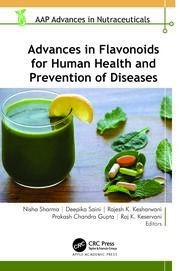
Advances in flavonoids for human health and prevention of diseases
In response to the recent upsurge of interest in the therapeutic potential of medicinal plants, with their promising phenolic compounds, this new book offers an important overview of advances in the applications of flavonoids for health. The book explores the nutritional and pharmacological properties of polyphenols and flavonoids, including their ability to prevent the start and development of diseases and how they aid in the management of several chronic pathological illnesses, including cancer, diabetes, cardiovascular disease, neuro-degenerative illness and aging, pregnancy-induced disorders, and others. Also discussed in depth are the properties, classes, and degrees that formulate a phenolic compound and which subsequently supports the development of drugs/products with health benefits.
