


تحسين النتائح
ترتيب حسب
من
الى


Explores alternative therapeutics, lantibiotics and other novel drugs. This book provides concrete information to readers regarding lantibiotics and various types of antimicrobial peptides with their mode of actions in treating various multidrug resistant organisms. It explains various techniques that are involved in analyzing antimicrobial peptides and their mode of actions. The development of antibiotic resistance has now reached a point of crisis where innovative methods and application of novel compounds and methods are required to prevent the spread of drug resistant infections.
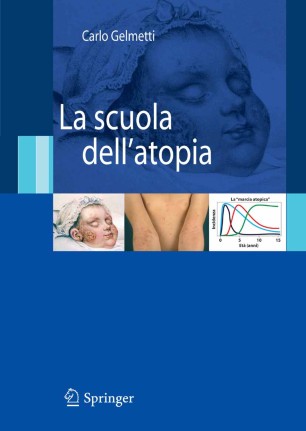
The need to clarify the current concepts of atopy, which for too long have oscillated between a primitive purely clinical vision and a subsequent purely immunological one, had been ripe for some time. Understanding that the role of immunoglobulins E is not exhaustive and accepting the Solomonic division between intrinsic and extrinsic atopy were the first two fundamental steps. Recent discoveries of the role of innate immunity, and therefore of antimicrobial peptides, have opened fundamental spaces for understanding in atopy and beyond. What now appears clear is that atopy is not the disease of an organ but rather a defect in the membranes that delimit our "self". The fact that these membranes are called skin, intestines, conjunctiva, bronchi or whatever has artificially fragmented the understanding and treatment of a unitary phenomenon. This book seeks to summarize the different experiences but above all to be a stimulus to ensure that medicine focuses constructively on the same target. If this is the case, we will no longer see "religious wars" between scientists and practicing doctors or, even worse, between the different specialists vying for the patient. If atopy, as we believe, is a global problem, it can only be adequately addressed in a multidisciplinary context and in a collaborative atmosphere, not only between doctor and doctor but also between doctor and patient.
Deals with different strategies of cancer vaccine development, focusing on techniques for the development of therapeutic cancer vaccines and the roles of tumor antigens, proteins/peptides, microbial genes, and stem cells for the development of vaccines for cancer management.

Presents reproducible and step-by-step procedures for the peptide synthesis, their characterization and applications. The volume includes an introductory section on in silico modelling of new peptide molecules, Molecular Dynamics Simulations, Docking, Electrostatic fingerprinting of peptides, and other modelling tools for peptide designing and optimization. Further, it covers protocols for the solid phase peptide synthesis, chromatographic and mass spectrometric characterization of peptides. Importantly, it covers methods for biophysical characterizations of peptides for their potential applications as drug delivery vehicles, peptide nano-assembly, bionanocatalysis, protein aggregation diseases, and peptide-based anti-bacterial.
Genome- and proteome-based research is generating a significant increase in the number of available drug targets. Correspondingly there is an increasing need for novel, diverse compounds, particularly based on natural compounds, as screening resource

The present volume gives a comprehensive overview on the current state of basic and clinical research on Anxiety and Anxiolytic Drugs. Using newly developed methods and techniques researchers are now beginning to understand the molecular mechanisms of anxiety, anxiety disorders and their treatment. In parallel, new drug targets have been generated and the first clinical studies with new compounds have been started. In 20 chapters written by numerous experts in the field comprehensive information on all relevant topics is provided.
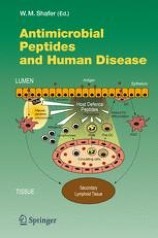
Microbes are in our midst soon after birth. Thankfully, the number of harmless (and often beneficial) microbes far outnumber those that would do us harm. Our ability to ward-off pathogens in our environment, including those that can colonize our exterior and/or interior surfaces, depends on the integrative action of the innate and adaptive immunity systems. This volume of CTMI, entitled Antimicrobial Peptides and Human Disease, is dedicated to the role of antimicrobial peptides (AMPs) in the innate host defense system of homo sapiens.
Active specific immunotherapy is a promising but investigational modality in the management of cancer patients. Currently, several different cancer vaccine formulations such as peptides, proteins, antigen-pulsed dendritic cells, whole tumor cells, etc. in combination with various adjuvants and carriers are being evaluated in clinical trials (1-3). To determine the optimal cancer
Provides a comprehensive review of the fundamental and practical aspects of bioanalytical support and the integral role it plays in the development of safe and efficacious biopharmaceutical drugs with speed and cost-effectiveness. Focuses on a broad range of conventional and emerging biopharmaceutical modalities including monoclonal antibody-based therapeutics, gene therapy, cell therapy, peptides and oligonucleotides.
Amino Acids Biosynthesis presents the current knowledge of fundamental as well as applied microbiology of amino acids. Topics discussed are the amino acid biosynthetic pathways, their genetic and biochemical regulation, transport of amino acids and genomics of producing microorganisms. The characterization of the control mechanisms of amino acid biosynthesis has revealed insights into principles of genetic and biochemical regulation, such as transcriptional regulators and a new class of regulatory elements, the riboswitch. The volume further deals with the metabolic engineering of microorganisms for the biotechnological production of amino acids for use as pharmaceuticals and, particularly, as food and feed additives.
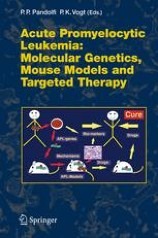
Over the past 10 years, work on acute promyelocytic leukemia (APL) has become the paradigm of translational research that began with the discovery of a recurrent chromosomal translocation, followed by the identification of the genes and proteins involved, finding their molecular functions in transcriptional control, establishing mouse models and culminating in the development of targeted therapy.
this book is presenting a review of basic proteomic techniques. The second part of the book is related to the novel high throughput protein identification technique called the 'molecular scanner'
Specifically covered are the following aspects: exposure from the environment and the diet; biomarkers of exposure; risk assessment; epidemiology; mechanism of formation in food; biological alkylation of amino acids, peptides, proteins, and DNA by acrylamide and its epoxide metabolite glycidamide; neurotoxicity, reproductive toxicity, and carcinogenicity; protection against adverse effects; and possible approaches to reducing levels in food. Cross-fertilization of ideas among several disciplines in which an interest in acrylamide has developed, including food science, pharmacology, toxicology, and medicine, will provide a better understanding of the chemistry and biology of acrylamide in food, and can lead to the development of food processes to decrease the acrylamide content of the diet.
Bioactive Marine Natural Products is the first book available that covers all aspects of bioactive marine natural products. It fills the void in the literature for bioactive marine natural products. The book covers various aspects of marine natural products and it is hoped that all the major classes of bioactive compounds are included. Different classes of marine organisms and the separation and isolation techniques are discussed. The chemistry and biology of marine toxins, peptides, alkaloids, nucleosides and prostanoids are discussed in detail. Biological, toxicological and clinical evaluations are also dealt with to ensure that the book may be adopted at any stage by any practicing organic chemist or biologist, working in academia or in R&D divisions of pharmaceutical companies. Each chapter in the book includes an abstract to highlight the major points discussed in the text and concluding remarks are given. References to books, monographs, review articles and original papers are provided at the end of each chapter.

سوريا - اتستراد درعا - غباغب
+963-15 2050 - 15 860 380 /1/2/3 - 11 662 3900