تحسين النتائح
ترتيب حسب
من
الى



الكليات في الجامعة العربية الدولية
الخدمات الطلابية والأكاديمية


The preparations for market entry in a foreign country include various aspects and are influenced by factors inside and outside the firm. Based on face to face interviews with decision makers of 16 German firms Michael Klug analyses the applied strategy and the motivation for market entry and investigates different strategy theories like Porter's market based view for their suitability to explain the firms' strategy abroad. The author discusses the operational design including forms of market presence and marketing mix to realise a chosen strategy and shows the influence of the European Union as an institutional arrangement for firms preparing a venture abroad.
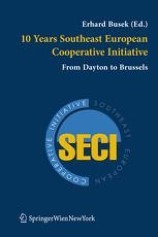
The Southeast European Cooperative Initiative (SECI) was the first international instrument for "peace keeping and peace making". Conceived by the United States with full partnership and participation of the European Union, SECI was a response to the Dayton Agreement. SECI was convinced that sending troops and diplomats did not suffice. It called for a new strategy and approach that would promote economic and social development through regional cooperation. SECI understood that despite their differences, the countries of South East Europe shared many mutual concerns. For the international community, SECI was a prelude to a broader instrument - the Stability Pact for South Eastern Europe, launched in 1999. The approach was a success! This compendium of documents, agreements, analyses and essays gives a glimpse into decision-making processes and results achieved.
